Pharmacists Take Lead Role in Lp(a) Testing, Cardiovascular Prevention

Pharmacists are emerging as critical frontline providers in cardiovascular disease prevention, with leading lipidology experts now emphasizing their unique position to prompt once-in-a-lifetime lipoprotein(a) testing and address common barriers to cholesterol management. According to recent guidance from the National Lipid Association, community pharmacists represent an underutilized resource in identifying at-risk patients and optimizing lipid-lowering therapy outcomes.
The Lp(a) Testing Opportunity
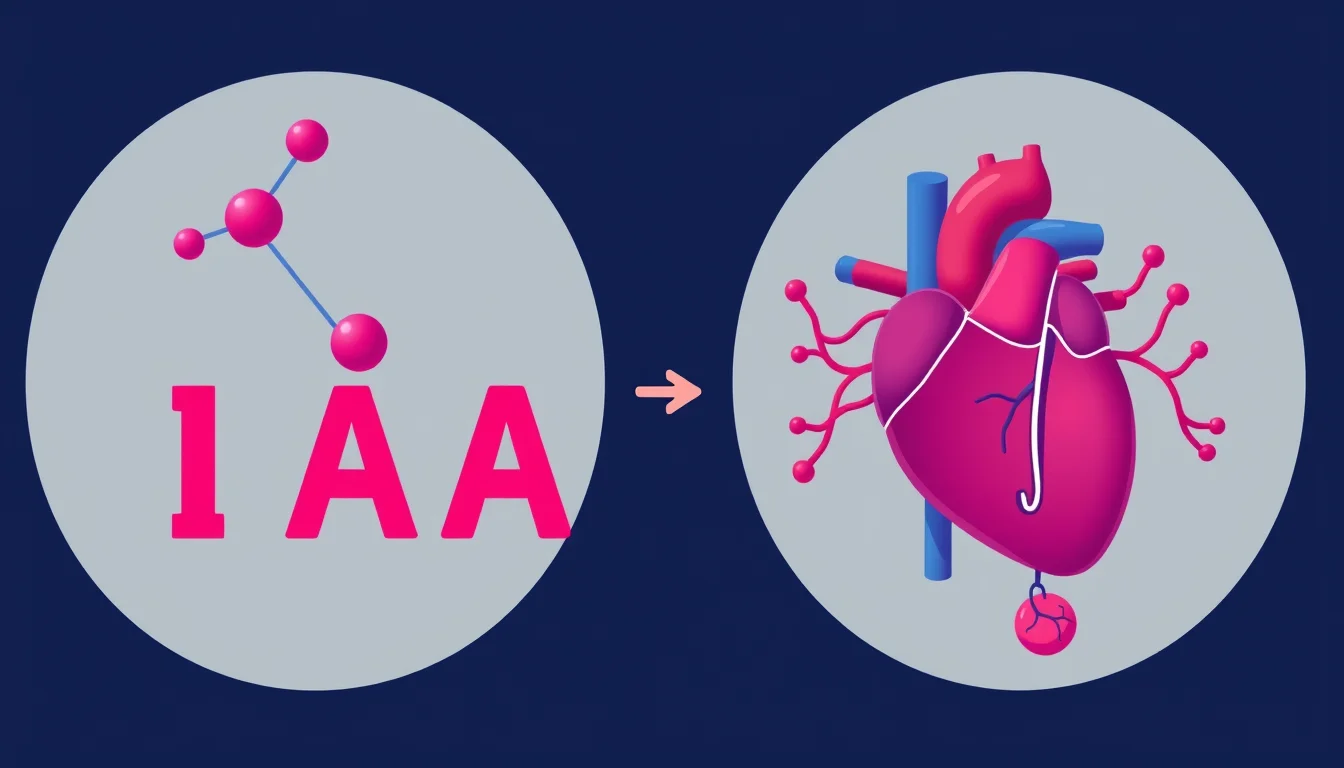
Lipoprotein(a), or Lp(a), represents a genetically determined cardiovascular risk factor that affects approximately 20% of the global population. Unlike traditional cholesterol markers that fluctuate with diet and lifestyle, Lp(a) levels remain relatively constant throughout life, making a single screening test sufficient for lifetime risk assessment. Despite its clinical significance, Lp(a) testing rates remain surprisingly low in routine practice.
The National Lipid Association president emphasized that pharmacists encounter patients regularly during prescription fills and routine consultations, creating natural opportunities to identify individuals who may benefit from Lp(a) screening. Patients with personal or family history of premature cardiovascular disease, recurrent events despite optimal LDL cholesterol control, or certain ethnic backgrounds at higher risk represent prime candidates for testing.
Key patient populations for Lp(a) screening include:
- Individuals with family history of premature heart disease (before age 55 in men, 65 in women)
- Patients with recurrent cardiovascular events despite statin therapy
- Those with calcific aortic valve stenosis
- Patients of South Asian, African, or Caribbean descent
- Anyone with personal history of atherosclerotic cardiovascular disease
Pharmacists can initiate conversations about Lp(a) testing during medication therapy management sessions, collaborate with prescribers through collaborative practice agreements, or directly order tests where state scope of practice allows. This proactive approach addresses a significant gap in preventive cardiology care that has persisted despite growing evidence of Lp(a)'s role in cardiovascular risk.
Addressing the Statin Adherence Challenge
Beyond identifying new risk factors, pharmacists play an essential role in optimizing existing lipid-lowering therapy. Statin non-adherence represents a persistent challenge in cardiovascular prevention, with studies indicating that 30-50% of patients discontinue therapy within one year of initiation. Muscle-related complaints rank among the most common reasons for statin discontinuation, yet research suggests that true statin-associated muscle symptoms occur in only 5-10% of patients reporting such issues.
Industry analysts note that pharmacists are uniquely positioned to contextualize muscle aches and distinguish between true statin-related myopathy and nocebo effects or symptoms unrelated to therapy. Through patient counseling, pharmacists can explain that muscle discomfort is common in the general population, discuss proper assessment of symptoms, and explore strategies such as dosing adjustments, alternative statins, or supplementation approaches that may improve tolerance.
The expanded clinical role reflects broader trends in pharmacy practice, where medication experts increasingly contribute to disease state management beyond traditional dispensing functions. For cardiovascular prevention specifically, pharmacists bring medication expertise, accessibility, and ongoing patient relationships that complement physician care. Patients can also verify supplement and medication interactions through comprehensive screening tools before adding new therapies to their regimen.
Clinical and Economic Implications
The shift toward pharmacist-driven cardiovascular risk management carries significant implications for both patient outcomes and healthcare economics. Early identification of elevated Lp(a) allows for more aggressive management of modifiable risk factors, closer monitoring, and consideration of emerging Lp(a)-lowering therapies currently in development. Multiple pharmaceutical companies are advancing RNA-based treatments targeting Lp(a) production, with late-stage clinical trials expected to report results within the next two years.
From an access perspective, pharmacists represent highly accessible healthcare providers, with over 90% of Americans living within five miles of a community pharmacy. This proximity, combined with extended hours and no-appointment-necessary access, positions pharmacies as ideal settings for preventive health screening and chronic disease management support.
Looking Ahead: Integration and Education
Realizing the full potential of pharmacist involvement in cardiovascular prevention requires continued evolution in several areas. State scope of practice regulations vary considerably, with some states granting pharmacists broad authority to order laboratory tests and initiate or modify drug therapy under collaborative agreements, while others maintain more restrictive frameworks. Professional organizations continue advocating for expanded practice authorities that recognize pharmacists' clinical training and patient care contributions.
Education represents another critical component. While pharmacy school curricula address cardiovascular disease management, specific training on Lp(a) biology, testing interpretation, and counseling strategies may require targeted continuing education. The National Lipid Association and other professional groups are developing resources to support pharmacist competency in advanced lipid management.
Healthcare system integration also remains essential. Effective pharmacist involvement requires communication pathways with prescribers, access to patient medical records, and mechanisms for coordinating care. Value-based payment models that recognize pharmacist clinical services, rather than solely product dispensing, will likely accelerate adoption of these preventive care activities.
As cardiovascular disease continues to represent the leading cause of mortality globally, leveraging all available healthcare resources becomes increasingly important. Pharmacists' unique combination of accessibility, medication expertise, and patient relationships positions them as valuable partners in closing gaps in cardiovascular risk assessment and optimizing preventive therapy. The emphasis on once-in-a-lifetime Lp(a) screening and statin adherence support represents just the beginning of pharmacists' expanding role in comprehensive cardiovascular care.
Check Your Supplement Interactions
Use our AI-powered checker to analyze supplement safety and interactions.
Open Interaction Checker →Comments (0)
This article is for informational purposes only and does not constitute medical or investment advice. Content is generated with AI assistance and reviewed for accuracy.