Pharmaceutical Fine Chemicals Market Surges to $179.87B in 2026
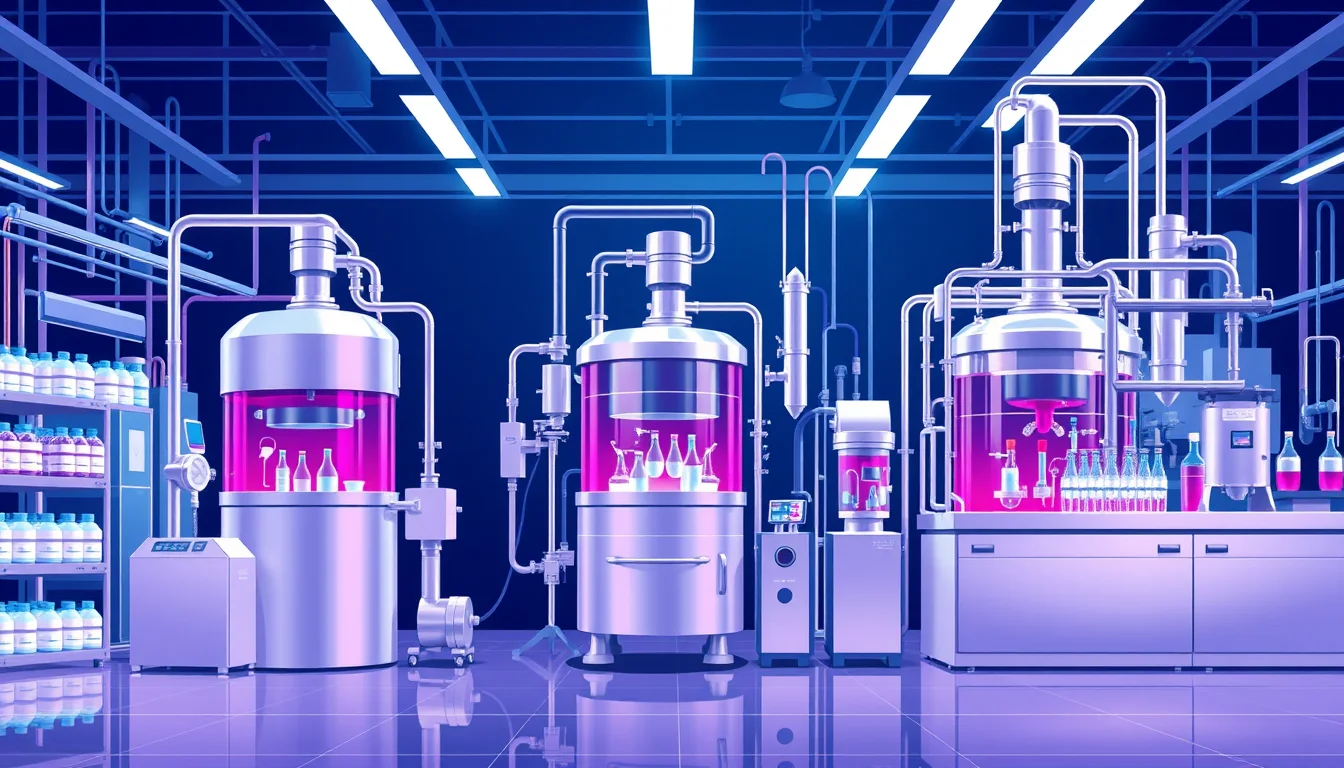
The pharmaceutical fine chemicals market is experiencing a significant expansion, with industry analysts projecting the sector to reach $179.87 billion in 2026, up from $164.85 billion in 2025. This $15 billion year-over-year increase represents approximately 9% growth and underscores the accelerating demand for high-purity chemical intermediates that serve as essential building blocks in modern drug manufacturing.
The surge reflects broader momentum across pharmaceutical manufacturing sectors, driven by increased production of biologics, specialty medications, and active pharmaceutical ingredients (APIs). As global pharmaceutical companies scale up production to meet rising healthcare demands, the fine chemicals sector—which supplies critical raw materials and intermediates—is experiencing corresponding growth.
What Are Pharmaceutical Fine Chemicals?
Pharmaceutical fine chemicals are high-purity chemical compounds used as starting materials or intermediates in the synthesis of active pharmaceutical ingredients. Unlike commodity chemicals, these specialized substances must meet stringent quality standards and regulatory requirements established by organizations including the FDA and EMA.
The category encompasses several key product segments:
- Advanced intermediates used in multi-step synthesis of complex drug molecules
- Building blocks that form the foundation of API production
- Specialty reagents required for specific pharmaceutical reactions
- High-purity solvents and catalysts meeting pharmaceutical-grade specifications
These materials play an invisible but critical role in ensuring drug quality, efficacy, and safety. Manufacturers looking to verify supplement quality and pharmaceutical-grade standards can explore tools like the PharmoniQ Supplement Checker to understand how rigorous quality requirements translate to finished products.
Driving Forces Behind Market Expansion
Multiple factors are converging to accelerate growth in the pharmaceutical fine chemicals sector. The ongoing expansion of biopharmaceutical production has created heightened demand for specialized chemical intermediates required in biologics manufacturing. Additionally, the pharmaceutical industry's shift toward more complex molecular entities—including targeted therapies and precision medicines—requires increasingly sophisticated chemical building blocks.
Contract manufacturing organizations (CMOs) and contract development and manufacturing organizations (CDMOs) are experiencing particularly strong growth, with many pharmaceutical companies opting to outsource fine chemical production to specialized suppliers. This trend allows drug manufacturers to focus on core competencies while accessing specialized chemical synthesis expertise and production capacity.
Geographic expansion of pharmaceutical manufacturing, particularly in emerging markets across Asia-Pacific regions, is also contributing to increased fine chemicals demand. Countries including India, China, and South Korea have substantially expanded their pharmaceutical manufacturing infrastructure, creating new demand centers for high-quality chemical intermediates.
Industry Response and Capacity Expansion
According to industry analysts, leading fine chemicals manufacturers are responding to demand growth with significant capacity expansion investments. Several major suppliers have announced plans to build new production facilities or expand existing plants, with particular focus on capabilities for synthesizing complex molecules and meeting increasingly stringent regulatory requirements.
The competitive landscape is evolving as well, with traditional chemical companies expanding pharmaceutical-grade production capabilities while specialized fine chemicals producers invest in advanced synthesis technologies. Companies are particularly focused on developing expertise in areas including:
- Continuous flow chemistry for improved efficiency and quality control
- Green chemistry approaches reducing environmental impact
- Advanced purification technologies ensuring pharmaceutical-grade quality
- Analytical capabilities supporting regulatory compliance
Quality assurance remains paramount, as pharmaceutical fine chemicals must meet exacting specifications to ensure drug safety and efficacy. Industry observers note that manufacturers investing in robust quality systems and regulatory expertise are best positioned to capture growing market opportunities.
Looking Ahead: Sustained Growth Trajectory
The $15 billion single-year increase signals strong momentum that analysts expect to continue beyond 2026. Several long-term trends suggest sustained growth potential for the pharmaceutical fine chemicals market.
The ongoing development of novel therapeutic modalities—including cell and gene therapies, antibody-drug conjugates, and RNA-based medicines—will require increasingly specialized chemical intermediates. As these advanced therapies move from clinical development to commercial production, demand for supporting fine chemicals is expected to expand accordingly.
Additionally, pharmaceutical companies are increasingly prioritizing supply chain resilience following recent global disruptions. This focus is driving diversification of fine chemical sourcing and expansion of production capacity across multiple geographic regions, creating opportunities for established and emerging suppliers alike.
For pharmaceutical companies and supplement manufacturers, the robust fine chemicals market reflects the industry's overall health and growth trajectory. Those interested in understanding how pharmaceutical-grade standards impact supplement quality can explore detailed ingredient information across various categories, from Vitamin D to specialized formulations.
As the pharmaceutical industry continues advancing toward more sophisticated therapies and personalized medicines, the fine chemicals sector that enables this innovation appears positioned for sustained long-term expansion well beyond the current growth cycle.

Check Your Supplement Interactions
Use our AI-powered checker to analyze supplement safety and interactions.
Open Interaction Checker →Comments (0)
This article is for informational purposes only and does not constitute medical or investment advice. Content is generated with AI assistance and reviewed for accuracy.