Pharma 5.0 Market Set to Hit $59B by 2035 Amid Digital Revolution
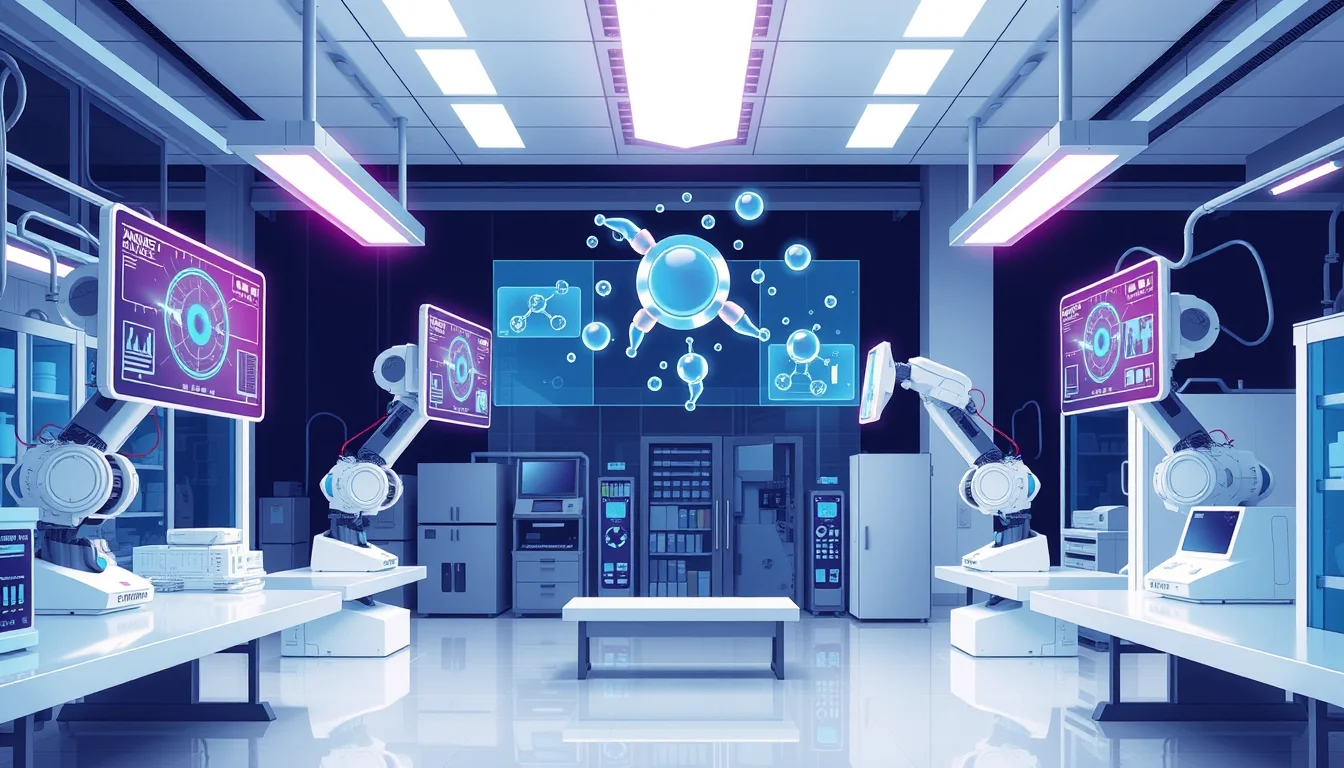
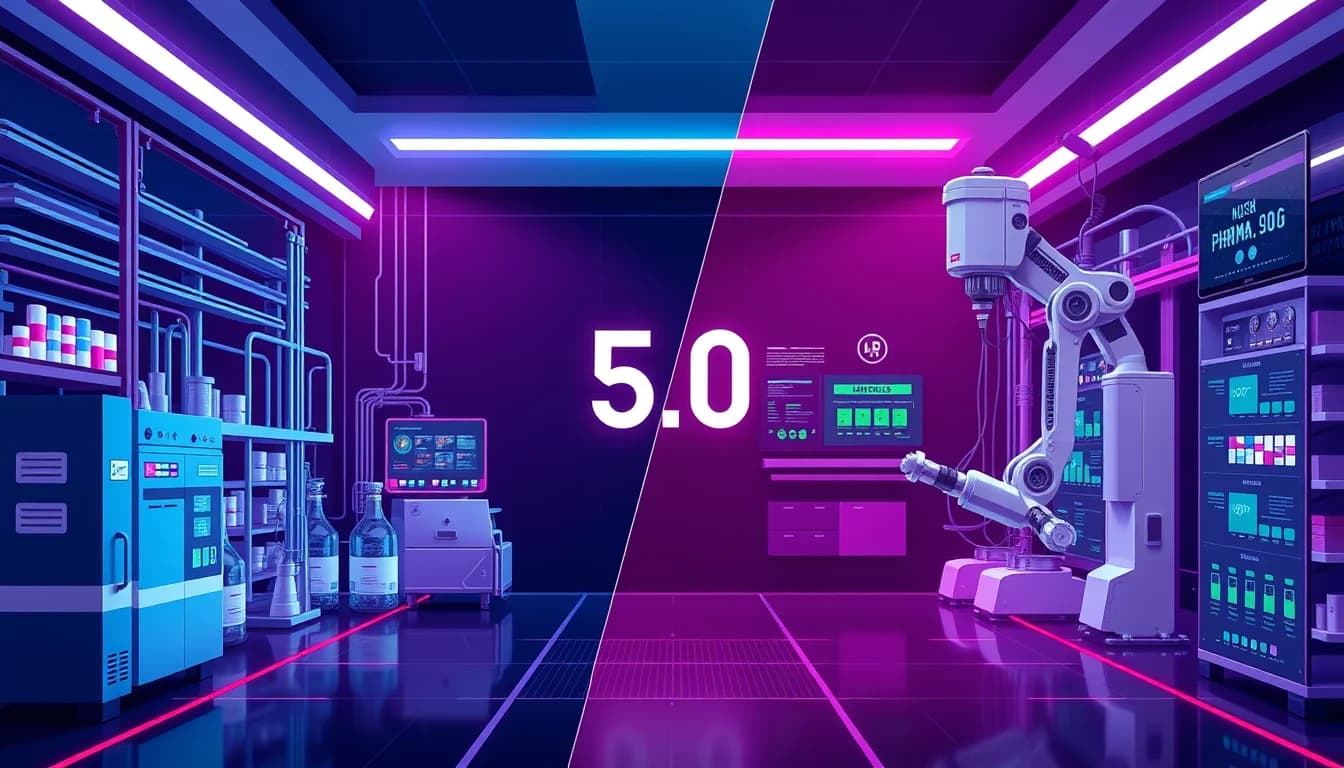
The pharmaceutical industry stands at the threshold of its most significant technological transformation yet, with the emerging Pharma 5.0 market projected to surge from $9.83 billion in 2026 to $59.14 billion by 2035, according to recent market analyses. This robust compound annual growth rate of 22.07% reflects an industry-wide pivot toward advanced digital technologies, artificial intelligence, and personalized healthcare delivery systems that promise to fundamentally reshape drug development and manufacturing.
Understanding the Pharma 5.0 Paradigm Shift
Pharma 5.0 represents the fifth generation of pharmaceutical manufacturing and development, building upon previous industrial revolutions. Unlike earlier phases focused primarily on mechanization, mass production, and basic automation, Pharma 5.0 integrates cutting-edge technologies to create intelligent, adaptive systems. This new paradigm encompasses artificial intelligence for drug discovery, machine learning algorithms for clinical trial optimization, advanced robotics for precision manufacturing, and real-time data analytics for supply chain management.
The transformation extends beyond factory floors to fundamentally alter how pharmaceutical companies approach patient care. Industry analysts note that Pharma 5.0 emphasizes patient-centricity through personalized medicine, utilizing genomic data and biomarker analysis to tailor treatments to individual patients. This shift represents a departure from the traditional one-size-fits-all approach that has dominated pharmaceutical development for decades.
Key Drivers Fueling Market Expansion
Several converging factors are propelling the Pharma 5.0 market's remarkable growth trajectory:
- AI-Powered Drug Discovery: Machine learning algorithms can now analyze millions of molecular compounds in days rather than years, dramatically reducing development timelines and costs
- Regulatory Modernization: Health authorities worldwide are establishing frameworks to accommodate advanced manufacturing technologies and digital therapeutic approaches
- Patient Data Availability: The proliferation of electronic health records, wearable devices, and genomic databases provides unprecedented insights for personalized treatment development
- Manufacturing Efficiency Demands: Pressure to reduce costs while maintaining quality drives adoption of automation and predictive maintenance systems
- Pandemic Lessons: Recent global health challenges highlighted the need for agile, resilient pharmaceutical supply chains capable of rapid adaptation
Pharmaceutical companies are increasingly recognizing that digital transformation is no longer optional but essential for remaining competitive. Major industry players have announced multi-billion dollar investments in AI research platforms, automated production facilities, and digital health initiatives. These commitments signal confidence that Pharma 5.0 technologies will deliver tangible returns through accelerated development cycles, improved success rates, and enhanced patient outcomes.
Industry Applications and Real-World Impact
The practical applications of Pharma 5.0 technologies are already emerging across the pharmaceutical value chain. In research and development, AI systems are identifying promising drug candidates for complex conditions that previously eluded traditional discovery methods. Automated high-throughput screening platforms can test thousands of compounds simultaneously, while predictive modeling reduces the failure rate in clinical trials.
Manufacturing operations are being revolutionized through continuous production systems that replace traditional batch processing, enabling real-time quality control and reducing waste. Smart factories equipped with Internet of Things sensors provide complete visibility into every stage of production, ensuring compliance and enabling rapid response to quality deviations.
For consumers researching pharmaceutical products and checking supplement ingredients, these technological advances mean greater transparency and safety. Advanced tracking systems can trace every component from raw material sourcing through final product delivery, providing unprecedented accountability. Patients can access detailed information about their medications, including personalized dosing recommendations based on their genetic profiles and health data.
Challenges and the Path Forward
Despite the promising outlook, the transition to Pharma 5.0 faces significant hurdles. Implementation costs remain substantial, potentially creating competitive disparities between large multinational corporations and smaller pharmaceutical companies. Data privacy concerns must be addressed as the industry becomes increasingly reliant on patient health information. Additionally, regulatory frameworks continue evolving to keep pace with technological innovation, creating uncertainty around approval pathways for AI-developed drugs and digitally manufactured products.
Workforce transformation presents another challenge, as pharmaceutical professionals must acquire new skills in data science, AI interpretation, and advanced manufacturing technologies. Industry observers note that successful Pharma 5.0 adoption will require substantial investment in training and organizational change management.
What This Means for the Industry
The projected growth of the Pharma 5.0 market to nearly $60 billion by 2035 signals a fundamental restructuring of the pharmaceutical industry. Companies that successfully integrate these technologies will likely gain significant competitive advantages through faster development cycles, lower production costs, and superior patient outcomes. The shift toward personalized medicine enabled by Pharma 5.0 could finally deliver on the long-promised vision of truly individualized healthcare.
For patients and healthcare providers, this evolution promises more effective treatments with fewer side effects, delivered more quickly and affordably. As the industry continues this digital transformation, staying informed about supplement interactions and pharmaceutical developments becomes increasingly important for making educated healthcare decisions in this new technological landscape.
Check Your Supplement Interactions
Use our AI-powered checker to analyze supplement safety and interactions.
Open Interaction Checker →Comments (0)
This article is for informational purposes only and does not constitute medical or investment advice. Content is generated with AI assistance and reviewed for accuracy.