Novo Nordisk Partners with Anthropic to Deploy AI in Drug Discovery

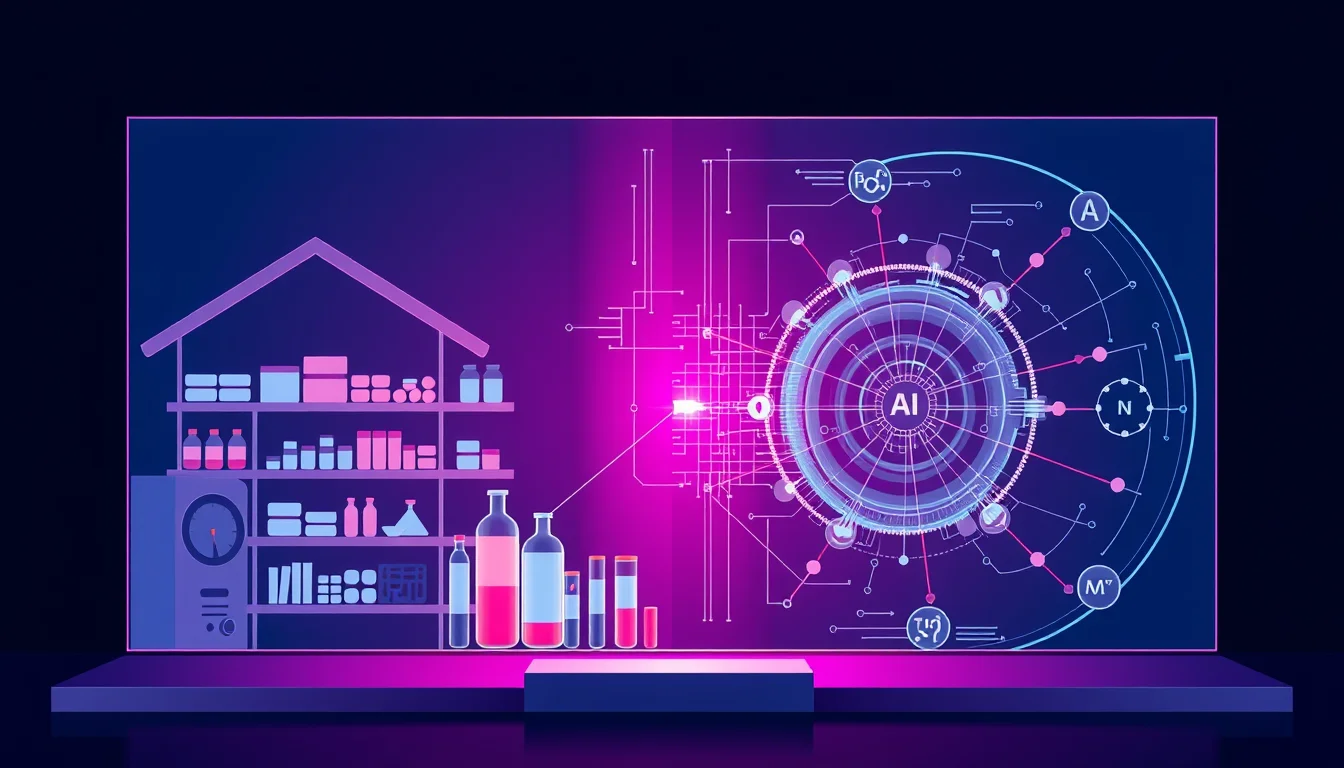
Novo Nordisk has announced a strategic partnership with Anthropic, the AI research company behind Claude, to integrate advanced artificial intelligence capabilities into its drug discovery operations. The collaboration represents one of the pharmaceutical industry's most significant investments in generative AI technology to date, moving beyond traditional computational modeling into next-generation machine learning applications.
The partnership positions Novo Nordisk at the forefront of an industry-wide transformation, as major pharmaceutical companies increasingly turn to artificial intelligence to address the time-intensive and costly nature of drug development. According to industry analysts, the traditional drug discovery process can take 10-15 years and cost upward of $2.6 billion per approved therapy—figures that AI integration aims to substantially reduce.
Strategic Implications for Pharmaceutical Development
The collaboration will focus on deploying Claude's advanced language models and reasoning capabilities across multiple stages of the drug discovery pipeline. Unlike earlier AI applications in pharma that primarily handled computational chemistry and molecular modeling, this partnership explores how generative AI can assist with literature review, hypothesis generation, experimental design, and data interpretation.
Key areas of focus include:
- Target identification and validation: Using AI to analyze vast biomedical datasets and identify promising therapeutic targets for conditions including diabetes, obesity, and rare diseases
- Molecular design optimization: Accelerating the process of designing drug candidates with optimal properties for safety and efficacy
- Clinical trial design: Improving patient selection criteria and endpoint definitions to increase trial success rates
- Regulatory documentation: Streamlining the preparation of complex submission materials for health authorities
Industry observers note that Novo Nordisk's therapeutic focus areas—particularly metabolic diseases and obesity treatments—generate enormous volumes of clinical and genomic data, making them particularly well-suited for AI-driven analysis. The company's recent success with GLP-1 receptor agonists has provided both the financial resources and strategic motivation to invest heavily in next-generation discovery platforms.
Broader Industry Trend Toward AI Integration
This announcement follows a series of similar partnerships across the pharmaceutical sector. Major companies including Pfizer, Sanofi, and AstraZeneca have all announced significant AI initiatives over the past 18 months. However, the Novo Nordisk-Anthropic collaboration is notable for its focus on generative AI rather than traditional machine learning approaches.
"We're seeing a fundamental shift in how pharmaceutical companies approach innovation," noted pharmaceutical industry analysts. "Where early AI applications focused on narrow computational tasks, these new partnerships explore how large language models can augment human expertise across the entire research process."
The timing is particularly relevant for supplement and pharmaceutical consumers who increasingly rely on evidence-based information about product safety and efficacy. As AI tools accelerate drug discovery, they may also enhance the ability of regulators and independent platforms like PharmoniQ's Supplement Checker to rapidly assess new products entering the market and identify potential safety concerns before they affect patients.
Technical Capabilities and Implementation Timeline
Anthropic's Claude AI offers several technical capabilities that distinguish it from other large language models, including extended context windows that can process lengthy scientific documents, advanced reasoning capabilities for complex multi-step problems, and built-in safety features that reduce the risk of generating misleading or harmful outputs—particularly important in a regulated industry like pharmaceuticals.
While specific financial terms were not disclosed, industry sources suggest the partnership involves both direct licensing of Anthropic's technology and collaborative development of pharmaceutical-specific AI applications. Novo Nordisk has indicated that initial implementations will focus on internal research processes, with potential expansion to clinical development and regulatory affairs pending successful validation.
Looking Ahead: Impact on Drug Development Timelines
The pharmaceutical industry faces mounting pressure to accelerate innovation while controlling costs. According to recent data, the average time from target identification to FDA approval has remained stubbornly high despite advances in molecular biology and clinical trial design. AI integration represents one of the most promising approaches to meaningfully compress these timelines.
For patients and healthcare providers, successful AI-driven drug discovery could translate into faster access to novel therapies, particularly for rare diseases and conditions with limited treatment options. The technology may also improve the success rate of clinical trials by enabling better patient selection and more precise endpoint measurement.
However, industry experts caution that regulatory frameworks will need to evolve to accommodate AI-generated insights in drug submissions. The FDA and other regulatory bodies are actively developing guidance on the use of AI in pharmaceutical development, but questions remain about validation requirements and the appropriate level of human oversight.
As this partnership unfolds, it will likely serve as a test case for how effectively generative AI can be integrated into highly regulated, high-stakes pharmaceutical research—with implications extending far beyond Novo Nordisk to shape the future of the entire industry.
Check Your Supplement Interactions
Use our AI-powered checker to analyze supplement safety and interactions.
Open Interaction Checker →Comments (0)
This article is for informational purposes only and does not constitute medical or investment advice. Content is generated with AI assistance and reviewed for accuracy.