FDA Confirms Widespread Drug Contamination in Dietary Supplements
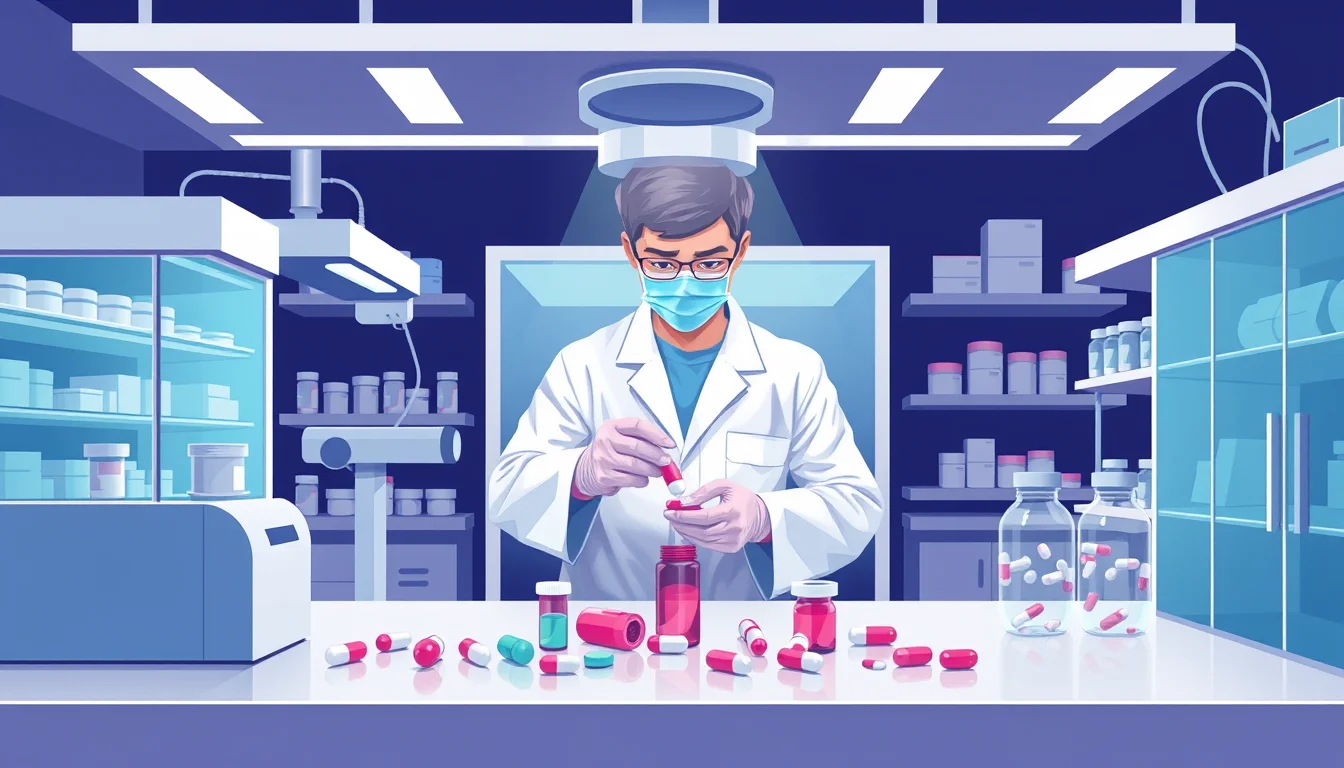
Federal regulators have confirmed what many industry observers have long suspected: a significant portion of dietary supplements sold in the United States contain undisclosed prescription pharmaceuticals, banned substances, and potentially dangerous levels of heavy metals. The findings, which combine recent FDA enforcement actions with comprehensive Harvard Medical School research, underscore the persistent safety challenges facing the largely unregulated supplement industry.
Contamination Widespread Across Multiple Product Categories
The FDA's latest analysis specifically identified tejocote root supplements—marketed for weight loss—as containing adulterants including prescription drug compounds and heavy metal contaminants. These products, which have gained popularity through social media marketing, represent just one segment of a broader contamination problem affecting the $50 billion supplement industry.
Concurrent research from Harvard Medical School researchers examined hundreds of dietary supplement products available through retail and online channels. The investigation revealed alarming patterns of contamination across several high-risk categories:
- Sexual enhancement supplements frequently contained sildenafil (Viagra) and tadalafil (Cialis) at undisclosed concentrations
- Weight loss products included prescription stimulants and unapproved pharmaceutical compounds
- Bodybuilding supplements tested positive for banned anabolic steroids and designer drug analogs
- Multiple product types exceeded safe exposure limits for heavy metals including lead, cadmium, and arsenic
According to the researchers, these adulterants pose serious health risks, particularly for consumers taking other medications or those with underlying cardiovascular, renal, or hepatic conditions. The presence of prescription drugs in unlabeled supplements can lead to dangerous drug interactions, while heavy metal accumulation presents long-term toxicity concerns.
Gas Station and Online Products Present Highest Risk
The Harvard study found that products sold through gas stations, convenience stores, and unregulated online marketplaces showed the highest contamination rates. These distribution channels often lack the quality control mechanisms present in major retail pharmacy chains, making them attractive venues for manufacturers seeking to avoid regulatory scrutiny.
Industry analysts note that the proliferation of e-commerce platforms has made it increasingly difficult for consumers to distinguish legitimate supplement manufacturers from operations importing adulterated products or deliberately spiking formulations with pharmaceutical compounds to deliver promised effects. Many contaminated products feature professional packaging and marketing that mimics established brands, further complicating consumer decision-making.
The FDA has limited resources to proactively test the thousands of new supplement products entering the market annually. The agency primarily relies on adverse event reports and targeted surveillance to identify problematic products—a reactive approach that allows contaminated supplements to remain on shelves for extended periods before enforcement action occurs.
Industry Response and Quality Standards Gap
Legitimate supplement manufacturers have responded to the findings by emphasizing the importance of third-party testing and certification programs. Organizations like NSF International, USP, and ConsumerLab provide independent verification services, yet participation remains voluntary and represents only a fraction of available products.
"These findings demonstrate why consumers must verify supplement quality before purchase," noted supplement industry consultants. "The regulatory framework assumes manufacturers will follow good manufacturing practices, but enforcement gaps allow bad actors to operate with minimal oversight."
Several major retailers have announced enhanced supplier vetting procedures in response to the contamination revelations, though critics argue these measures don't address products sold through online marketplaces and independent retailers where most high-risk supplements are distributed.
Consumers can use resources like PharmoniQ's supplement verification tool to research products and identify potential safety concerns before making purchases. The platform aggregates testing data, FDA warnings, and scientific research to help users make informed decisions about supplement safety and efficacy.
Regulatory Reform and Consumer Protection Outlook
The contamination findings have renewed calls for strengthening the Dietary Supplement Health and Education Act (DSHEA), which has governed supplement regulation since 1994. Consumer advocacy groups argue that the current framework places insufficient burden on manufacturers to demonstrate product safety before market entry.
Legislative proposals under consideration would require mandatory third-party testing for high-risk supplement categories, implement product registration systems similar to those used in European markets, and provide the FDA with enhanced enforcement authorities. However, industry observers note that meaningful reform faces significant political and industry opposition.
In the interim, public health experts recommend that consumers exercise caution when selecting supplements, particularly weight loss, sexual enhancement, and bodybuilding products. Consultation with healthcare providers before beginning supplement regimens can help identify potential risks and ensure products don't interact with prescribed medications.
As testing methodologies continue to improve and regulatory scrutiny intensifies, the supplement industry faces mounting pressure to implement meaningful quality controls. Whether through voluntary industry standards or mandatory regulatory requirements, the pathway forward must prioritize consumer safety over the convenience of an essentially unregulated marketplace.
Check Your Supplement Interactions
Use our AI-powered checker to analyze supplement safety and interactions.
Open Interaction Checker →Comments (0)
This article is for informational purposes only and does not constitute medical or investment advice. Content is generated with AI assistance and reviewed for accuracy.