FDA Issues Salmonella Recall for Two Dog Supplements Sold Online
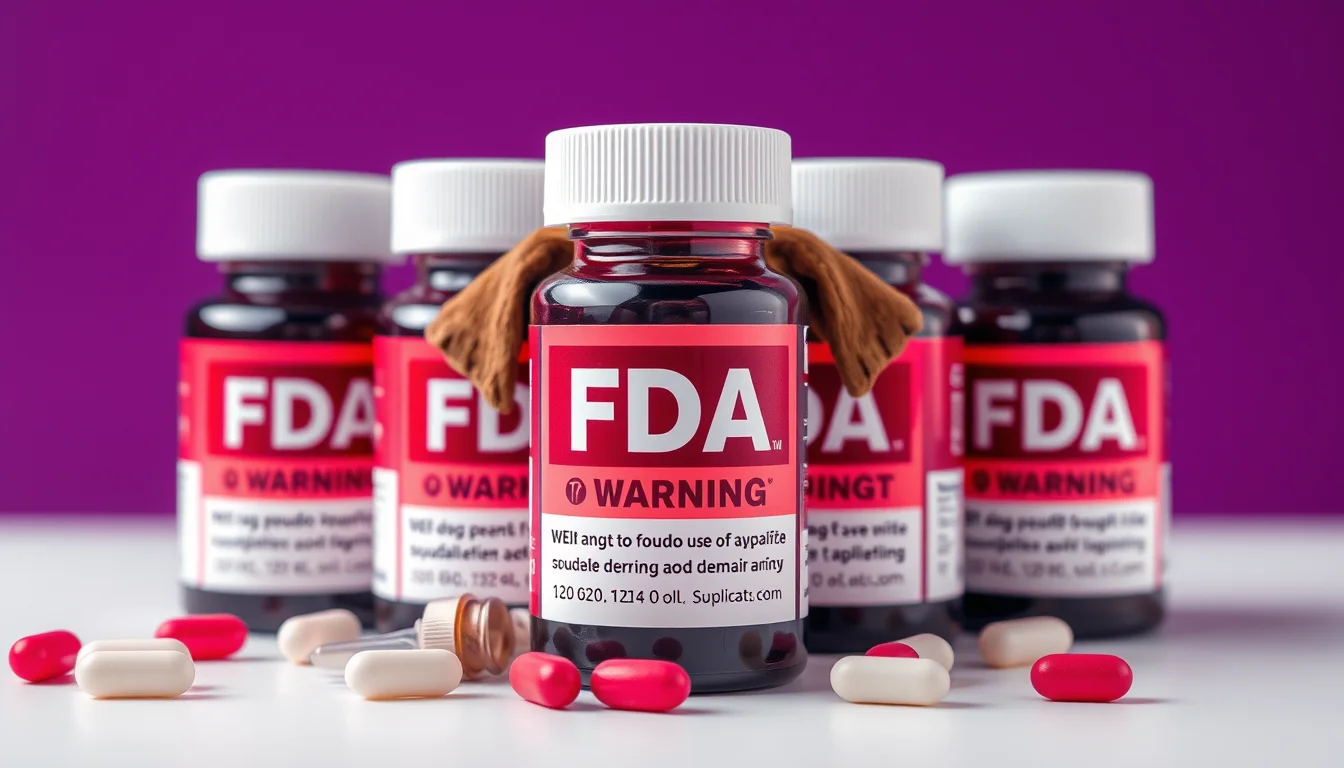
Federal health officials have issued a recall for two dog supplements distributed through major online retail channels after potential salmonella contamination was detected in the products. The action, announced by the U.S. Food and Drug Administration, underscores ongoing quality control challenges in the rapidly expanding pet supplement market and highlights potential health risks not only for animals but also for human handlers.
According to the FDA's public health alert, the recalled products were distributed through popular e-commerce platforms, reaching a potentially significant number of consumers nationwide. The agency emphasized that while the supplements were intended for canine use, salmonella contamination presents a serious health concern for pet owners who handle the products, particularly during feeding routines.
Growing Concerns in the Pet Supplement Industry
The pet supplement market has experienced explosive growth over the past decade, with industry analysts estimating the sector reached $1.8 billion in annual sales in the United States alone. This rapid expansion has brought increased scrutiny from regulators concerned about manufacturing standards and quality assurance protocols in facilities producing animal health products.
Unlike human dietary supplements, which fall under FDA oversight through the Dietary Supplement Health and Education Act (DSHEA), pet supplements occupy a regulatory gray area. Many products are marketed under the Federal Food, Drug, and Cosmetic Act's provisions for animal feed, which can result in less stringent oversight compared to human-grade supplements. The current recall highlights potential gaps in this regulatory framework, particularly regarding contamination prevention measures.
Salmonella Risks and Cross-Contamination Concerns
Salmonella bacteria pose documented health risks to both animals and humans. In dogs, salmonella infection can cause symptoms including:
- Fever and lethargy
- Diarrhea and vomiting
- Loss of appetite
- Abdominal pain and discomfort
For human handlers, the Centers for Disease Control and Prevention notes that contact with contaminated pet products represents a significant transmission pathway. Young children, elderly individuals, and those with compromised immune systems face elevated risks of severe salmonella infection, which can require hospitalization in serious cases.
Manufacturing experts point to several potential contamination sources in supplement production facilities, including shared equipment with raw ingredient processing, inadequate sanitation protocols between production runs, and contaminated source materials from suppliers. The specific contamination source in the current recall has not been publicly disclosed as investigations continue.
Industry Response and Quality Control Standards
The National Animal Supplement Council (NASC), a industry trade organization, has advocated for voluntary quality standards among pet supplement manufacturers. NASC-certified products undergo third-party auditing for good manufacturing practices (GMPs) and contamination testing, though participation in such programs remains voluntary rather than mandatory.
Consumer safety advocates have long called for mandatory testing requirements similar to those recommended for human dietary supplements. Interested consumers can use tools like PharmoniQ's supplement safety checker to research product quality concerns and recall histories before purchasing supplements for themselves or their pets.
Major online retailers have responded to the recall by removing affected products from their platforms and implementing enhanced screening protocols for pet supplement listings. Several platforms announced they would require manufacturers to provide third-party testing documentation before listing animal health products going forward.
What Pet Owners Should Know
Veterinary professionals recommend several precautions when using pet supplements:
- Wash hands thoroughly after handling supplements or feeding pets
- Store supplements separately from human food products
- Monitor pets for unusual symptoms after starting new supplements
- Consult with veterinarians before adding supplements to pet care routines
- Check FDA recall databases regularly for product safety alerts
Pet owners who purchased the recalled products should discontinue use immediately and contact the manufacturer or retailer for refund instructions. Any pets showing signs of illness should receive prompt veterinary evaluation, and handlers experiencing salmonella symptoms should consult healthcare providers.
Looking Ahead: Regulatory Implications
This recall may prompt regulatory discussions about strengthening oversight of the pet supplement sector. Congressional staffers have indicated that upcoming legislative sessions could include proposals for mandatory testing requirements and enhanced facility inspection protocols for animal supplement manufacturers.
Industry observers note that proactive quality control investments may ultimately benefit manufacturers by building consumer confidence and reducing costly recall situations. As the pet supplement market continues expanding, establishing robust safety standards will likely become a competitive differentiator among brands seeking to capture market share in this growing sector.
The FDA continues monitoring the situation and has encouraged consumers to report adverse events associated with pet supplements through its Safety Reporting Portal, helping regulators identify emerging safety concerns across the industry.
Check Your Supplement Interactions
Use our AI-powered checker to analyze supplement safety and interactions.
Open Interaction Checker →Comments (0)
This article is for informational purposes only and does not constitute medical or investment advice. Content is generated with AI assistance and reviewed for accuracy.