Pharmacists Take Lead Role in TKI Cancer Therapy Management

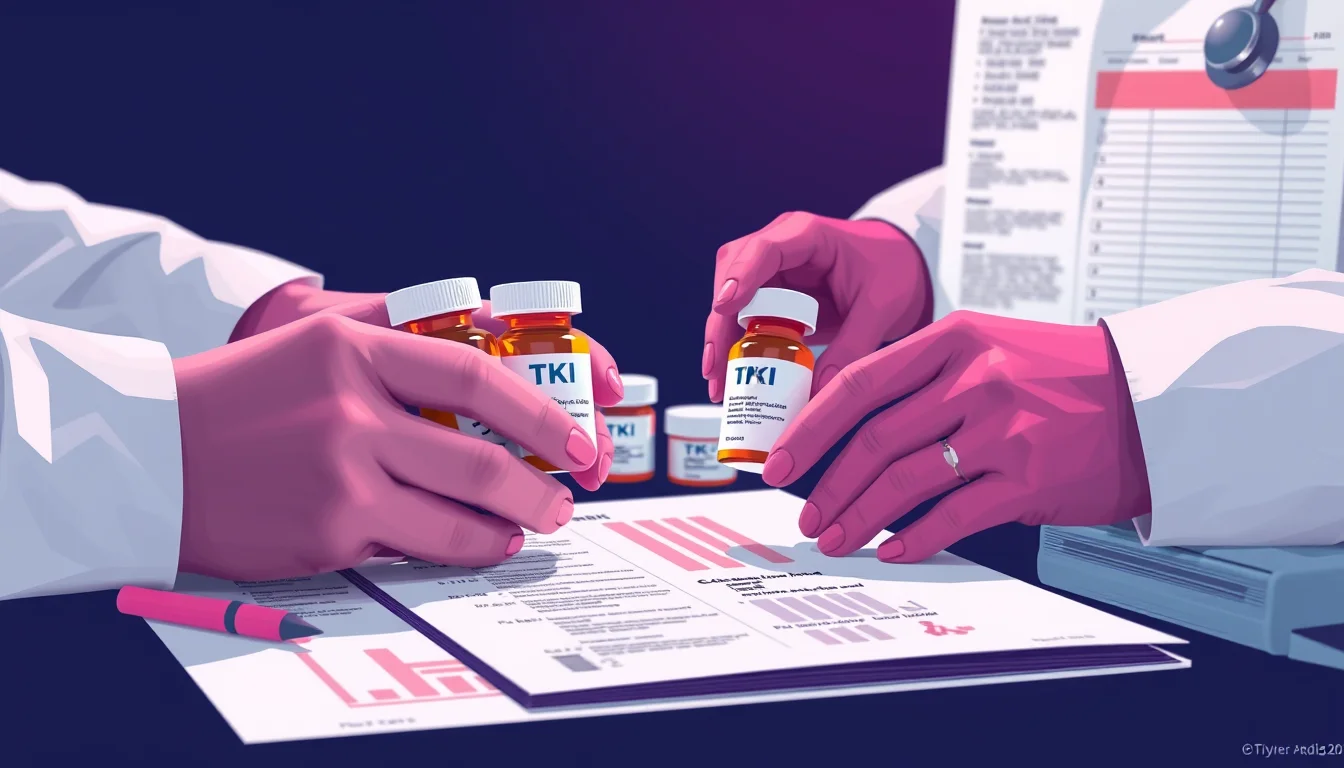
The pharmaceutical profession is witnessing a transformative expansion in clinical responsibilities as new guidance emphasizes pharmacists' critical role in managing tyrosine kinase inhibitor (TKI) therapies — a cornerstone of modern cancer treatment. This shift represents more than an incremental change in practice; it signals a fundamental redefinition of pharmacy's position in oncology care teams.
TKIs, which include widely-prescribed medications for chronic myeloid leukemia, non-small cell lung cancer, and other malignancies, require sophisticated management protocols that extend far beyond traditional medication dispensing. The growing complexity of these oral cancer therapies has created both an opportunity and a necessity for pharmacists to assume expanded clinical roles in dosing optimization, adverse effect monitoring, and comprehensive patient counseling.
The Clinical Complexity Driving Change
Tyrosine kinase inhibitors represent a therapeutic category with unique management challenges that make pharmacist involvement essential. Unlike traditional chemotherapy administered in clinical settings, most TKIs are oral medications that patients self-administer at home, creating significant opportunities for adherence issues, drug interactions, and unmanaged adverse effects.
The clinical landscape surrounding TKI therapy includes several critical factors:
- Narrow therapeutic windows requiring precise dose adjustments based on individual patient response and tolerance
- Complex drug-drug interactions with common medications including acid suppressors, antibiotics, and cardiovascular agents
- Food-medication interactions that can significantly alter bioavailability and therapeutic outcomes
- Diverse adverse effect profiles ranging from manageable skin reactions to serious cardiac and hepatic toxicities
- High medication costs necessitating financial counseling and assistance program navigation
According to current oncology practice trends, medication adherence rates for oral cancer therapies can fall below 80% without adequate support systems — a concerning statistic when treatment efficacy depends on consistent medication-taking behavior. Pharmacists are uniquely positioned to address this adherence gap through regular monitoring, accessible consultation, and proactive intervention.
Expanded Responsibilities in TKI Management
The evolving clinical guidance outlines specific pharmacist responsibilities that extend well beyond the prescription counter. Modern TKI therapy management requires pharmacists to serve as medication therapy experts, patient educators, and collaborative care team members.
Key responsibilities now include comprehensive medication reconciliation at therapy initiation to identify potential interactions, baseline assessment documentation for adverse effect monitoring, development of individualized dose adjustment protocols in collaboration with oncology prescribers, and ongoing patient education about recognition and management of common adverse effects.
Pharmacists are also taking responsibility for coordinating laboratory monitoring schedules, interpreting relevant lab values in the context of therapy optimization, providing nutritional counseling related to food-drug interactions, and serving as accessible points of contact for patients experiencing treatment-related concerns between oncology appointments.
This expanded scope requires sophisticated clinical knowledge. For patients receiving TKIs, pharmacists must understand the specific mechanism of action, recognize organ-specific toxicities, and make evidence-based recommendations for dose modifications or supportive care interventions. Tools like PharmoniQ's supplement interaction checker become essential resources for pharmacists managing patients who may be taking complementary products alongside their cancer therapies.
Practice Model Implications and Workforce Development
The shift toward expanded pharmacist roles in TKI management carries significant implications for pharmacy practice models, workforce training, and healthcare system design. Oncology pharmacy is emerging as a distinct specialty requiring dedicated training pathways, with many institutions now offering postgraduate residency programs focused specifically on oncology pharmacy practice.
Healthcare systems are responding by creating dedicated oncology pharmacist positions embedded within cancer care teams. These specialized practitioners participate in tumor board discussions, maintain direct communication channels with patients, and serve as consultants to other healthcare providers managing patients on TKI therapy.
The economic case for pharmacist involvement is becoming increasingly clear. Studies of pharmacist-led interventions in oncology settings have demonstrated improved medication adherence, reduced hospitalizations for preventable adverse effects, and better overall treatment outcomes — metrics that translate to both improved patient experiences and reduced healthcare costs.
Looking Ahead: The Future of Pharmacy in Oncology Care
The expansion of pharmacist roles in TKI therapy management represents just the beginning of a broader transformation in pharmaceutical care delivery. As oral oncology agents continue to proliferate — with dozens of new TKIs and other targeted therapies in development pipelines — the need for accessible, expert medication management will only intensify.
Regulatory frameworks are beginning to evolve in response to these changing practice patterns. Several states have implemented or are considering collaborative practice agreements that formally authorize pharmacists to adjust TKI doses, order monitoring laboratories, and prescribe supportive medications within established protocols. These policy changes provide the legal foundation for the clinical roles that pharmacists are already performing in many healthcare settings.
The integration of technology platforms is also enhancing pharmacists' ability to manage complex medication regimens. Electronic health record integration, remote monitoring capabilities, and decision support tools are enabling more sophisticated, data-driven pharmacy interventions while maintaining efficiency in busy practice environments.
For pharmacy professionals, this evolution represents both an opportunity and a call to action. Staying current with rapidly evolving oncology therapeutics, developing specialized clinical skills, and advocating for practice models that recognize pharmacists' clinical contributions will be essential to realizing the full potential of this expanded role in cancer care delivery.
Check Your Supplement Interactions
Use our AI-powered checker to analyze supplement safety and interactions.
Open Interaction Checker →Comments (0)
This article is for informational purposes only and does not constitute medical or investment advice. It was written with AI assistance from the sources listed above. Check the original sources before relying on any detail.