West Asia Tensions Drive Pharma Raw Material Costs Up 15-30%
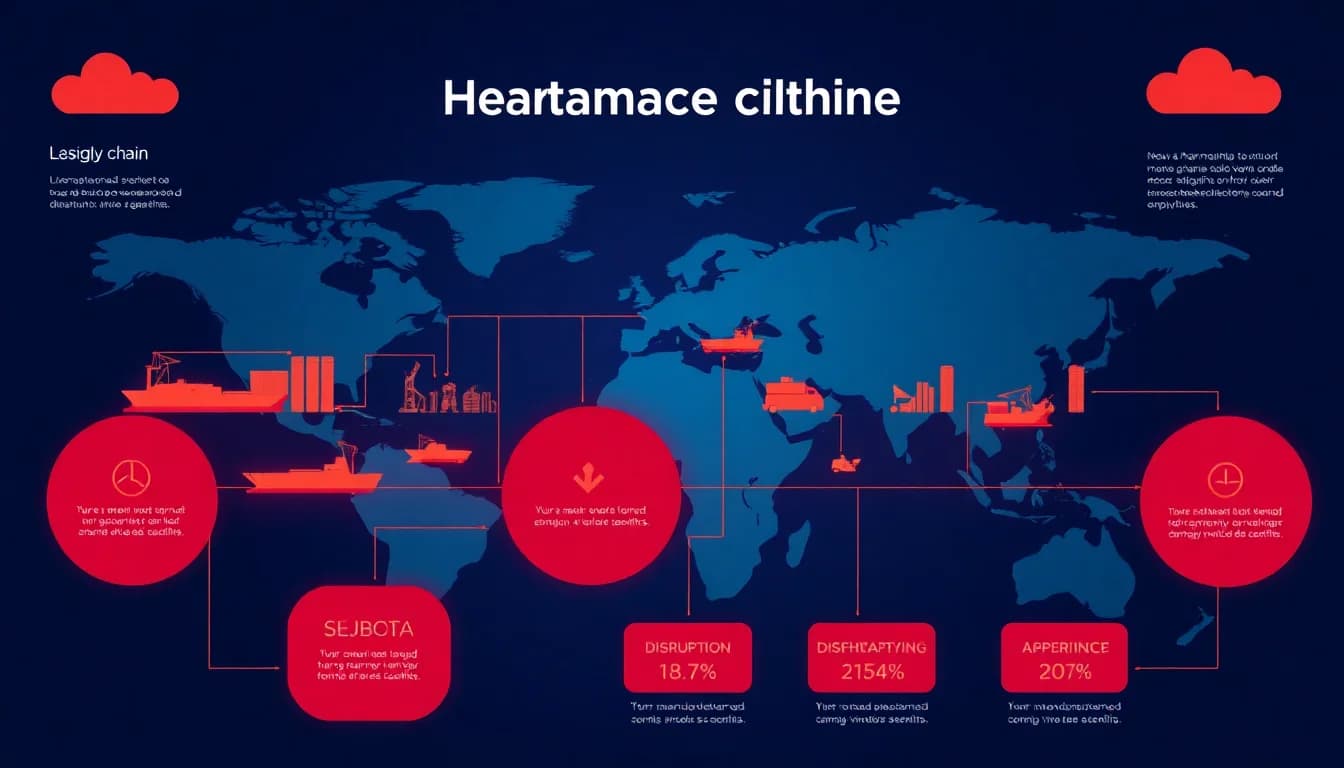
Escalating geopolitical tensions in West Asia are creating significant ripples across the global pharmaceutical supply chain, with raw material costs climbing 15-30% in recent months and manufacturers facing mounting pressure to secure alternative sourcing strategies. Industry analysts warn that these disruptions are exposing long-standing vulnerabilities in pharmaceutical upstream supply chains that could have lasting implications for drug pricing and availability.
Critical Supply Corridors Under Pressure
The pharmaceutical industry relies heavily on active pharmaceutical ingredients (APIs) and key starting materials sourced from manufacturing facilities across West Asia, particularly in regions now experiencing heightened instability. According to industry supply chain experts, approximately 18-22% of certain critical pharmaceutical intermediates flow through trade routes that have become increasingly unreliable due to the current tensions.
Transportation costs have surged as shipping companies reroute vessels to avoid conflict zones, adding 12-18 days to typical transit times and forcing manufacturers to maintain larger safety stock inventories. Insurance premiums for pharmaceutical cargo traveling through affected regions have doubled in some cases, with underwriters citing elevated risk profiles for both maritime and air freight operations.
Key raw materials experiencing the most significant price pressure include:
- Pharmaceutical solvents and reagents – up 22-28% due to production facility disruptions
- Specialty chemical intermediates – increased 18-25% as manufacturers seek alternative suppliers
- API precursors for cardiovascular medications – rising 15-20% amid supply uncertainty
- Antibiotic synthesis materials – climbing 20-30% as production capacities are constrained
Manufacturers Scramble for Supply Diversification
Pharmaceutical companies are urgently reassessing their supplier concentration risks, with several major manufacturers announcing accelerated plans to qualify alternative raw material sources. The current situation has revealed that many drug makers maintained single-source or dual-source arrangements for critical materials, leaving them vulnerable when primary suppliers face operational challenges.
Industry executives note that qualifying new suppliers for pharmaceutical-grade raw materials is a complex, time-intensive process requiring extensive documentation, quality testing, and regulatory filing updates. This qualification timeline—typically 12-18 months for critical materials—means that immediate supply chain diversification remains challenging even as companies commit significant resources to the effort.
Several contract manufacturing organizations (CMOs) have reported that clients are now requesting detailed supply chain mapping and risk assessments as standard components of manufacturing agreements. This represents a significant shift in industry practice, with supply chain resilience moving from a back-office concern to a strategic priority in vendor selection decisions.
Manufacturers using PharmoniQ's supplement verification tools are better positioned to track ingredient sourcing transparency and identify potential supply chain risks before they impact production schedules.
Downstream Impact on Drug Pricing and Availability
The upstream cost pressures are beginning to flow through to finished pharmaceutical products, with industry observers noting that manufacturers are seeking price adjustments for products heavily dependent on affected raw materials. Generic drug makers, operating on particularly thin margins, face especially acute pressure as raw material costs consume a larger proportion of total production expenses.
Healthcare systems and pharmacy benefit managers are closely monitoring the situation for potential formulary impacts. While most essential medications currently maintain adequate inventory levels, procurement specialists are developing contingency plans for potential shortages if supply disruptions persist or intensify.
The situation has also renewed regulatory attention on supply chain resilience, with agencies in multiple jurisdictions requesting detailed supply chain risk assessments from manufacturers of critical medications. These regulatory inquiries focus particularly on products where supply concentration creates vulnerability to geographically concentrated disruptions.
Looking Ahead: Building Supply Chain Resilience
Industry analysts predict that the current disruptions will accelerate longer-term trends toward supply chain regionalization and diversification. Several major pharmaceutical companies have already announced investments in domestic API production capacity, though these facilities will require 3-5 years to reach full operational status.
Technology solutions including real-time supply chain visibility platforms, predictive analytics for risk assessment, and blockchain-based ingredient tracking are seeing increased adoption as companies seek to build more resilient sourcing networks. The industry is also exploring strategic inventory positioning models that balance cost efficiency with supply security.
For consumers and healthcare providers, the current situation underscores the importance of verifying supplement and medication ingredient sources and understanding potential supply vulnerabilities. As geopolitical uncertainties persist, pharmaceutical supply chain resilience will likely remain a critical industry focus for years to come, with implications for drug pricing, availability, and the broader structure of global pharmaceutical manufacturing networks.
Check Your Supplement Interactions
Use our AI-powered checker to analyze supplement safety and interactions.
Open Interaction Checker →Comments (0)
This article is for informational purposes only and does not constitute medical or investment advice. It was written with AI assistance from the sources listed above. Check the original sources before relying on any detail.