VitaQuest Recalls 350,000+ Iron Supplements Over Packaging Safety Failure
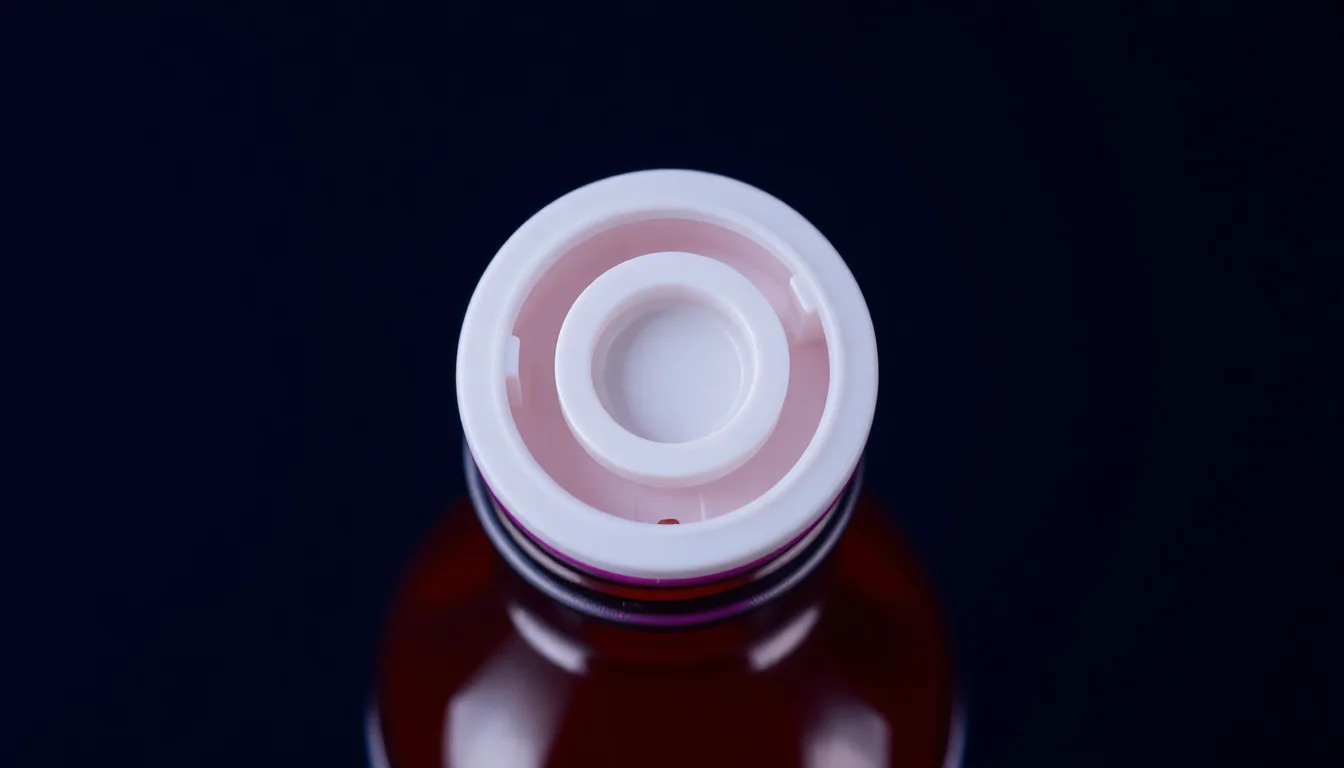
VitaQuest International, a New Jersey-based contract manufacturer, has initiated a voluntary recall of more than 350,000 dietary supplement units containing iron after discovering the products were distributed without federally mandated child-resistant packaging. The recall, which affects multiple product lines sold through major retailers including Amazon and Ulta Beauty, represents one of the more significant packaging compliance failures in the supplement industry this year.
The recalled products pose a serious risk of iron poisoning to young children, a condition that can result in severe injury or death if left untreated. Federal regulations have required child-resistant packaging for iron-containing supplements since 1997, following numerous pediatric poisoning cases linked to vitamin and mineral products.
Scope and Scale of the Recall
According to industry reports, the recall encompasses several product lines manufactured by VitaQuest and distributed under various brand names. The affected supplements were sold through both online platforms and brick-and-mortar retailers, significantly expanding the potential consumer exposure. Key details of the recall include:
- Over 350,000 individual supplement units affected across multiple SKUs
- Products distributed primarily through Amazon's marketplace and Ulta Beauty stores
- All recalled items contain iron at levels requiring child-resistant packaging under the Poison Prevention Packaging Act
- No reported injuries to date, though the company has categorized this as a serious safety concern
- Voluntary recall initiated by VitaQuest in cooperation with the FDA
The recall highlights ongoing challenges in the contract manufacturing sector, where third-party producers must maintain compliance with complex regulatory requirements across multiple product lines and distribution channels. For consumers concerned about the safety of their current supplements, PharmoniQ's supplement verification tool can help identify potential issues with product safety and regulatory compliance.
Understanding the Iron Poisoning Risk
Iron overdose represents one of the leading causes of fatal poisoning in children under six years old. Even moderate amounts of iron—often found in adult multivitamins and prenatal supplements—can cause serious harm when ingested by young children. Symptoms of iron poisoning can appear within hours and include severe gastrointestinal distress, metabolic acidosis, and in extreme cases, organ failure.
The child-resistant packaging requirement, established under the Poison Prevention Packaging Act, mandates special closures that are significantly difficult for children under five to open within a reasonable time period. These regulations apply to any dietary supplement product containing 250 milligrams or more of elemental iron per container, as well as products where individual dosage units contain 30 milligrams or more of elemental iron.
Industry analysts note that packaging compliance failures often stem from breakdowns in quality control procedures, particularly when manufacturers handle high volumes across diverse product lines. "Child-resistant packaging isn't just a regulatory checkbox—it's a critical safety measure that prevents tragic outcomes," according to pharmaceutical safety experts familiar with supplement manufacturing standards.
Regulatory and Industry Implications
This recall serves as a reminder of the FDA's increased scrutiny of dietary supplement manufacturing practices. While supplements are regulated differently than pharmaceutical drugs, basic safety requirements—including proper packaging for potentially hazardous ingredients—remain non-negotiable compliance standards.
Contract manufacturers like VitaQuest play a crucial role in the supplement industry, producing products for numerous brands that lack in-house manufacturing capabilities. When packaging failures occur at this level, the ripple effects can impact multiple brand owners and thousands of consumers across various retail channels.
The incident may prompt increased FDA inspections of contract manufacturing facilities and stricter enforcement of packaging regulations across the dietary supplement sector. Industry observers expect supplement companies to review their quality assurance protocols with contract manufacturers, particularly around packaging specifications and batch release procedures.
Consumer Actions and Looking Ahead
Consumers who have purchased iron-containing supplements from VitaQuest or affiliated brands should check product labels and packaging dates against the company's recall notice. Those with recalled products should stop using them immediately and return them to the point of purchase for a full refund. Parents and caregivers should ensure all iron supplements in their homes are stored in child-resistant containers and kept out of reach of children.
This recall underscores the importance of verification when selecting dietary supplements. Consumers can use resources like PharmoniQ's iron supplement guide to understand safety considerations and identify products from manufacturers with strong compliance records.
As the supplement industry continues to grow—now exceeding $50 billion in annual U.S. sales—regulatory compliance and manufacturing quality control will remain critical focus areas. The VitaQuest recall demonstrates that even established contract manufacturers must maintain constant vigilance over packaging specifications, particularly for products containing ingredients that pose serious pediatric safety risks.
The FDA has not announced additional enforcement actions at this time, but the agency typically conducts follow-up inspections after significant voluntary recalls to assess corrective actions and prevent recurrence. For the broader supplement industry, this incident serves as a crucial reminder that safety compliance cannot be compromised, regardless of production volume or market pressures.
Check Your Supplement Interactions
Use our AI-powered checker to analyze supplement safety and interactions.
Open Interaction Checker →Comments (0)
This article is for informational purposes only and does not constitute medical or investment advice. It was written with AI assistance from the sources listed above. Check the original sources before relying on any detail.