U.S. Pharma Supply Chain Faces Critical China Dependence Risk
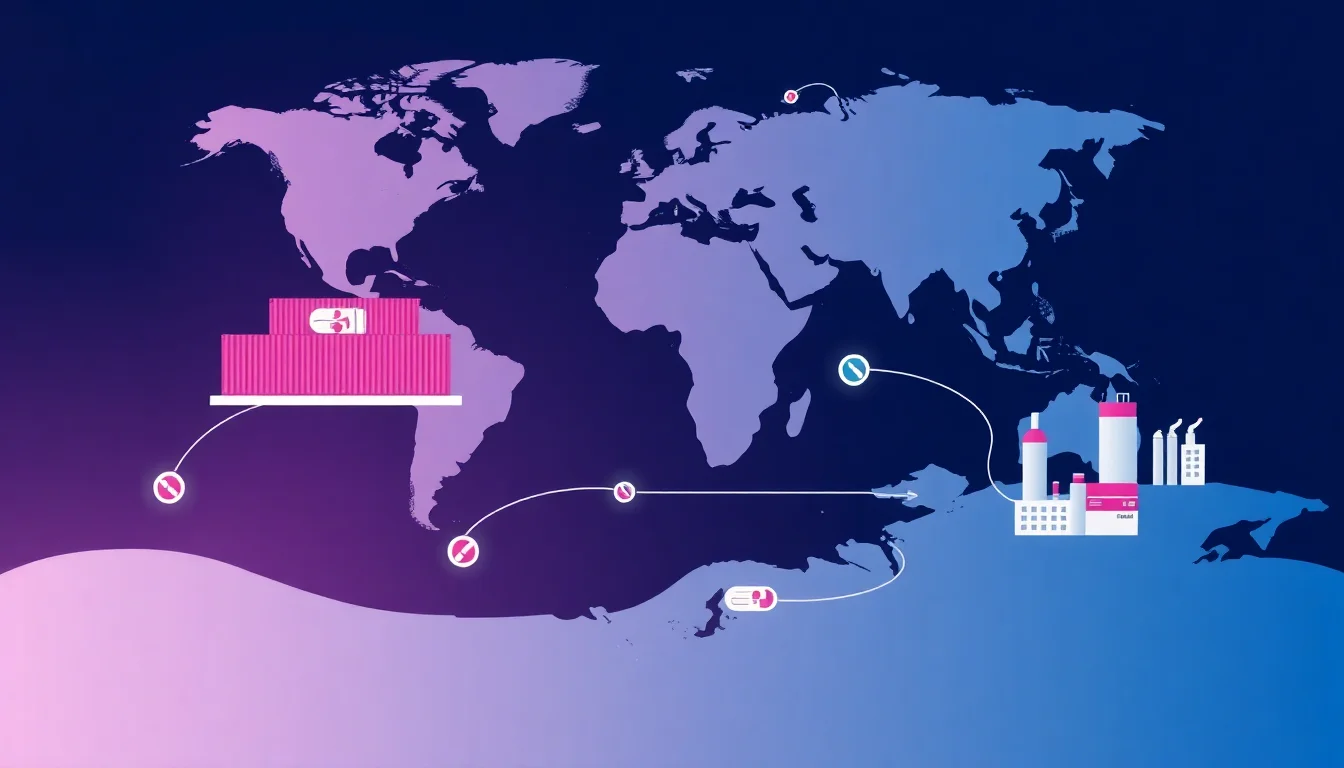
The U.S. pharmaceutical industry is confronting a strategic vulnerability that experts say rivals the rare earth minerals crisis in its potential to disrupt critical infrastructure. According to recent analysis from the Council on Foreign Relations, America's heavy dependence on China for active pharmaceutical ingredients (APIs) and drug manufacturing has created what analysts are calling a 'pharma choke point' with far-reaching implications for national security and public health.
The warning comes as industry observers increasingly recognize that the current pharmaceutical supply chain architecture leaves the United States exposed to potential disruptions that could affect everything from common medications to life-saving treatments. This dependency has evolved over decades as manufacturing migrated overseas in pursuit of lower costs, but the strategic consequences are only now receiving widespread attention.
The Scale of Supply Chain Concentration
China's dominance in pharmaceutical manufacturing extends across multiple critical areas. Current estimates suggest that approximately 80% of active pharmaceutical ingredients used in U.S. medications originate from China and India, with China holding particular strength in the production of essential generic drug components. This concentration affects medications ranging from antibiotics and blood pressure treatments to pain relievers and diabetes medications.
The vulnerability is particularly acute for certain drug categories:
- Antibiotics: China produces the majority of APIs for common antibiotics including penicillin and amoxicillin
- Generic medications: Nearly 90% of generic drug manufacturing capacity sits outside the United States
- Critical care drugs: Many essential hospital medications depend entirely on foreign API sources
- Supplement ingredients: A significant portion of dietary supplement raw materials also originate from Chinese manufacturers
This concentration creates multiple points of failure. A manufacturing disruption, trade conflict, or deliberate supply restriction could rapidly cascade through the U.S. healthcare system. Unlike consumer products where substitutes may exist, pharmaceutical products often have limited alternatives, making supply disruptions particularly consequential.
Learning from Recent Supply Shocks
The COVID-19 pandemic provided a stark preview of these vulnerabilities when disruptions to Chinese manufacturing created immediate shortages of essential medications and personal protective equipment. Hospital pharmacists reported difficulty sourcing everything from sedatives for ventilated patients to basic sterile solutions. The crisis exposed how quickly pharmaceutical supply chains could fracture under stress.
Industry analysts note that while the pandemic prompted initial discussions about supply chain resilience, meaningful structural changes have been limited. The economic incentives that drove offshoring remain largely intact, and rebuilding domestic manufacturing capacity requires substantial long-term investment that many companies have been reluctant to undertake without policy support.
For consumers concerned about medication and supplement quality, tools like the PharmoniQ Supplement Checker can help verify product sourcing and manufacturing standards, though they cannot fully address systemic supply chain risks.
Industry and Policy Response
The pharmaceutical industry has begun acknowledging these concerns, with several major manufacturers announcing initiatives to diversify sourcing and rebuild some domestic production capacity. However, experts caution that meaningful supply chain restructuring will require coordinated action across industry and government.
According to industry observers, several factors complicate rapid diversification:
- Economic barriers: U.S. manufacturing costs significantly exceed Chinese alternatives, affecting profit margins
- Technical expertise: Decades of offshoring have eroded domestic manufacturing knowledge and infrastructure
- Regulatory complexity: Establishing new manufacturing facilities requires extensive FDA approval processes
- Time horizons: Building pharmaceutical manufacturing capacity typically requires 5-10 years of investment
Some policy makers have proposed incentives for domestic manufacturing, including tax credits, streamlined regulatory pathways, and strategic stockpiling of critical APIs. The CHIPS Act's approach to semiconductor manufacturing is frequently cited as a potential model for pharmaceutical supply chain restructuring.
Looking Ahead: Strategic Implications
The pharmaceutical supply chain vulnerability represents more than an economic issue—it touches on fundamental questions of national security and healthcare resilience. As geopolitical tensions evolve and the potential for supply disruptions increases, industry observers expect growing pressure for structural reforms.
Experts suggest the path forward will likely involve a hybrid approach: maintaining global supply chains for economic efficiency while rebuilding domestic capacity for critical medications and establishing strategic reserves of essential APIs. This balanced strategy aims to preserve the benefits of global pharmaceutical markets while reducing catastrophic risk exposure.
For the supplement and pharmaceutical industry, these developments signal a period of significant transition. Companies that proactively address supply chain vulnerabilities and invest in diversification may gain competitive advantages as regulatory and market pressures intensify. Consumers and healthcare providers, meanwhile, should remain aware of these systemic risks when making treatment decisions and consider supply chain factors alongside traditional quality and efficacy considerations.
The coming years will likely determine whether the U.S. pharmaceutical industry can successfully navigate this transition, balancing economic realities with strategic imperatives to build a more resilient and secure supply chain infrastructure.
Check Your Supplement Interactions
Use our AI-powered checker to analyze supplement safety and interactions.
Open Interaction Checker →Comments (0)
This article is for informational purposes only and does not constitute medical or investment advice. It was written with AI assistance from the sources listed above. Check the original sources before relying on any detail.