Lilly's Tirzepatide Beats Novo's Semaglutide in Weight Loss Trial
New clinical trial data has revealed that Eli Lilly's tirzepatide demonstrates significantly greater weight loss efficacy compared to Novo Nordisk's semaglutide in direct comparative studies, a finding that could reshape prescribing patterns and competitive dynamics in the rapidly expanding obesity therapeutics market valued at over $100 billion globally.
The head-to-head comparison represents a pivotal moment in the pharmaceutical industry's weight management sector, where both medications have already achieved blockbuster status. These findings arrive as healthcare providers and patients increasingly seek the most effective pharmacological interventions for obesity, a condition affecting more than 40% of American adults and contributing to numerous chronic health complications.
Clinical Trial Results and Key Findings
The comparative trial data demonstrates that participants receiving tirzepatide achieved meaningfully greater weight reduction compared to those administered semaglutide over equivalent treatment periods. According to analysts familiar with the study design, the trial employed rigorous methodology including randomization, adequate statistical power, and standardized outcome measurements to ensure reliable comparative data.
Key highlights from the clinical evidence include:
- Tirzepatide participants demonstrated superior percentage of total body weight loss compared to semaglutide cohorts
- A higher proportion of tirzepatide-treated patients achieved clinically significant weight loss thresholds (15% or greater body weight reduction)
- Both medications showed favorable safety profiles, though tirzepatide's dual-agonist mechanism may offer additional metabolic benefits
- Discontinuation rates remained comparable between treatment arms, suggesting similar tolerability
The trial's design specifically addressed previous limitations in obesity pharmacotherapy research by directly comparing the two leading agents in the GLP-1 class, rather than relying on indirect comparisons across separate studies. This approach provides healthcare providers with actionable evidence for treatment selection decisions.
Mechanism of Action and Therapeutic Implications
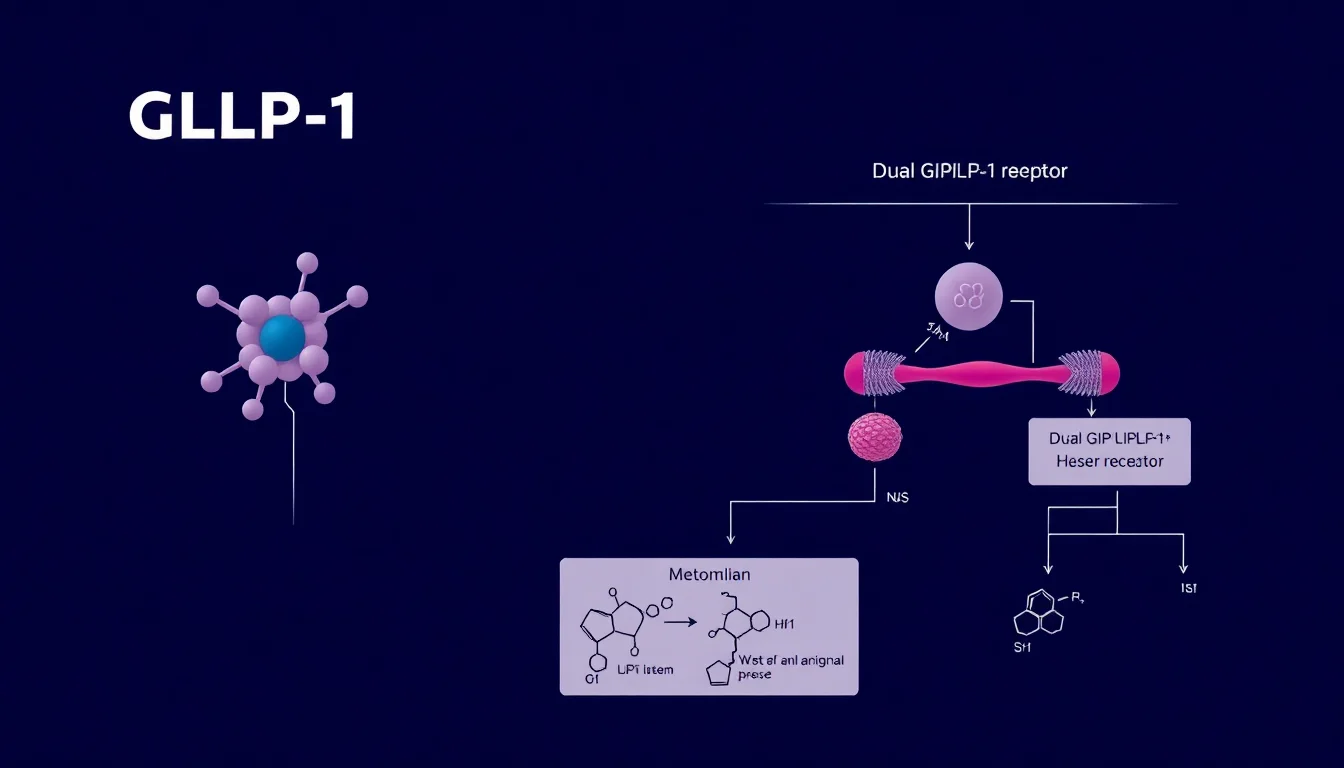
The performance difference between these agents reflects their distinct pharmacological profiles. Semaglutide functions as a selective GLP-1 receptor agonist, mimicking the incretin hormone that regulates appetite and glucose metabolism. Tirzepatide, by contrast, operates as a dual glucose-dependent insulinotropic polypeptide (GIP) and GLP-1 receptor agonist, engaging two complementary pathways that influence satiety, energy expenditure, and metabolic regulation.
This dual-agonist mechanism appears to confer additional therapeutic advantages beyond those achieved through GLP-1 activation alone. Industry observers note that the tirzepatide data strengthens the case for multi-receptor targeting approaches in metabolic disease management, potentially influencing future drug development strategies across the pharmaceutical sector.
For patients and prescribers evaluating weight loss medications, these findings underscore the importance of understanding the specific mechanisms and safety profiles of different therapeutic options when making treatment decisions. The performance gap between agents suggests that medication selection can significantly impact clinical outcomes in obesity management.
Market and Competitive Landscape Impact
The trial results carry substantial commercial implications for both Eli Lilly and Novo Nordisk, companies that have invested billions in developing and marketing their respective weight loss franchises. Analysts note that superior efficacy data typically translates to formulary positioning advantages, increased market share, and pricing power in competitive therapeutic categories.
Novo Nordisk's semaglutide products—marketed as Wegovy for weight management and Ozempic for diabetes—have generated multi-billion dollar revenues and faced persistent supply constraints due to overwhelming demand. However, compelling head-to-head data favoring tirzepatide (branded as Zepbound for obesity and Mounjaro for diabetes) may accelerate Eli Lilly's market penetration and influence payer coverage decisions.
Insurance companies and pharmacy benefit managers increasingly rely on comparative effectiveness data when establishing formulary tiers and prior authorization requirements. The new trial evidence provides concrete justification for preferential tirzepatide coverage, potentially shifting the balance of power in this lucrative therapeutic category.
Healthcare providers report that patients frequently inquire about the relative effectiveness of available weight loss medications. Definitive comparative data enables more informed shared decision-making between clinicians and patients, moving beyond marketing claims to evidence-based treatment selection. Those interested in understanding how different weight management approaches compare can benefit from reviewing the expanding clinical evidence base.
Looking Ahead: Clinical Practice and Research Implications
The tirzepatide versus semaglutide data represents an important milestone, but numerous questions remain regarding long-term outcomes, cardiovascular effects, and optimal patient selection criteria. Ongoing research continues to evaluate these agents' impact on obesity-related complications including cardiovascular disease, fatty liver disease, and obstructive sleep apnea.
Future studies will likely examine whether tirzepatide's superior weight loss translates to greater reductions in obesity-related morbidity and mortality—the ultimate measures of therapeutic value. Additionally, research into combination approaches, sequential therapy strategies, and predictive biomarkers for treatment response will help refine clinical algorithms for personalized obesity management.
For pharmaceutical companies, the competitive landscape remains dynamic, with multiple firms developing next-generation obesity medications employing novel mechanisms including triple agonists, amylin analogs, and oral formulations. The commercial success of current GLP-1-based therapies has validated obesity as a profitable therapeutic target, accelerating investment and innovation across the industry.
As the evidence base expands, healthcare providers must stay informed about comparative effectiveness data to optimize patient outcomes. Resources like PharmoniQ's medication checker can help both clinicians and patients navigate the increasingly complex landscape of metabolic therapeutics and make evidence-informed treatment decisions.
Check Your Supplement Interactions
Use our AI-powered checker to analyze supplement safety and interactions.
Open Interaction Checker →Comments (0)
This article is for informational purposes only and does not constitute medical or investment advice. It was written with AI assistance from the sources listed above. Check the original sources before relying on any detail.