Telix Publishes Long-Term TLX400-Tx FAP Therapy Data

Telix Pharmaceuticals has announced the publication of long-term clinical outcomes from an investigator-led study evaluating TLX400-Tx, the company's lead fibroblast activation protein (FAP) targeted therapy. The release of mature data represents a significant milestone in precision oncology research, providing extended follow-up evidence that goes beyond initial trial results and offers insights into the durability and safety profile of this novel therapeutic approach.
The publication marks an important step forward in the development of FAP-targeted therapies, a promising area of cancer treatment that focuses on proteins expressed in the tumor microenvironment rather than cancer cells themselves. According to industry analysts, the availability of long-term data is critical for understanding both the sustained efficacy and potential late-emerging safety signals associated with these innovative treatments.
Understanding FAP-Targeted Therapy
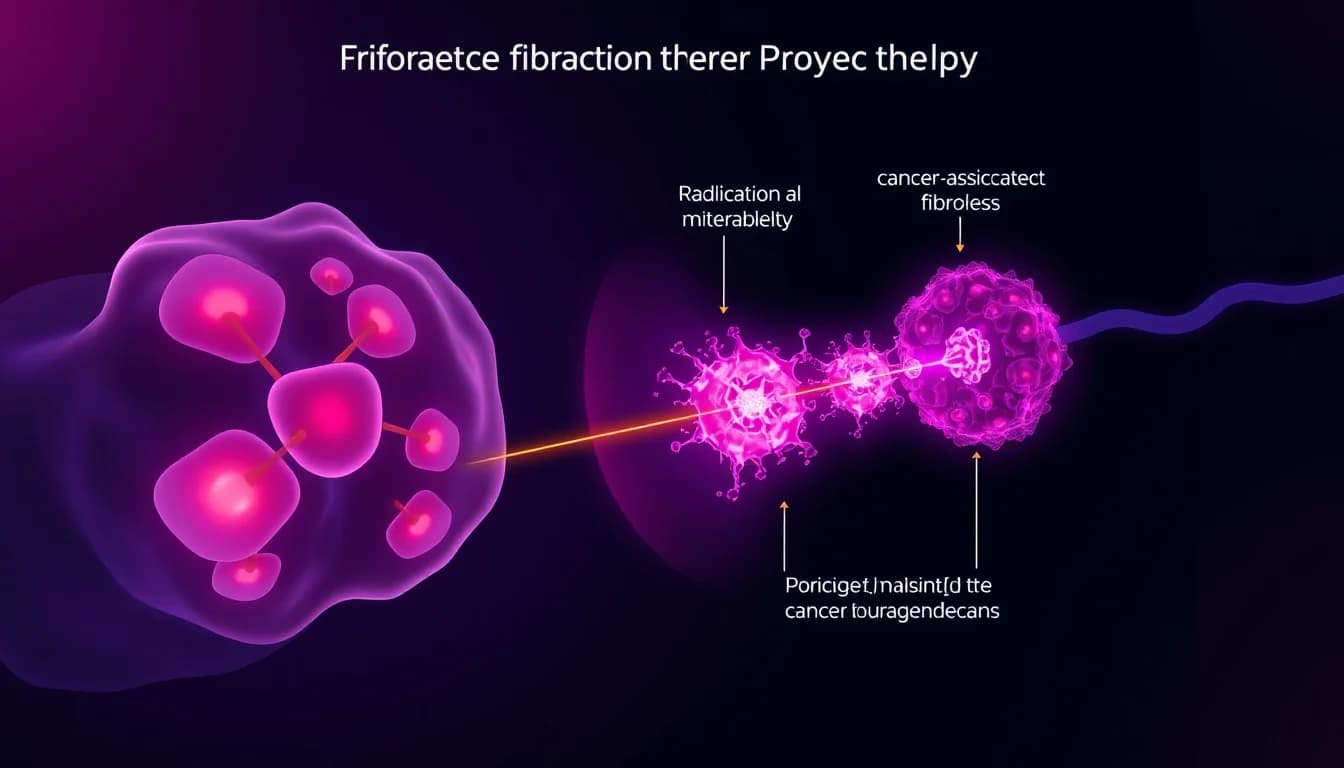
Fibroblast activation protein represents a novel target in oncology, distinct from traditional approaches that directly attack tumor cells. FAP is a protein highly expressed on cancer-associated fibroblasts within the tumor stroma—the supportive tissue surrounding cancerous growths. This characteristic makes FAP an attractive target for both diagnostic imaging and therapeutic intervention.
Key advantages of FAP-targeted approaches include:
- High selectivity for tumor microenvironment with minimal expression in healthy tissues
- Applicability across multiple cancer types where FAP expression is elevated
- Potential for both theranostic applications (combined diagnosis and treatment)
- Complementary mechanism to existing cancer therapies
TLX400-Tx represents Telix's investigational radioligand therapy designed to deliver targeted radiation to FAP-expressing tissues. The therapy utilizes a radiolabeled molecule that binds specifically to FAP, concentrating therapeutic radiation in areas where the protein is present while sparing healthy tissue.
Clinical Data and Long-Term Outcomes
The newly published data stems from an investigator-led clinical study that has followed patients over an extended period, providing crucial information about treatment durability and long-term safety. While initial trial data typically focuses on immediate response rates and short-term tolerability, long-term follow-up data reveals whether therapeutic benefits persist and whether delayed adverse effects emerge.
According to researchers familiar with FAP-targeted therapies, mature clinical data is particularly valuable in radioligand therapy development. "Long-term outcomes help us understand not just whether a treatment works initially, but whether those benefits translate into meaningful survival advantages and maintained quality of life," notes one oncology research specialist.
The publication of this data comes at a time when the broader field of radioligand therapy is experiencing rapid growth. Multiple pharmaceutical companies are developing targeted radiotherapies for various cancer types, and regulatory authorities have shown increasing willingness to approve these treatments based on compelling clinical evidence. Patients seeking to understand the safety profiles of cutting-edge cancer therapies can explore comprehensive information through resources like PharmoniQ's supplement and drug interaction checker.
Industry Implications and Research Landscape
The release of long-term TLX400-Tx data occurs within a competitive landscape where several companies are pursuing FAP-targeted approaches. The tumor microenvironment has emerged as a critical frontier in precision oncology, with researchers recognizing that targeting the supportive structures around tumors may offer advantages over exclusively targeting cancer cells.
Industry observers note that investigator-led studies, while sometimes smaller in scale than company-sponsored trials, often provide valuable real-world evidence that complements formal regulatory studies. These academic collaborations can explore dosing strategies, patient selection criteria, and combination approaches that inform later-stage development programs.
The publication also reflects growing maturity in the radioligand therapy field. As more products progress through development and gain regulatory approval, the accumulation of long-term safety and efficacy data becomes increasingly important for comparative effectiveness assessments and treatment guideline development.
Looking Ahead: Future of FAP-Targeted Treatments
The availability of mature clinical data for TLX400-Tx is likely to inform Telix's development strategy and regulatory pathway forward. Long-term outcomes data strengthens regulatory submissions and can support expanded indications or combination therapy approaches. Analysts suggest that demonstrable durability of response and manageable long-term safety profiles are critical factors in determining commercial viability for novel cancer therapies.
Beyond Telix's specific program, the publication contributes to the broader scientific understanding of FAP as a therapeutic target. As researchers continue to explore the tumor microenvironment's role in cancer progression and treatment resistance, FAP-targeted approaches may find applications in combination with immunotherapies, traditional chemotherapies, or other targeted agents.
For healthcare providers and patients navigating the evolving landscape of precision oncology treatments, staying informed about emerging therapies and their evidence base remains essential. The progression of therapies like TLX400-Tx from concept through long-term clinical validation exemplifies the lengthy, evidence-driven process required to bring innovative cancer treatments to patients who need them most.
Check Your Supplement Interactions
Use our AI-powered checker to analyze supplement safety and interactions.
Open Interaction Checker →Comments (0)
This article is for informational purposes only and does not constitute medical or investment advice. It was written with AI assistance from the sources listed above. Check the original sources before relying on any detail.