Sierra Nevada Cheese Recalls Entire Raw Milk Line in Safety Move
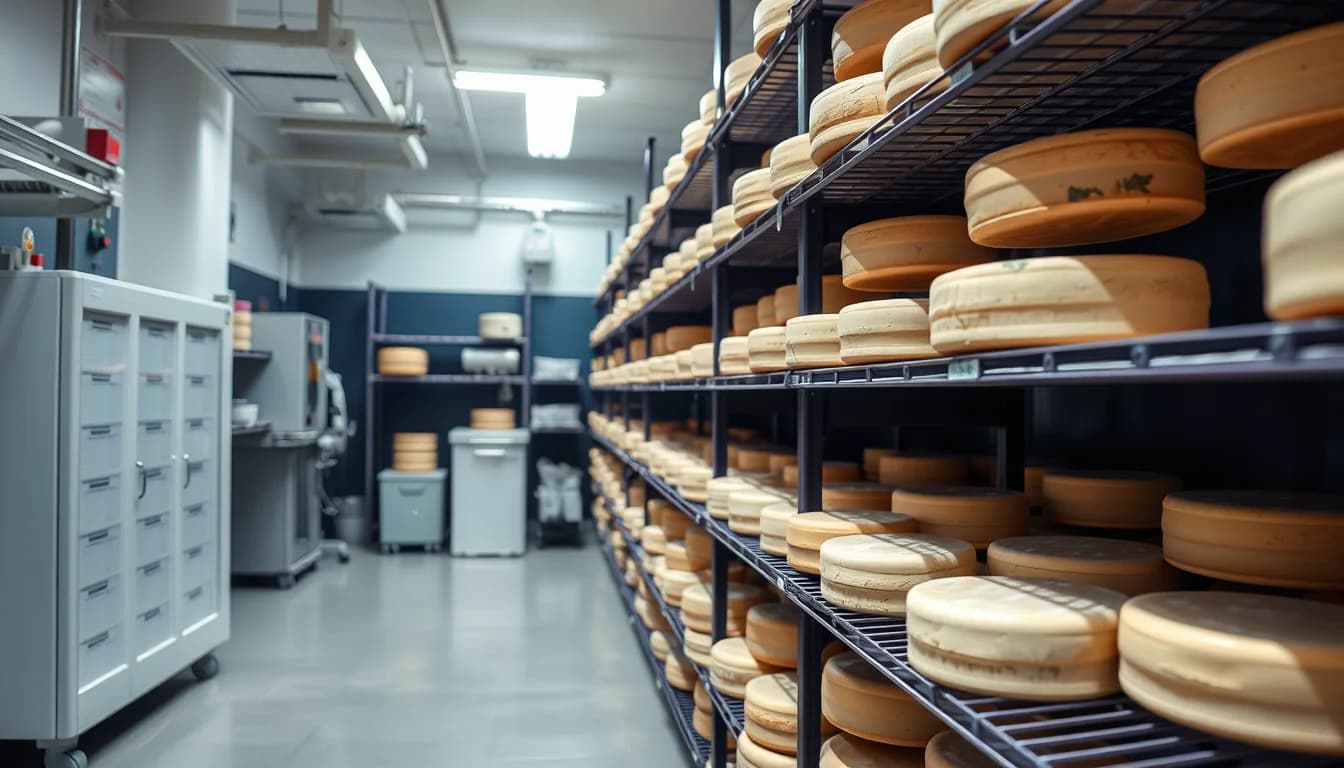
Sierra Nevada Cheese Company of Willows, California has initiated a voluntary recall of its complete Graziers Raw Milk Cheese product line as of September 29, 2026, marking one of the most comprehensive recalls in the specialty cheese sector this year. The decision to withdraw all raw milk cheese products currently in distribution—rather than targeting specific production lots—signals a significant safety action that has drawn attention from food safety regulators and the artisanal dairy industry alike.
Scope and Scale of the Recall Action
The recall encompasses the company's entire portfolio of raw milk cheese products sold under the Graziers brand, affecting inventory across multiple states where the specialty products were distributed. According to the company's announcement, the voluntary action was initiated out of an abundance of caution following internal quality monitoring protocols, though specific contamination concerns have not been fully detailed in public disclosures.
Key aspects of the recall include:
- Complete withdrawal of all raw milk cheese varieties, not limited to specific lot numbers or production dates
- Products distributed through specialty retailers, natural food stores, and farmers markets across the western United States
- Voluntary nature of the action, initiated by the company rather than mandated by regulatory authorities
- Coordination with FDA and state health departments on product recovery and consumer notifications
The comprehensive scope of this recall distinguishes it from typical food safety actions, which more commonly target specific production batches. Industry analysts note that full product line withdrawals typically indicate either widespread process concerns or a conservative approach to uncertainty in testing results. For consumers tracking supplement and food safety, PharmoniQ's safety checker provides tools to verify product recalls across categories.
Raw Milk Dairy Regulation and Industry Context
The recall highlights ongoing regulatory complexities surrounding raw milk dairy products in the United States. Federal regulations require raw milk cheeses to be aged for at least 60 days before sale, based on research suggesting this aging period reduces pathogen risks. However, state-level regulations vary considerably, creating a patchwork of standards for artisanal cheesemakers.
Sierra Nevada Cheese Company has been a recognized producer in California's specialty cheese sector, where artisanal raw milk products have grown in popularity among consumers seeking traditional production methods and distinctive flavor profiles. The company's Graziers line represented a premium offering marketed to natural food enthusiasts and specialty cheese retailers.
Recent years have seen increased scrutiny of raw milk products following several high-profile contamination incidents involving both fluid raw milk and aged cheeses. Public health officials continue to emphasize potential risks associated with unpasteurized dairy, particularly concerning Listeria monocytogenes, Salmonella, and pathogenic E. coli strains. The FDA maintains that pasteurization remains the most effective method for eliminating harmful bacteria in dairy products.
Industry Reaction and Testing Protocol Questions
The recall has prompted discussion within the specialty food industry about testing protocols and quality assurance practices for raw milk cheese production. Several industry associations have emphasized that responsible raw milk cheesemakers implement rigorous testing programs that often exceed minimum regulatory requirements.
Food safety experts note that voluntary recalls, while disruptive to business operations, demonstrate a company's commitment to consumer safety and regulatory compliance. The decision to recall an entire product line rather than risk consumer exposure to potentially contaminated products reflects a conservative risk management approach that prioritizes public health over short-term financial considerations.
Specialty retailers carrying the affected products have been working with the company to remove inventory from shelves and process customer refunds. The recall serves as a reminder for consumers to check their refrigerators for affected products and dispose of or return any Graziers Raw Milk Cheese items purchased recently.
Looking Ahead: Implications for Artisanal Dairy
This recall arrives at a critical juncture for the artisanal cheese industry, which has experienced significant growth over the past decade as consumer interest in traditional food production methods has expanded. The incident may prompt renewed regulatory scrutiny of raw milk cheese production practices and potentially influence ongoing debates about state and federal dairy safety standards.
For Sierra Nevada Cheese Company, the path forward will likely involve comprehensive review of production processes, enhanced testing protocols, and rebuilding consumer confidence in product safety. The company's ability to transparently address the underlying causes of the recall and demonstrate corrective actions will be crucial for maintaining market position in the competitive specialty cheese sector.
Industry observers expect this recall to reinforce the importance of robust food safety management systems for all specialty food producers, regardless of size or production methods. As consumers increasingly seek information about product safety across food and supplement categories, transparency and proactive safety measures become essential competitive differentiators in premium market segments.
The broader implications extend beyond a single company, potentially influencing how regulatory agencies approach oversight of artisanal dairy production and how producers balance traditional methods with modern food safety expectations in an increasingly safety-conscious marketplace.
Check Your Supplement Interactions
Use our AI-powered checker to analyze supplement safety and interactions.
Open Interaction Checker →Comments (0)
This article is for informational purposes only and does not constitute medical or investment advice. Content is generated with AI assistance and reviewed for accuracy.