Roche Deploys 3,500+ GPUs in Pharma's Largest AI Infrastructure Push
Roche has significantly expanded its artificial intelligence capabilities through an enhanced partnership with NVIDIA, establishing what the company describes as the pharmaceutical industry's largest announced hybrid-cloud AI infrastructure. The expanded facility now operates more than 3,500 GPUs dedicated to accelerating drug discovery and development processes, representing a substantial escalation in computational investment that may establish a new benchmark for research and development infrastructure in the sector.
The announcement marks a pivotal moment in pharmaceutical R&D strategy, moving artificial intelligence from pilot projects and experimental initiatives to core infrastructure status. Industry analysts note that this level of computational commitment — requiring tens of millions of dollars in hardware investment alone — signals confidence that AI-driven drug discovery has moved beyond the proof-of-concept stage into operational necessity.
From Experimental to Enterprise: The Infrastructure Shift
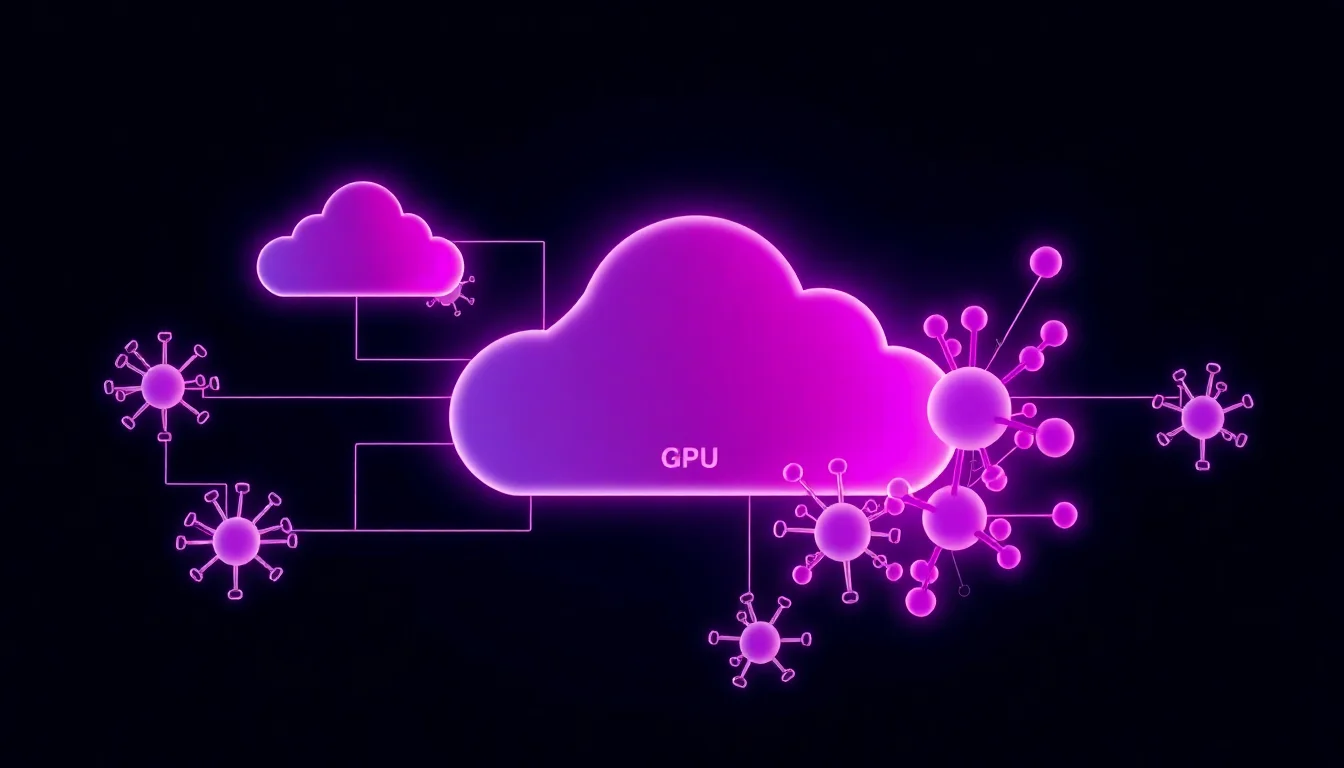
Roche's hybrid-cloud approach combines on-premises GPU clusters with cloud-based resources, providing the flexibility to scale computational power according to project demands while maintaining data security and regulatory compliance. This architecture addresses one of the pharmaceutical industry's most pressing challenges: balancing the need for massive computational resources with strict data governance requirements inherent to drug development.
The scale of this deployment represents a significant departure from traditional pharmaceutical R&D infrastructure. Key aspects of the expanded facility include:
- Computational capacity: Over 3,500 GPUs capable of processing complex molecular simulations and large-scale data analysis simultaneously
- Hybrid architecture: Integration of on-premises and cloud resources allowing for secure, scalable operations
- Multi-stage application: Infrastructure designed to support AI applications across target identification, compound screening, and clinical trial optimization
- Continuous expansion: Framework built to accommodate future scaling as computational demands increase
According to industry observers, the investment reflects growing evidence that AI-powered drug discovery can meaningfully compress development timelines and reduce failure rates in early-stage research. Traditional drug discovery processes can take 10-15 years and cost over $2 billion per approved therapy. AI infrastructure of this magnitude aims to address both timeline and cost challenges by accelerating target validation, compound optimization, and predictive toxicology.
Industry-Wide Implications and Competitive Dynamics
Roche's infrastructure announcement comes amid a broader wave of AI adoption across the pharmaceutical sector. Recent partnerships, including collaborations between major technology providers and life sciences companies, indicate that computational drug discovery has reached an inflection point where infrastructure investment becomes a competitive differentiator rather than an experimental luxury.
The deployment follows similar moves by other major pharmaceutical companies, though Roche's scale appears to represent the largest single announced commitment to date. This creates potential competitive pressure on peer organizations to make comparable investments or risk falling behind in AI-enabled discovery capabilities.
Smaller pharmaceutical and biotechnology companies may face particular challenges in matching this level of infrastructure investment, potentially widening the resource gap between large established players and emerging firms. However, the validation of AI drug discovery at enterprise scale may also accelerate the development of accessible cloud-based platforms and services that democratize access to similar capabilities.
For researchers and clinicians interested in understanding how AI and computational approaches are reshaping pharmaceutical development, tools like PharmoniQ's Drug Interaction Checker demonstrate how advanced computational analysis is increasingly integrated throughout the healthcare ecosystem, from discovery through clinical application.
Technical Applications and Discovery Workflow Integration
The GPU infrastructure supports multiple computationally intensive applications across Roche's drug discovery pipeline. Machine learning models trained on this infrastructure can analyze millions of molecular structures, predict protein-ligand interactions, optimize compound properties, and identify potential safety concerns before compounds enter expensive preclinical testing.
Beyond molecular discovery, the infrastructure enables advanced applications in patient stratification, biomarker identification, and clinical trial design optimization. These capabilities allow researchers to identify patient populations most likely to benefit from specific therapies earlier in the development process, potentially improving clinical trial success rates and accelerating time to market for effective treatments.
Looking Ahead: The New Infrastructure Standard
Roche's deployment may establish a new baseline expectation for computational infrastructure in pharmaceutical research. As AI models become more sophisticated and data sets continue to expand, the computational requirements for competitive drug discovery are likely to increase substantially over the coming years.
Industry analysts anticipate that major pharmaceutical companies will need to make similar-scale investments to remain competitive in AI-driven discovery, while smaller organizations may increasingly rely on partnerships, cloud platforms, or specialized AI-focused biotechnology collaborations to access comparable capabilities.
The pharmaceutical industry's adoption of enterprise-scale AI infrastructure represents a fundamental shift in how drugs are discovered and developed. Whether Roche's investment delivers the anticipated acceleration in discovery timelines and improvement in success rates will be closely watched across the sector, potentially influencing the pace and scale of similar investments industry-wide. As these computational capabilities mature, they promise to reshape not only drug discovery processes but also the competitive landscape of pharmaceutical innovation itself.
Check Your Supplement Interactions
Use our AI-powered checker to analyze supplement safety and interactions.
Open Interaction Checker →Comments (0)
This article is for informational purposes only and does not constitute medical or investment advice. It was written with AI assistance from the sources listed above. Check the original sources before relying on any detail.