Pharma Industry Embraces API-Based Drug Databases for Multi-Market Compliance
The pharmaceutical industry is undergoing a significant infrastructure transformation as companies across Switzerland and the European Union increasingly adopt standardized, API-based drug database systems to manage cross-border regulatory compliance. This shift toward data interoperability represents a fundamental change in how pharmaceutical manufacturers, distributors, and regulatory affairs teams access and manage critical drug information across multiple jurisdictions.
According to industry analysts, the adoption of schema-validated drug databases accessible via REST, GraphQL, and Model Context Protocol (MCP) interfaces is accelerating among mid-sized and large pharmaceutical operations. These systems consolidate regulatory data from public registries including Swissmedic's Authorised Medicinal Products database, the European Medicines Agency's product repository, and the U.S. FDA's drug databases into unified, programmatically accessible platforms.
The Cross-Border Compliance Challenge
Pharmaceutical companies operating across multiple markets have historically faced significant challenges managing drug information across disparate regulatory systems. Each jurisdiction maintains its own database structure, update frequency, and data format, creating substantial overhead for regulatory affairs departments.
"The fragmentation of drug databases across markets has been a persistent pain point for the industry," notes regulatory compliance experts familiar with multi-market operations. "Companies were maintaining separate workflows for Switzerland, the EU, and the United States, often relying on manual data entry and periodic updates that created compliance risks and operational inefficiencies."
The traditional approach required regulatory teams to:
- Manually monitor multiple government websites for drug approval updates and regulatory changes
- Reconcile inconsistent data formats and terminology across jurisdictions
- Maintain separate documentation systems for each market's compliance requirements
- Coordinate updates across internal systems when regulatory status changed in any market
- Conduct time-consuming audits to ensure data accuracy and completeness
These manual processes not only increased operational costs but also extended time-to-market for new products and created potential compliance vulnerabilities when regulatory changes occurred.
The API-Based Solution and Industry Adoption
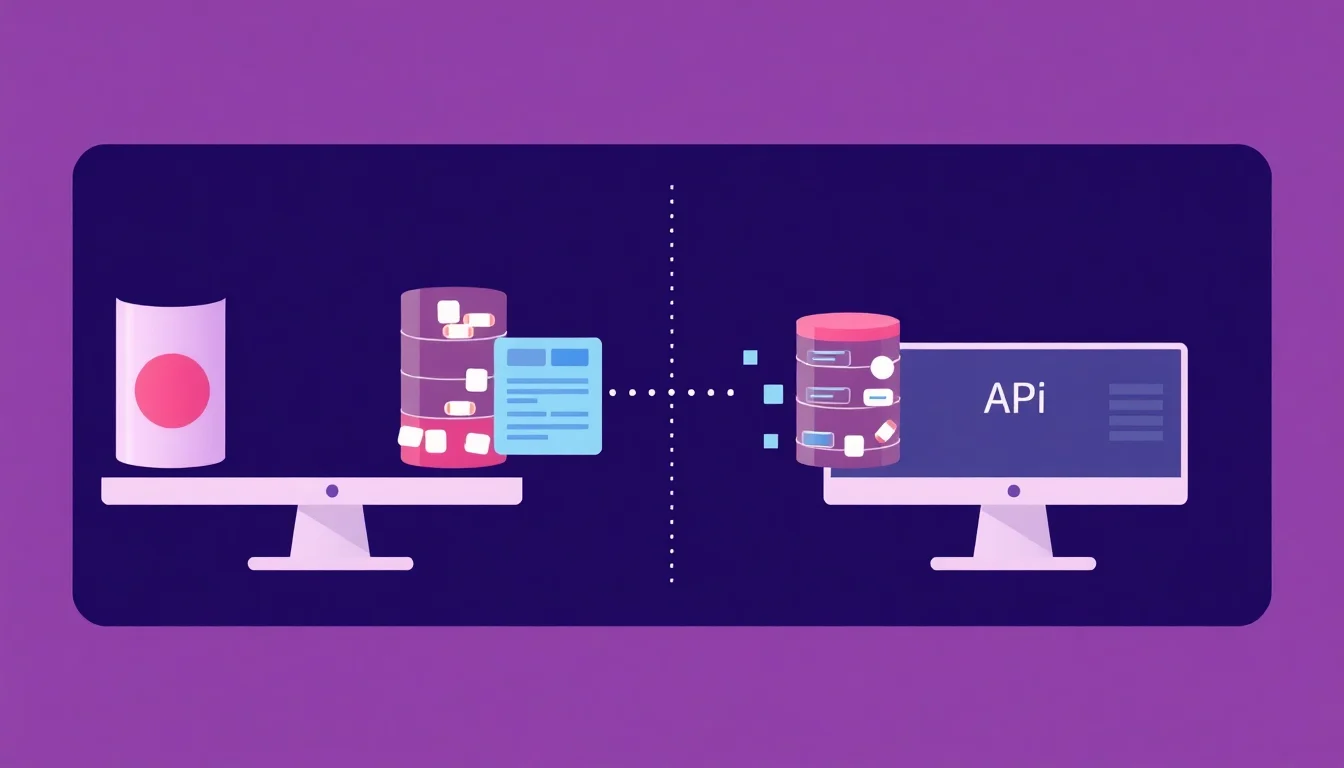
The emergence of validated, API-accessible drug databases addresses these challenges through systematic data consolidation and standardization. These platforms aggregate regulatory information from official sources and present it through modern programmatic interfaces that integrate directly with pharmaceutical companies' existing systems.
The technical architecture typically includes schema validation to ensure data consistency, differential tracking to identify changes over time, and multiple protocol support to accommodate different integration requirements. Companies can now query drug information programmatically, receive automated updates when regulatory status changes, and maintain synchronized records across their internal systems.
Swiss pharmaceutical companies, operating in a market that serves as both a major production hub and a bridge between EU and non-EU markets, have been particularly quick to adopt these solutions. The ability to simultaneously track Swissmedic approvals alongside EMA and FDA status provides substantial operational advantages for companies managing multi-market strategies.
"We're seeing a clear trend toward infrastructure modernization in regulatory affairs departments," industry observers report. "The same digital transformation that revolutionized other aspects of pharmaceutical operations is now reaching regulatory compliance and drug information management."
Cost Reduction and Efficiency Gains
Early adopters of API-based drug database systems report significant efficiency improvements. Automated data synchronization eliminates manual monitoring and data entry, reducing the staffing requirements for routine regulatory tracking by an estimated 30-40% according to preliminary industry feedback.
The standardization also reduces errors associated with manual transcription and enables more sophisticated analysis of regulatory trends across markets. Pharmaceutical companies can now programmatically identify patterns in approval timelines, compare regulatory requirements across jurisdictions, and optimize their submission strategies based on comprehensive cross-market data.
For companies developing products intended for multiple markets simultaneously, the ability to track parallel regulatory processes through a single interface significantly reduces coordination overhead. Regulatory affairs teams can maintain a unified view of a product's status across all target markets, facilitating better decision-making and resource allocation.
Additionally, the diff-tracking capabilities inherent in modern database APIs enable companies to quickly identify and respond to regulatory changes. When a drug's status changes in any monitored jurisdiction, automated notifications can trigger appropriate internal processes, whether for compliance updates, label changes, or market strategy adjustments.
Looking Ahead: Industry-Wide Standardization
The pharmaceutical industry's move toward API-based drug databases signals a broader trend toward data standardization and interoperability. As more companies adopt these systems, the potential for industry-wide benefits increases, including more efficient regulatory processes, improved drug safety monitoring, and enhanced collaboration between manufacturers and health authorities.
Regulatory experts anticipate that this infrastructure modernization could facilitate more streamlined multi-market approval processes in the future. When pharmaceutical companies and regulatory agencies work from standardized, interoperable data systems, the potential for regulatory harmonization and mutual recognition increases.
For consumers and healthcare providers, this technological shift may translate to faster availability of new treatments across markets and more consistent drug information. Tools like PharmoniQ's supplement verification system demonstrate how standardized pharmaceutical data can be leveraged to provide comprehensive safety and regulatory information to end users.
The adoption trend is expected to accelerate as more pharmaceutical companies recognize the competitive advantages of modern drug information infrastructure. Companies that successfully implement these systems gain operational efficiencies, reduce compliance risks, and position themselves for success in an increasingly interconnected global pharmaceutical market.
Check Your Supplement Interactions
Use our AI-powered checker to analyze supplement safety and interactions.
Open Interaction Checker →Comments (0)
This article is for informational purposes only and does not constitute medical or investment advice. It was written with AI assistance from the sources listed above. Check the original sources before relying on any detail.