PBM Reform Legislation Set to Reshape Pharmacy Business Models
Sweeping pharmacy benefit manager (PBM) reform legislation currently advancing through regulatory channels is poised to fundamentally transform how pharmacies operate and receive reimbursement, according to industry experts who recently analyzed the potential impact of these structural changes. The reforms represent the most significant overhaul of pharmaceutical distribution and payment mechanisms in decades, with implications extending across independent pharmacies, major chains, and the broader healthcare system.
As these regulatory shifts take shape, pharmacy operators and healthcare stakeholders are preparing for a new landscape that could dramatically alter profit margins, operational strategies, and patient access to medications. The reforms come amid growing scrutiny of PBM practices and mounting pressure from pharmacy advocates who have long argued that current reimbursement structures threaten the viability of community pharmacies.
Key Provisions Driving Industry Transformation
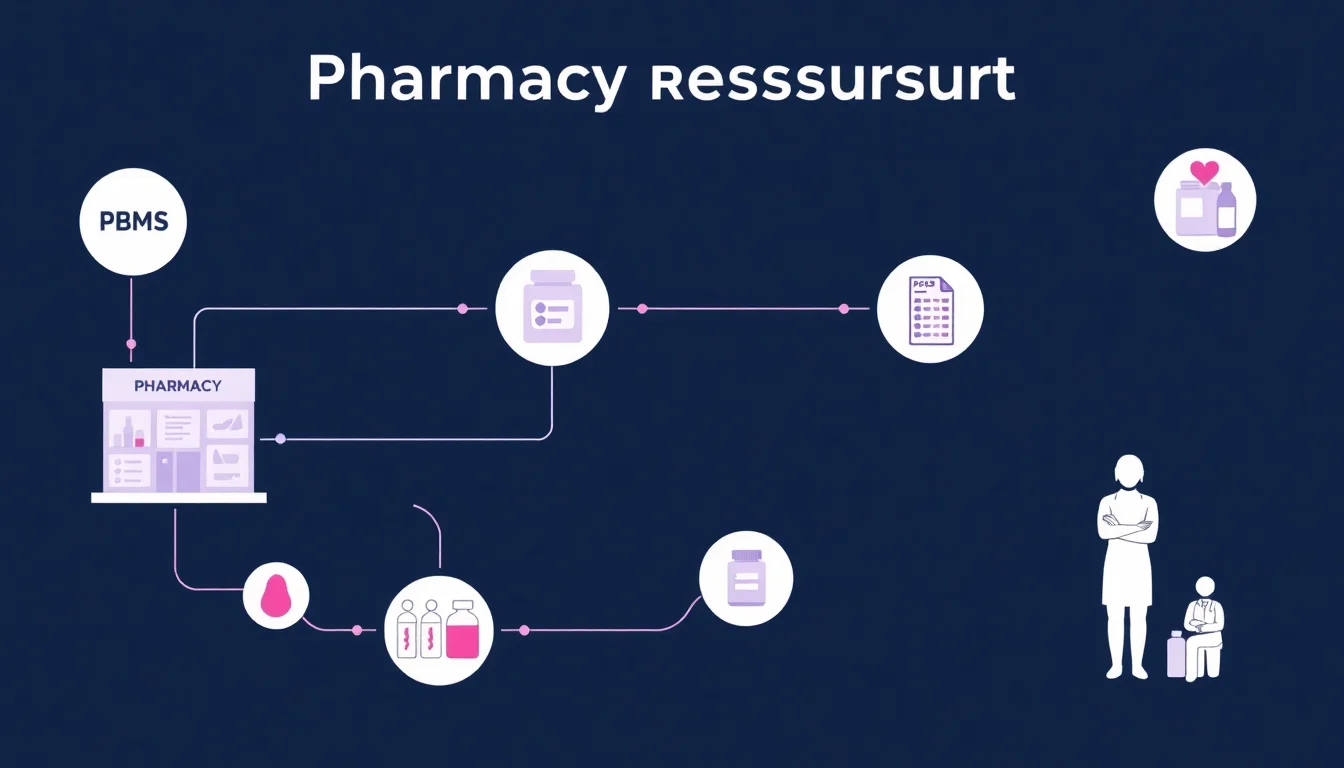
The proposed PBM reforms address several longstanding concerns within the pharmaceutical distribution system. Central to these changes are provisions aimed at increasing transparency in drug pricing and reimbursement calculations, restricting certain fees that PBMs can charge pharmacies, and establishing new standards for pharmacy network adequacy.
Industry analysts note that the reforms specifically target several practices that have generated controversy:
- Spread pricing limitations: New restrictions on the difference between what PBMs charge health plans and what they reimburse pharmacies
- DIR fee reforms: Changes to direct and indirect remuneration fees that have previously reduced pharmacy reimbursement retroactively
- Transparency requirements: Mandates for clearer disclosure of pharmacy reimbursement calculations and contract terms
- Anti-steering provisions: Restrictions on PBM practices that direct patients away from preferred pharmacy providers
- Network adequacy standards: Requirements ensuring sufficient pharmacy access in all geographic areas
According to healthcare policy experts, these provisions collectively represent a fundamental rebalancing of power dynamics within the pharmaceutical supply chain. For pharmacies that have struggled with razor-thin margins and unpredictable reimbursement, the changes could provide much-needed financial stability—though implementation challenges remain significant.
Impact on Independent vs. Chain Pharmacy Operations
The reforms are expected to affect independent pharmacies and large chains differently, creating a complex competitive landscape. Independent pharmacies, which have faced mounting financial pressure in recent years, may benefit significantly from increased reimbursement transparency and restrictions on retroactive fee clawbacks. Many independent operators have reported that unpredictable DIR fees and below-cost reimbursement have made financial planning nearly impossible.
Chain pharmacies, while better positioned to absorb margin pressures due to their scale and diversified revenue streams, will also need to adapt their business models. Analysts suggest that major chains may need to restructure their pharmacy operations to focus more heavily on clinical services and patient care programs rather than relying primarily on dispensing volume for profitability.
The reforms may also accelerate ongoing consolidation trends within the pharmacy industry, as smaller operators seek the stability of larger networks while maintaining their community presence. For patients considering medication options and supplement interactions, these structural changes could ultimately improve access to pharmacist consultation and personalized care services.
Reimbursement Model Evolution and Financial Implications
Perhaps the most significant aspect of PBM reform involves the evolution from volume-based dispensing reimbursement toward value-based pharmacy services. This shift aligns with broader healthcare trends emphasizing outcomes over transactions, but requires pharmacies to develop new capabilities and revenue streams.
Financial analysts project that pharmacies will need to invest in clinical infrastructure, including medication therapy management programs, chronic disease management services, and enhanced patient counseling capabilities. These services, which may receive separate reimbursement under reformed payment structures, could become primary profit centers as traditional dispensing margins compress.
The timeline for implementation remains uncertain, with various state-level reforms advancing at different paces and federal legislation still under development. However, industry experts emphasize that pharmacy operators should begin strategic planning now, as the directional shift toward greater transparency and accountability appears irreversible regardless of specific legislative details.
Looking Ahead: Strategic Considerations for Stakeholders
As PBM reform legislation continues to advance, pharmacy operators face critical strategic decisions about their business models and service offerings. The transition period will likely create both opportunities and challenges, with success depending largely on how quickly pharmacies can adapt to new reimbursement structures and competitive dynamics.
For patients, these changes may ultimately improve access to pharmacist expertise and create stronger relationships with their pharmacy providers. Enhanced transparency in drug pricing could also help patients make more informed decisions about their medication regimens and supplement selections, particularly as pharmacists gain additional time and resources to provide comprehensive medication reviews.
Healthcare systems and payers will need to adjust their pharmacy networks and contracts to comply with new regulations while ensuring continued patient access. The reforms may also create opportunities for innovative payment models that better align incentives across the pharmaceutical supply chain.
Industry observers suggest that while the transition may prove challenging, the long-term outlook for pharmacy practice could be considerably brighter, with sustainable business models that support both pharmacy viability and enhanced patient care. The coming months will be critical as stakeholders work to understand the full implications of these reforms and position themselves for success in a transformed pharmacy landscape.
Check Your Supplement Interactions
Use our AI-powered checker to analyze supplement safety and interactions.
Open Interaction Checker →Comments (0)
This article is for informational purposes only and does not constitute medical or investment advice. It was written with AI assistance from the sources listed above. Check the original sources before relying on any detail.