Novo Nordisk Recalls Ozempic Pens Over Dosing Defect Concerns
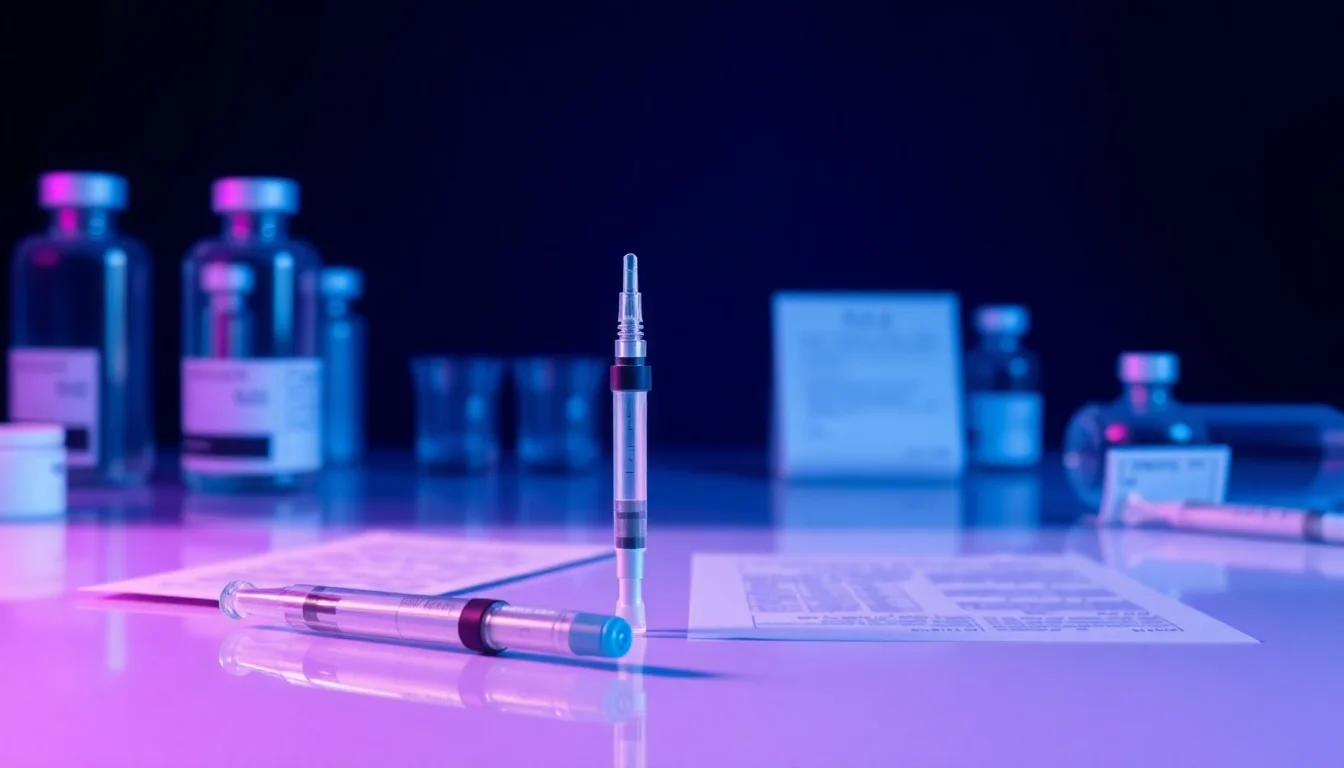
Novo Nordisk has initiated a recall of certain batches of Ozempic (semaglutide) injection pens across multiple international markets following the identification of a manufacturing defect that could potentially deliver incorrect doses to patients. The recall affects thousands of patients globally and comes at a time when the Danish pharmaceutical giant has been rapidly scaling production to meet unprecedented demand for its GLP-1 receptor agonist medications.
The dosing mechanism defect, identified through post-market surveillance and patient reports, involves a component within the pen injector that may fail to deliver the prescribed dose accurately. According to company statements, the issue affects specific manufacturing lots produced during a period of accelerated production, though Novo Nordisk has not disclosed the exact number of affected units or the complete list of markets involved in the recall.
Understanding the Manufacturing Challenge
Ozempic, approved for type 2 diabetes management, has become one of the pharmaceutical industry's most prescribed medications in recent years. The surge in demand—amplified by off-label use for weight management before the approval of Wegovy (a higher-dose semaglutide formulation)—has pushed Novo Nordisk's manufacturing operations to unprecedented levels.
Industry analysts note that the rapid production scale-up required to meet this demand has created quality control challenges across the GLP-1 manufacturing landscape. The complex pen injector devices used for semaglutide delivery involve multiple precision components that must work in concert to deliver exact doses ranging from 0.25 mg to 2 mg per injection.
Key factors contributing to the quality control challenge include:
- Production volumes increasing by over 300% compared to pre-2022 levels
- Complex multi-component pen injector systems requiring precise calibration
- Multiple contract manufacturing partners brought online to expand capacity
- Pressure to prevent supply shortages in a highly competitive GLP-1 market
Patient Safety and Clinical Implications
For patients currently using Ozempic, the dosing defect raises important safety considerations. Underdosing could result in inadequate glycemic control for diabetes patients, potentially leading to elevated blood sugar levels and increased risk of diabetic complications. Conversely, overdosing—though less likely given the mechanism of the reported defect—could increase the risk of gastrointestinal side effects and hypoglycemia, particularly in patients using Ozempic alongside other diabetes medications.
Healthcare providers are being advised to counsel affected patients on checking their batch numbers against recall lists and monitoring their blood glucose levels more frequently until replacement pens are obtained. Patients can verify if their medication is affected by visiting their pharmacy or checking PharmoniQ's supplement and medication safety checker for the latest recall information.
The recall also highlights broader concerns about medication delivery device reliability during periods of manufacturing stress. Similar issues have emerged across the pharmaceutical industry when production is rapidly scaled, from insulin pens to auto-injectors for biologics.
Industry Response and Quality Assurance
Novo Nordisk has emphasized its commitment to patient safety and stated that it is working with regulatory authorities across affected markets to manage the recall efficiently. The company is implementing additional quality control checkpoints in its manufacturing process and conducting a comprehensive review of its pen injector supply chain.
Regulatory agencies, including the FDA and European Medicines Agency, are monitoring the situation closely. The recall is classified as a Class II event in markets using FDA classification systems, indicating that use of the affected product may cause temporary or medically reversible adverse health consequences, though the probability of serious adverse health consequences is considered remote.
Competitors in the GLP-1 space, including Eli Lilly with its tirzepatide products (Mounjaro and Zepbound), may see temporary market share gains as healthcare providers and patients seek alternative therapies during the recall period. However, industry experts caution that the entire GLP-1 category faces similar manufacturing scale-up pressures.
Looking Ahead: Manufacturing in the GLP-1 Era
This recall serves as a watershed moment for pharmaceutical manufacturing quality assurance in an era of blockbuster peptide therapies. As demand for GLP-1 medications continues to grow—with analysts projecting the market to exceed $100 billion globally by 2030—manufacturers face the dual challenge of expanding capacity while maintaining rigorous quality standards.
The incident is likely to prompt increased regulatory scrutiny of manufacturing processes for combination products like pre-filled injection pens, particularly when production volumes are being rapidly expanded. It may also accelerate investment in automated quality control systems and real-time monitoring technologies that can detect device defects before products reach patients.
For patients and healthcare providers, the recall underscores the importance of vigilance in medication management and the value of tools like PharmoniQ's safety verification system to stay informed about product recalls and safety updates. As the pharmaceutical industry continues to innovate and scale production of life-changing therapies, maintaining the highest quality standards remains paramount to patient safety and public trust.
Check Your Supplement Interactions
Use our AI-powered checker to analyze supplement safety and interactions.
Open Interaction Checker →Comments (0)
This article is for informational purposes only and does not constitute medical or investment advice. It was written with AI assistance from the sources listed above. Check the original sources before relying on any detail.