MHRA Expands Yellow Card System for Medical Device Reporting
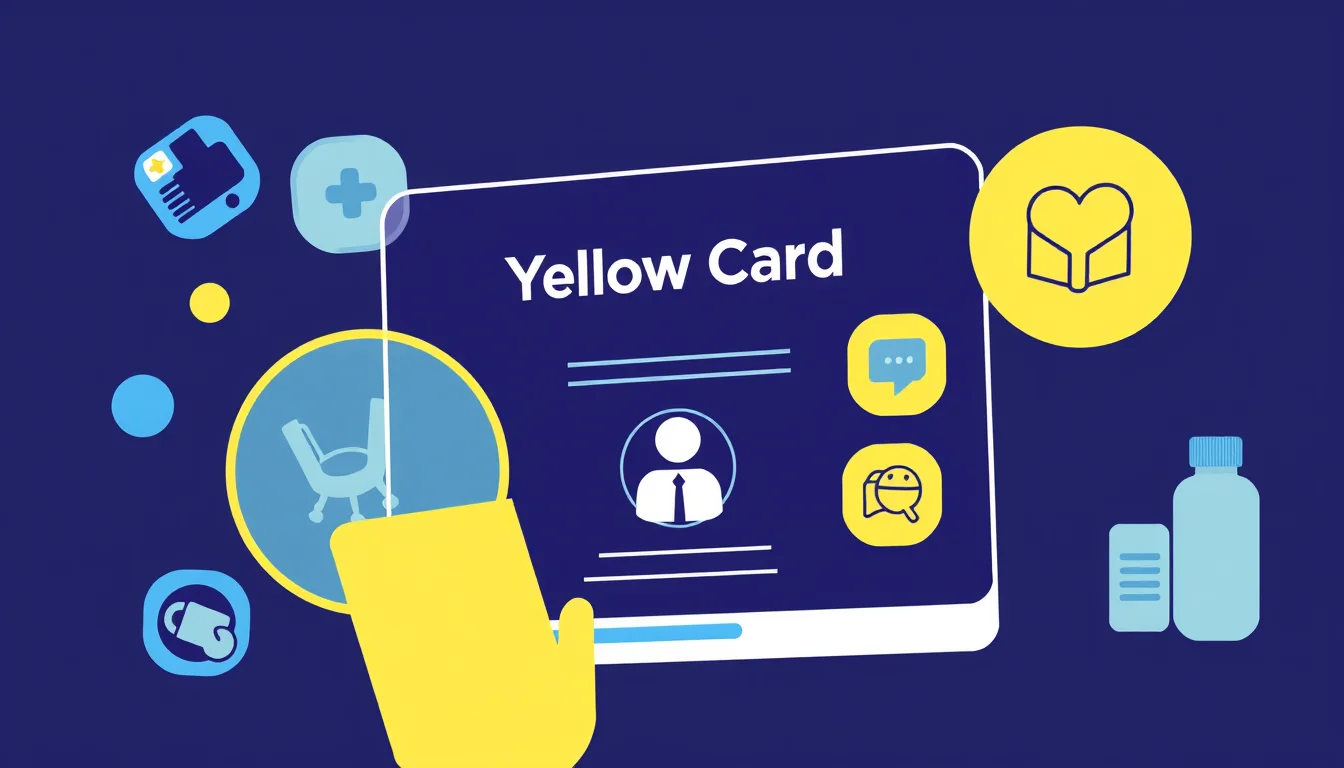
The UK's Medicines and Healthcare products Regulatory Agency (MHRA) is intensifying efforts to strengthen post-market surveillance of medical devices through its established Yellow Card reporting system, signaling a broader regulatory shift toward comprehensive real-world safety monitoring that extends well beyond traditional clinical trial environments.
The Yellow Card scheme, which has served as the UK's primary pharmacovigilance platform for reporting suspected adverse drug reactions to medicines and vaccines, now actively encompasses medical device incident reporting as a core function. This expansion reflects growing recognition among regulatory authorities that effective safety surveillance requires robust mechanisms for capturing adverse events across all categories of healthcare products once they reach patients and practitioners.
Evolution of Post-Market Surveillance
The MHRA's enhanced focus on medical device reporting through Yellow Card represents a significant evolution in regulatory oversight. Historically, pharmaceutical adverse event reporting systems have been more established and systematically implemented than those for medical devices, despite devices representing an equally critical component of patient care. The agency's current initiative addresses this gap by:
- Integrating medical device incident reporting into the same accessible platform used for medicines and vaccines
- Promoting awareness among healthcare professionals about the importance of device-related adverse event reporting
- Establishing clearer pathways for patients and caregivers to report suspected device incidents directly
- Strengthening signal detection capabilities across both pharmaceutical and device portfolios
According to industry analysts, this integrated approach allows regulatory authorities to develop more comprehensive safety profiles for healthcare products, particularly important as combination products and drug-device systems become increasingly prevalent in modern medicine.
Regulatory Context and International Alignment
The MHRA's emphasis on medical device reporting aligns with broader international trends in post-market surveillance. Following the implementation of the Medical Device Regulation (MDR) in the European Union and similar regulatory modernization efforts globally, authorities are placing greater emphasis on lifecycle safety monitoring that extends throughout a product's commercial lifespan.
The Yellow Card system's dual functionality for pharmaceuticals and medical devices creates operational efficiencies while ensuring consistent safety standards across product categories. Healthcare professionals can now use a single, familiar reporting mechanism for all suspected adverse events, potentially increasing reporting rates and improving the quality of safety data collected.
Regulatory experts note that enhanced medical device reporting is particularly timely given the rapid innovation in areas such as implantable devices, digital health technologies, and AI-enabled diagnostic tools. These emerging technologies require vigilant post-market monitoring to identify safety signals that may not have been apparent during pre-market evaluation.
Implications for Healthcare Professionals and Industry
For healthcare professionals, the expanded Yellow Card system represents both an opportunity and a responsibility. Clinicians are encouraged to report not only unexpected adverse reactions to medications but also any incidents involving medical devices, including malfunctions, use errors, and suspected device-related patient harm. This reporting helps build the evidence base for safety decisions and regulatory actions.
Pharmaceutical and medical device manufacturers are also impacted by this enhanced surveillance infrastructure. Companies must ensure robust pharmacovigilance and device vigilance systems that can rapidly assess and report adverse events to the MHRA. The integrated reporting system may facilitate earlier identification of safety signals, potentially triggering investigations, label updates, or in severe cases, product recalls.
The MHRA's promotion of the Yellow Card system also serves an educational function, reminding stakeholders that safety monitoring is a shared responsibility extending beyond manufacturers to include healthcare providers, patients, and caregivers. When evaluating supplements and over-the-counter products, consumers can use resources like PharmoniQ's Supplement Checker to understand ingredients and potential interactions, complementing formal adverse event reporting systems.
Looking Ahead: The Future of Integrated Safety Surveillance
The MHRA's emphasis on comprehensive adverse event reporting through Yellow Card signals a future where pharmacovigilance and device vigilance are increasingly integrated. As healthcare products become more complex and combination therapies more common, regulatory authorities worldwide are likely to adopt similar unified reporting frameworks.
Industry observers anticipate that enhanced data collection through systems like Yellow Card will enable more sophisticated safety signal detection using advanced analytics and artificial intelligence. These technologies could identify previously unrecognized safety patterns across diverse product categories, improving patient protection and informing regulatory decision-making.
For patients and healthcare consumers, the expansion represents increased regulatory commitment to real-world safety monitoring. While clinical trials provide essential pre-market safety data, post-market surveillance systems capture adverse events in broader, more diverse patient populations using products in routine clinical practice—circumstances that often reveal safety issues not apparent in controlled trial settings.
The MHRA's continued promotion of Yellow Card reporting for both pharmaceuticals and medical devices underscores that effective safety surveillance depends on active participation from all healthcare stakeholders, creating a more responsive and comprehensive system for protecting patient safety in an increasingly complex therapeutic landscape.
Check Your Supplement Interactions
Use our AI-powered checker to analyze supplement safety and interactions.
Open Interaction Checker →Comments (0)
This article is for informational purposes only and does not constitute medical or investment advice. It was written with AI assistance from the sources listed above. Check the original sources before relying on any detail.