Iran Crisis Exposes Pharmaceutical Supply Chain Vulnerabilities
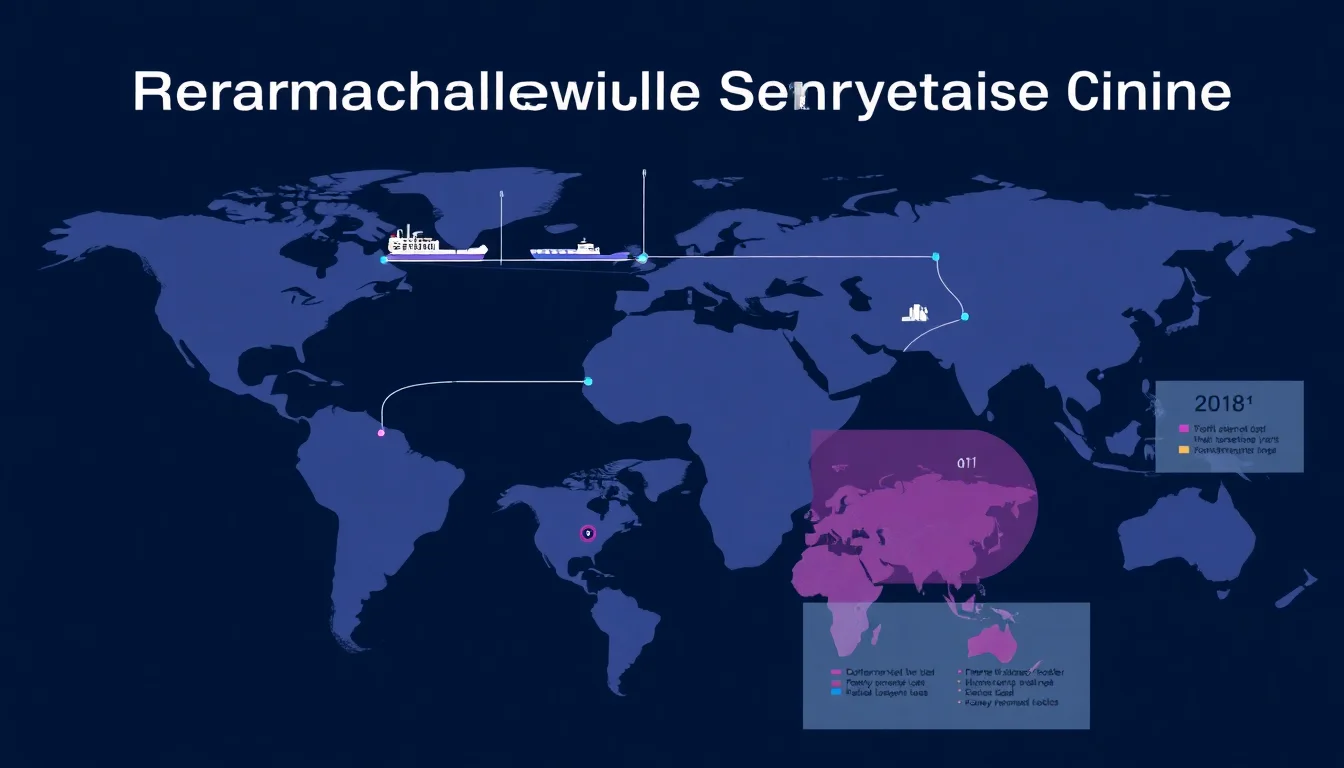
The escalating geopolitical crisis in Iran has emerged as a critical stress test for the global pharmaceutical industry, exposing significant vulnerabilities in supply chain resilience that regulators and manufacturers have long warned about but failed to adequately address. As oil flows through the Strait of Hormuz—a chokepoint carrying approximately 25% of global seaborne crude—face unprecedented disruption, pharmaceutical companies are confronting cascading risks that threaten drug availability across multiple therapeutic categories.
Supply Chain Disruption Creates Immediate Risks
The conflict's impact on pharmaceutical operations extends far beyond simple fuel costs. Industry analysts note that the crisis has created a multi-layered threat to drug manufacturing and distribution networks that rely heavily on petroleum-based inputs and energy-intensive production processes. According to supply chain experts, the pharmaceutical industry faces three critical pressure points:
- Raw material availability: Many active pharmaceutical ingredients (APIs) and excipients depend on petrochemical feedstocks, with production facilities concentrated in regions now facing energy supply uncertainty
- Transportation bottlenecks: Rising fuel costs and route disruptions are forcing companies to seek alternative shipping lanes, adding 7-14 days to delivery timelines for temperature-sensitive biologics
- Manufacturing energy costs: Sterile production facilities and cold chain infrastructure require continuous power, with energy expenses now representing up to 18% of production costs for some manufacturers
The timing proves particularly concerning as the industry enters the second quarter, traditionally a period of inventory restocking following seasonal demand fluctuations. Several mid-sized pharmaceutical manufacturers have already reported delays in receiving critical chemical precursors from Asian suppliers, according to industry trade groups.
Regulatory Response and Policy Implications
The crisis has prompted urgent discussions among regulators in the United States, European Union, and other major markets about strengthening supply chain resilience requirements. The FDA's Drug Shortages Task Force convened emergency sessions this week to assess potential impacts on critical medications, particularly those with limited manufacturing redundancy.
Regulatory experts indicate that policymakers are now seriously considering several structural reforms that have languished in development for years. These include mandatory supply chain mapping requirements for essential medicines, strategic stockpiling programs for critical APIs, and incentives for domestic manufacturing of vulnerable drug categories. The European Medicines Agency has signaled it may accelerate implementation of its pharmaceutical strategy focused on reducing external dependencies.
"This geopolitical shock serves as a wake-up call that our just-in-time supply chain model creates unacceptable risks for patient access to essential medicines," noted one regulatory policy specialist familiar with ongoing discussions. The crisis may finally provide the political momentum needed to implement costly but necessary supply chain redundancy measures.
Industry Adaptation and Long-Term Implications
Major pharmaceutical companies are rapidly reassessing their supply chain strategies in response to the developing situation. Several large manufacturers have activated business continuity protocols, including expedited shipments via air freight despite significantly higher costs, and are exploring alternative sourcing arrangements for petroleum-derived materials.
The crisis has also accelerated interest in supply chain diversification initiatives that were already underway. Companies are evaluating nearshoring opportunities for API production and exploring partnerships with regional manufacturers to create redundant production capacity. Some firms are fast-tracking investments in green chemistry approaches that reduce dependence on petrochemical inputs, though these transitions require multi-year timelines.
Smaller specialty pharmaceutical companies face particularly acute challenges, as they typically lack the financial resources and supply chain flexibility of larger competitors. Industry observers note this could drive consolidation in certain therapeutic segments as smaller players struggle to maintain reliable operations during sustained geopolitical uncertainty.
Looking Ahead: Building Resilient Supply Networks
The pharmaceutical industry's response to this crisis will likely shape supply chain strategy for the next decade. While immediate disruptions may ease if geopolitical tensions stabilize, the structural vulnerabilities exposed by the Iran conflict demand sustained attention and investment.
Healthcare stakeholders should monitor several key developments in coming months: regulatory proposals for supply chain transparency and resilience requirements, pharmaceutical industry capital allocation toward manufacturing redundancy, and potential drug shortage declarations that may trigger emergency importation protocols.
For patients and healthcare providers concerned about medication availability, PharmoniQ's supplement and medication interaction checker can help identify alternative therapeutic options when supply disruptions affect specific medications. As supply chains adapt to this new geopolitical reality, staying informed about supplement alternatives and pharmaceutical developments becomes increasingly important for maintaining treatment continuity.
The Iran crisis serves as a stark reminder that pharmaceutical supply chains represent critical infrastructure requiring the same level of strategic planning and redundancy as energy and food systems. Whether industry and regulators rise to meet this challenge will determine the sector's resilience in an era of increasing geopolitical volatility.
Check Your Supplement Interactions
Use our AI-powered checker to analyze supplement safety and interactions.
Open Interaction Checker →Comments (0)
This article is for informational purposes only and does not constitute medical or investment advice. It was written with AI assistance from the sources listed above. Check the original sources before relying on any detail.