International Harmonization of Supplement Regulations Gains Momentum
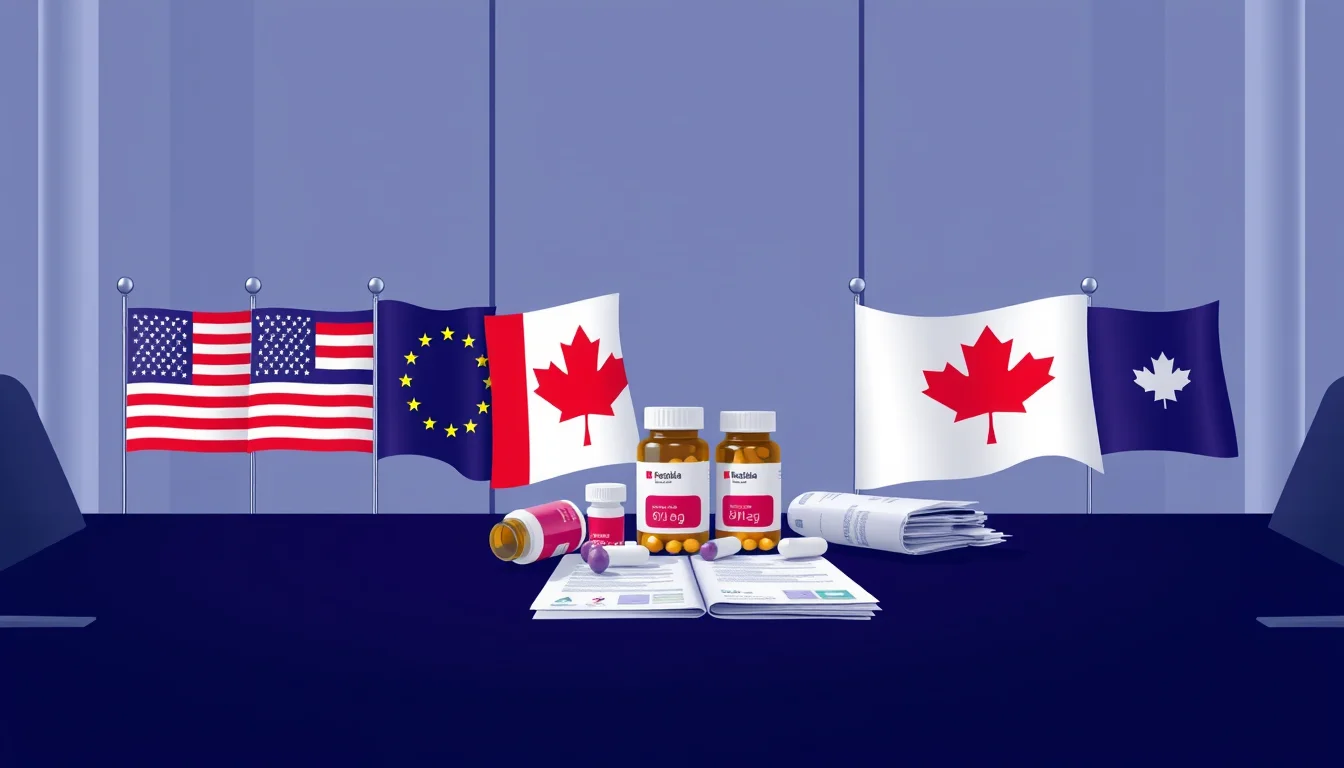
Regulatory authorities across major pharmaceutical markets are making significant strides toward harmonizing dietary supplement standards, a development that could reshape the $177 billion global supplement industry. Recent coordination efforts between the FDA, European Medicines Agency (EMA), and Health Canada signal a new era of cross-border regulatory alignment aimed at improving product safety and facilitating international commerce.
Framework for Global Alignment Takes Shape
The International Conference on Harmonisation of Technical Requirements for Pharmaceuticals for Human Use (ICH) has expanded its scope to include dietary supplements in preliminary discussions, according to industry analysts. This marks a departure from the historically fragmented approach to supplement regulation, where each jurisdiction maintained distinct standards for testing, labeling, and safety verification.
Key elements of the proposed harmonization framework include:
- Standardized ingredient identification systems to ensure consistent product labeling across borders
- Unified good manufacturing practice (GMP) requirements for supplement producers
- Mutual recognition agreements for third-party testing and certification
- Common adverse event reporting protocols to track safety signals globally
- Harmonized contamination thresholds for heavy metals and other contaminants
These initiatives build on existing pharmaceutical harmonization successes while addressing the unique challenges posed by botanical ingredients, proprietary blends, and traditional medicine formulations that dominate the supplement market.
Driving Forces Behind Regulatory Convergence
The push for harmonization stems from multiple converging factors. E-commerce has transformed supplement distribution, with cross-border online sales growing 34% annually over the past three years. This digital marketplace explosion has exposed regulatory gaps, as products manufactured under one jurisdiction's standards frequently reach consumers in markets with different safety requirements.
Recent contamination incidents involving supplements sold across multiple countries have also highlighted the need for coordinated oversight. Industry reports indicate that regulatory agencies spent an estimated $89 million last year investigating cross-border supplement safety issues—costs that harmonized standards could potentially reduce.
Major supplement manufacturers have voiced strong support for alignment efforts. "Navigating 47 different regulatory frameworks adds approximately 18-22% to our compliance costs," noted representatives from leading supplement trade associations. "Harmonization would allow us to redirect those resources toward quality improvements and innovation."
Consumers stand to benefit significantly from these developments. Tools like PharmoniQ's supplement verification system could become even more effective when backed by internationally consistent testing standards and labeling requirements.
Challenges and Regional Variations
Despite broad support, harmonization faces substantial obstacles. Traditional medicine ingredients approved in Asian markets often lack safety data meeting Western regulatory standards. Similarly, European restrictions on certain botanical extracts conflict with their widespread use in North American formulations.
The European Union's Novel Foods Regulation presents particular complexity, requiring pre-market authorization for ingredients without significant consumption history in Europe—a standard more stringent than FDA's Generally Recognized as Safe (GRAS) framework. Reconciling these fundamentally different regulatory philosophies will require careful negotiation and possible compromise from all parties.
Smaller supplement manufacturers have expressed concerns about implementation costs. "While we support better standards, transitioning to new international requirements could require capital investments many small producers cannot afford," industry stakeholders noted. Regulators are reportedly considering phased implementation timelines and technical assistance programs to address these equity concerns.
What This Means for the Industry
Looking ahead, regulatory experts predict that initial harmonization achievements could emerge within 18-24 months, likely focusing on heavy metal testing standards and basic labeling requirements—areas where consensus already exists. More contentious issues, including ingredient approval pathways and health claim substantiation standards, may require additional years of negotiation.
The pharmaceutical industry's experience with ICH harmonization offers an encouraging precedent. Over 25 years, pharmaceutical harmonization reduced average drug development costs by an estimated 15-20% while maintaining or improving safety standards. Similar efficiencies could transform supplement development and distribution.
For consumers navigating the current fragmented landscape, verification tools remain essential. Checking supplement quality through independent testing and regulatory compliance becomes particularly important during this transitional period, as harmonized standards gradually take effect.
As these regulatory developments unfold, the supplement industry stands at a potential inflection point—one that could deliver enhanced consumer protection, reduced compliance burdens, and more efficient global commerce while preserving the innovation and accessibility that characterize this dynamic sector.
Check Your Supplement Interactions
Use our AI-powered checker to analyze supplement safety and interactions.
Open Interaction Checker →Comments (0)
This article is for informational purposes only and does not constitute medical or investment advice. It was written with AI assistance from the sources listed above. Check the original sources before relying on any detail.