GSK Acquires Nuvalent in Major Oncology Precision Medicine Deal
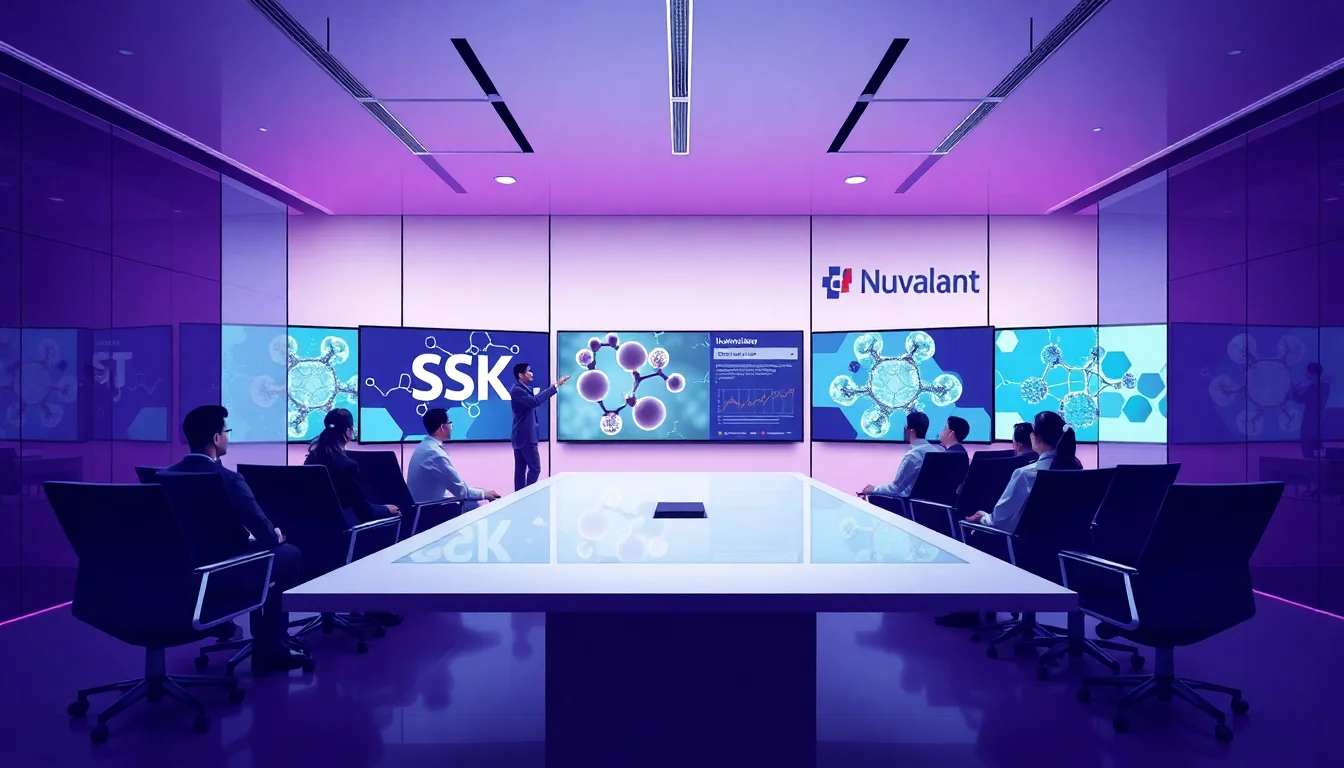
GlaxoSmithKline has announced an agreement to acquire Nuvalent, Inc., a Boston-based clinical-stage biopharmaceutical company specializing in precision oncology therapeutics. The deal represents a strategic expansion of GSK's oncology portfolio, particularly in the rapidly evolving field of targeted cancer treatments for patients with specific genetic mutations.
According to industry analysts, this acquisition underscores the pharmaceutical sector's sustained appetite for promising clinical-stage assets, even as companies navigate broader economic uncertainties. The transaction comes as part of an unprecedented wave of biotech mergers and acquisitions that has characterized the current market landscape, with oncology-focused companies commanding premium valuations.
Strategic Focus on Precision Oncology
Nuvalent's pipeline centers on highly selective kinase inhibitors designed to treat cancers driven by ROS1 and ALK genetic alterations. These molecular targets represent validated pathways in non-small cell lung cancer (NSCLC) and other solid tumors, affecting thousands of patients who develop resistance to existing therapies or experience central nervous system progression.
The acquisition brings GSK several clinical-stage candidates, including compounds in Phase 1 and Phase 2 development. According to company disclosures, Nuvalent's lead programs have demonstrated promising early clinical data in patients whose cancers have progressed on currently available targeted therapies. This addresses a critical unmet medical need, as resistance mechanisms often limit the durability of first- and second-generation kinase inhibitors.
Key aspects of Nuvalent's pipeline include:
- Next-generation ROS1 inhibitors designed to overcome resistance mutations
- Brain-penetrant ALK inhibitors targeting CNS metastases
- Selective kinase inhibition profiles aimed at reducing off-target toxicities
- Clinical programs enrolling patients with treatment-refractory disease
Market Context and Industry Implications
The pharmaceutical industry has witnessed a surge in merger and acquisition activity, with biotech deals reportedly reaching over $100 billion in value. Oncology assets, particularly those leveraging precision medicine approaches, have emerged as premium acquisition targets. Several factors are driving this trend, according to market observers.
First, major pharmaceutical companies face significant patent expirations on blockbuster drugs over the next several years, creating pressure to replenish pipelines with innovative assets. Oncology remains one of the highest-value therapeutic areas, with targeted therapies commanding strong reimbursement and demonstrating clinical differentiation.
Second, the integration of biomarker-driven patient selection has transformed oncology development, allowing smaller indications with high unmet need to achieve commercial viability. Companies like Nuvalent that focus on genetically defined patient populations align with this precision medicine paradigm.
Third, clinical-stage acquisitions allow large pharmaceutical companies to access innovation while managing research and development risk. By acquiring assets that have demonstrated proof-of-concept in early trials, acquirers gain visibility into potential regulatory pathways and commercial opportunities.
GSK's Oncology Strategy
For GSK, the Nuvalent acquisition reinforces a strategic commitment to oncology following several years of portfolio optimization. The company has been actively reshaping its business through divestitures and targeted acquisitions, focusing resources on areas with strong scientific rationale and commercial potential.
Industry analysts note that precision oncology fits GSK's broader emphasis on specialty medicines and innovative modalities. The company's existing oncology franchise includes both approved therapies and clinical-stage programs, and the addition of Nuvalent's kinase inhibitor expertise expands capabilities in targeted small molecules.
The deal also positions GSK to compete more effectively in the crowded but lucrative NSCLC market, where multiple pharmaceutical companies are developing next-generation targeted therapies. With lung cancer remaining the leading cause of cancer-related mortality globally, therapies that extend survival in genetically defined subsets command significant market interest.
Looking Ahead: Implications for Precision Medicine
This transaction signals continued momentum in precision oncology, where identifying the right drug for the right patient based on tumor genetics has become standard of care. As genomic profiling becomes more routine in clinical practice, pharmaceutical companies are investing heavily in therapies targeting specific molecular alterations.
For patients with ROS1- and ALK-positive cancers, the acquisition may accelerate development timelines and expand clinical trial access. GSK's global development infrastructure and regulatory expertise could potentially expedite the path to approval for Nuvalent's pipeline candidates.
Healthcare professionals and patients can stay informed about emerging precision oncology therapies through resources like the PharmoniQ Supplement Checker, which provides evidence-based information on treatment options and drug interactions.
The broader pharmaceutical industry will likely continue to see robust M&A activity as companies seek to secure innovative assets in high-value therapeutic areas. Precision medicine, with its promise of improved efficacy and reduced toxicity through targeted patient selection, remains at the forefront of this strategic imperative.
Check Your Supplement Interactions
Use our AI-powered checker to analyze supplement safety and interactions.
Open Interaction Checker →Comments (0)
This article is for informational purposes only and does not constitute medical or investment advice. It was written with AI assistance from the sources listed above. Check the original sources before relying on any detail.