GLP-1 Powder Supplements Spark Safety Concerns Amid Regulatory Gap
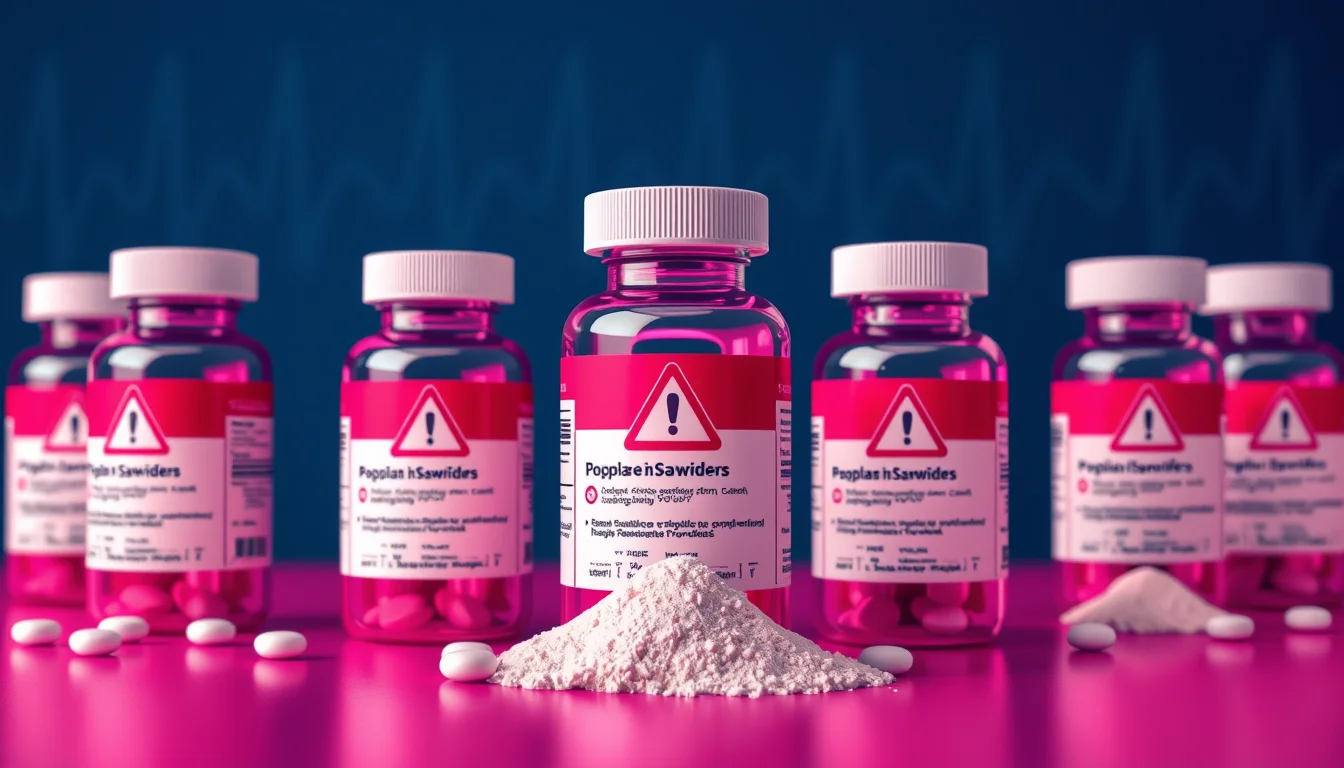
Healthcare professionals and regulatory experts are raising urgent concerns about a wave of unregulated GLP-1 powder supplements entering the dietary supplement market, as consumer demand for weight-loss products intensifies during ongoing shortages of FDA-approved GLP-1 medications like Ozempic and Wegovy.
These powdered products, marketed as dietary supplements rather than pharmaceutical drugs, exploit a regulatory gray area that allows manufacturers to sidestep the rigorous safety and efficacy testing required for prescription medications. According to industry analysts, the trend represents a significant consumer safety challenge at the intersection of pharmaceutical innovation and supplement regulation.
The Regulatory Gap Fueling Market Growth
Under current FDA frameworks, dietary supplements face far less stringent oversight than prescription drugs. While pharmaceutical GLP-1 agonists undergo years of clinical trials involving thousands of participants, supplement manufacturers can bring GLP-1-related products to market without demonstrating efficacy or conducting comprehensive safety studies.
This regulatory distinction has created what experts describe as a dangerous knowledge vacuum. "We have virtually no data on the safety profile, appropriate dosing, or actual efficacy of these powder supplements claiming GLP-1 activity," notes one pharmaceutical safety researcher. "Consumers may be taking substances with unknown purity, potency, or even identity."
The surge in these products coincides with well-documented shortages of FDA-approved semaglutide and tirzepatide medications, which have seen explosive demand for weight management and diabetes treatment. Market observers report that consumers frustrated by medication unavailability or high costs are increasingly turning to supplement alternatives they discover through social media and online retailers.
Key Safety Concerns Identified by Experts
Healthcare professionals have outlined several critical risks associated with unregulated GLP-1 powder supplements:
- Unknown ingredient composition: Without third-party verification, products may contain unlisted substances, contaminants, or incorrect concentrations of active ingredients
- Lack of dosing guidance: Appropriate GLP-1 dosing requires medical supervision and gradual titration; supplements provide no evidence-based protocols
- Potential drug interactions: GLP-1 compounds can interact with diabetes medications, causing dangerous blood sugar fluctuations
- Absence of contraindication screening: Prescription GLP-1s have specific contraindications; supplement users bypass medical evaluation
- Quality control gaps: Manufacturing standards for supplements don't match pharmaceutical-grade production requirements
The situation differs markedly from previous supplement safety issues. While other weight-loss supplements have faced recalls for containing undeclared pharmaceutical ingredients, these GLP-1 powders exist in an even murkier zone—marketed with peptide-related claims but without clear regulatory classification.
Industry Response and Consumer Protection Efforts
Professional medical organizations have begun issuing guidance urging patients to avoid unregulated GLP-1 supplements and consult healthcare providers about evidence-based weight management options. Some advocacy groups are calling for FDA clarification on how these products should be classified and regulated.
Meanwhile, legitimate pharmaceutical manufacturers have expressed concern that unregulated products could undermine public confidence in clinically-validated GLP-1 therapies if safety incidents occur. The branded drug industry has invested billions in demonstrating the safety and efficacy of their products through rigorous trials—investments that supplement makers avoid entirely.
Consumers seeking to verify supplement quality can use tools like the PharmoniQ Supplement Checker to research products and understand potential risks before purchase. However, experts emphasize that verification tools cannot substitute for the clinical evidence lacking for these novel supplement categories.
What This Means for Consumers and Regulators
The proliferation of GLP-1 powder supplements represents a test case for how regulatory frameworks handle rapid innovation at the pharmaceutical-supplement boundary. As consumer interest in metabolic health interventions grows, the gap between supplement marketing claims and scientific evidence is likely to widen without policy intervention.
For consumers, the expert consensus remains clear: unregulated GLP-1 supplements carry unknown risks that likely outweigh any potential benefits. Those interested in GLP-1 therapy should work with healthcare providers to access FDA-approved medications or explore evidence-based alternatives while shortages persist.
Looking ahead, regulatory authorities may face pressure to establish clearer guidelines for peptide-related supplements or reclassify certain products as drugs requiring pre-market approval. Until such frameworks emerge, the burden falls on consumers to exercise extreme caution in a market where claims far exceed scientific validation.
Check Your Supplement Interactions
Use our AI-powered checker to analyze supplement safety and interactions.
Open Interaction Checker →Comments (0)
This article is for informational purposes only and does not constitute medical or investment advice. Content is generated with AI assistance and reviewed for accuracy.