FDA Targets Hangover Supplement Makers in Marketing Claims Crackdown
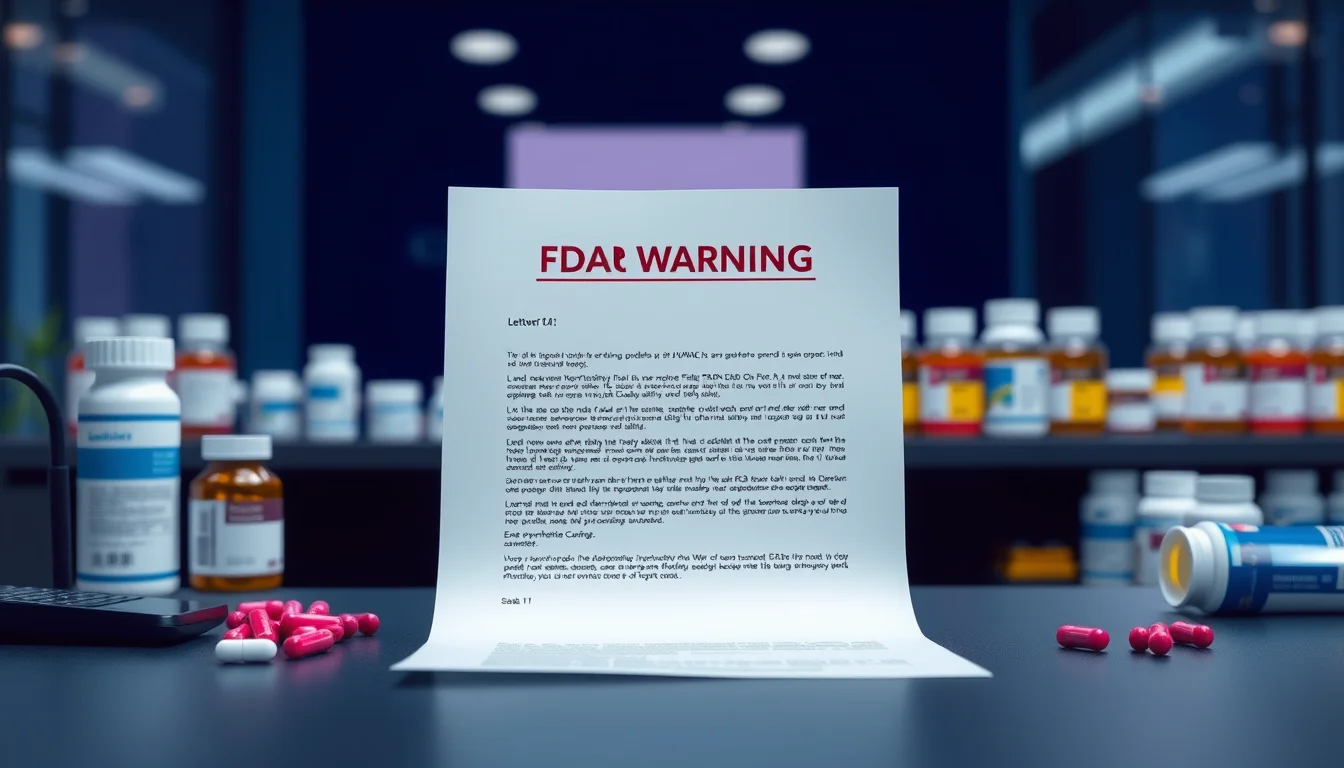
The Food and Drug Administration has issued warning letters to seven supplement manufacturers marketing hangover prevention and treatment products, marking a significant regulatory enforcement action targeting unsubstantiated therapeutic claims in the dietary supplement industry. The companies—Double Wood LLC, Ebnsol Inc., Vita Heaven LLC (operating as Hangover Heaven), Happy Hour Vitamins, and LES Labs—were cited for marketing products as drugs without proper approval, according to recent enforcement disclosures.
This coordinated enforcement action represents a notable shift in FDA scrutiny, focusing not on contamination or safety issues, but on the marketing claims themselves. The move underscores the agency's commitment to policing the boundary between dietary supplements and unapproved drugs, particularly in categories making bold therapeutic promises.
What Triggered the FDA Action
The warning letters center on products marketed with claims that they can prevent, treat, or cure hangovers—statements that classify these products as drugs under federal law. Unlike dietary supplements, which can only support normal bodily functions, drugs must undergo rigorous premarket approval demonstrating safety and efficacy for their intended use.
According to regulatory experts, the companies cited were making explicit therapeutic claims such as preventing alcohol-induced symptoms, treating hangover effects, or providing medical benefits beyond nutritional support. These claims cross the regulatory line that separates permissible supplement marketing from illegal drug marketing.
Key violations typically include:
- Claims that products prevent or treat hangover symptoms
- Assertions about reducing alcohol's physiological effects
- Therapeutic language suggesting medical treatment benefits
- Marketing materials implying FDA approval or clinical validation
The FDA's enforcement authority under the Federal Food, Drug, and Cosmetic Act allows the agency to take action against products marketed with disease claims, regardless of the actual ingredients involved. Even if a product contains generally recognized as safe (GRAS) ingredients, therapeutic marketing transforms it into an unapproved drug.
Industry Context and Market Dynamics
The hangover supplement category has experienced significant growth in recent years, driven by consumer demand for recovery products and the proliferation of direct-to-consumer marketing channels. Industry analysts estimate the global hangover supplement market has grown substantially, with products ranging from vitamin formulations to herbal extracts marketed for post-alcohol consumption.
This enforcement action arrives amid broader FDA efforts to address misleading supplement claims across multiple categories. While the agency has historically focused resources on contaminated products or those containing prohibited substances, recent enforcement patterns suggest increased attention to marketing compliance, particularly for products making specific health condition claims.
Regulatory attorneys note that supplement companies often operate in a gray area, using carefully worded marketing that attempts to suggest benefits without explicitly making drug claims. However, the FDA evaluates the totality of marketing materials—including website content, social media posts, customer testimonials, and product labels—when determining whether products are being marketed as drugs.
Companies can verify their supplement's compliance and check for potential regulatory issues using tools like PharmoniQ's supplement safety checker, which analyzes ingredients and flags potential regulatory concerns.
Compliance Requirements and Company Response
Warning letters typically require companies to respond within 15 business days, outlining specific corrective actions taken to address violations. Companies generally have several options: reformulate marketing to comply with supplement regulations, discontinue violating products, or pursue the new drug approval pathway—a costly and time-intensive process few supplement companies undertake.
For the cited companies, compliance likely means substantial marketing overhauls. Product claims must be revised to focus on nutritional support rather than therapeutic benefits, and websites, social media, and retail listings must be scrubbed of violating language. Some companies may choose to rebrand products entirely to distance themselves from previous marketing approaches.
The FDA warning letters also serve notice to the broader industry. Companies marketing similar products with comparable claims now face heightened risk of enforcement action. Industry observers expect some manufacturers to proactively revise marketing strategies rather than wait for FDA scrutiny.
Looking Ahead: Implications for Supplement Marketing
This enforcement action signals several important developments for the supplement industry. First, it demonstrates that the FDA continues to prioritize marketing compliance alongside traditional safety concerns. Second, it suggests the agency may be targeting specific product categories with problematic claim patterns, rather than solely responding to individual complaints.
For consumers, these warning letters highlight the importance of skepticism regarding bold supplement claims. Products marketed as hangover cures or preventions lack the clinical evidence required for such assertions. Consumers researching supplements should verify product claims and ingredient safety through independent resources, including comprehensive supplement databases that provide evidence-based information.
The broader supplement industry may see ripple effects as companies reassess marketing strategies for products in adjacent categories—energy supplements, recovery formulations, and condition-specific products all face similar regulatory boundaries. Expect increased investment in regulatory compliance and more conservative marketing approaches as companies seek to avoid FDA attention.
As regulatory enforcement continues to evolve, supplement manufacturers must navigate the complex distinction between permissible structure-function claims and prohibited disease claims. The hangover supplement crackdown serves as a clear reminder that aggressive marketing can trigger enforcement action regardless of ingredient safety, setting the stage for continued scrutiny across the dietary supplement sector.
Check Your Supplement Interactions
Use our AI-powered checker to analyze supplement safety and interactions.
Open Interaction Checker →Comments (0)
This article is for informational purposes only and does not constitute medical or investment advice. Content is generated with AI assistance and reviewed for accuracy.