FDA Recalls Online Sexual Enhancement Supplements With Hidden Rx Drugs
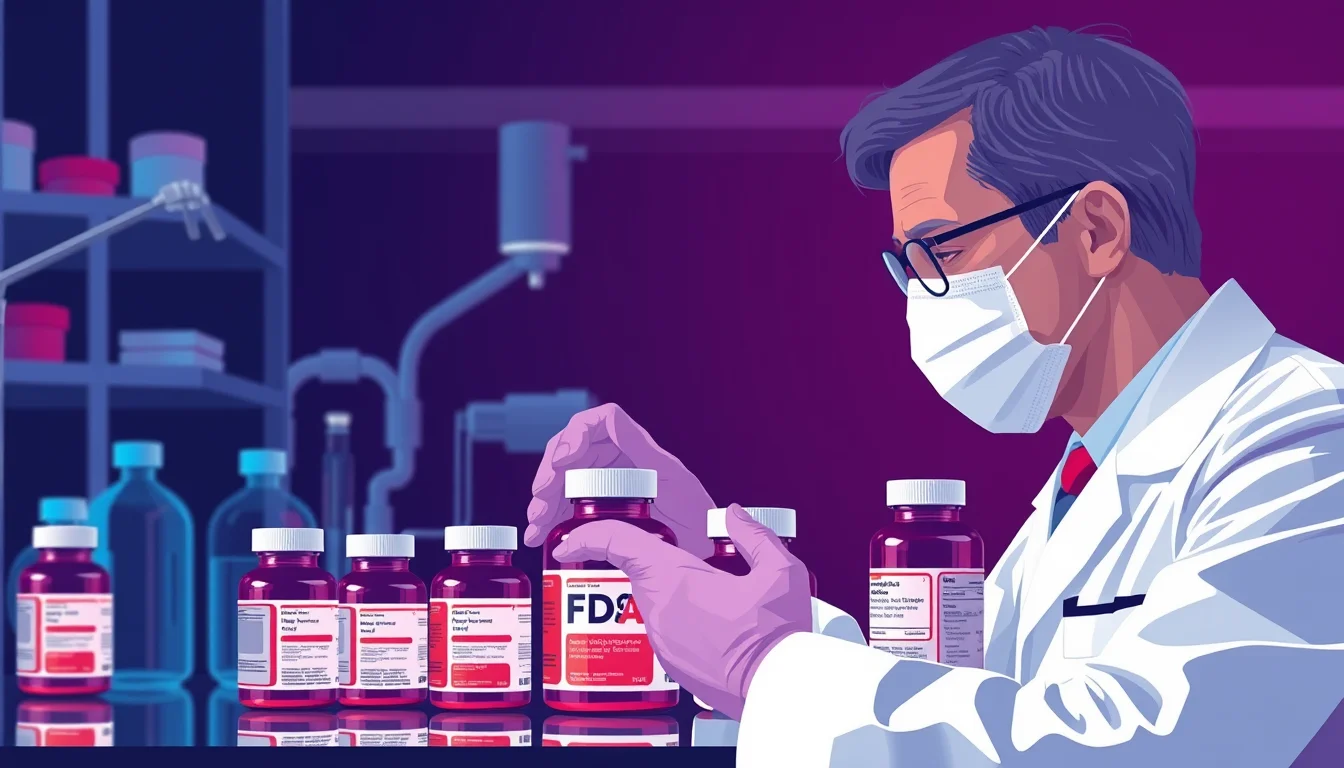
The Food and Drug Administration has issued mandatory recalls for multiple dietary supplements marketed for sexual enhancement after laboratory testing revealed the presence of undisclosed pharmaceutical ingredients sildenafil and tadalafil — the active compounds in prescription medications Viagra and Cialis.
The recall, announced through the FDA's ongoing Tainted Supplements program, affects products sold primarily through e-commerce platforms and represents a growing pattern of contaminated supplements reaching consumers through online retail channels that lack adequate quality control oversight.
Hidden Pharmaceutical Ingredients Pose Serious Health Risks
According to FDA laboratory analysis, the recalled products contain significant quantities of prescription-only phosphodiesterase type 5 (PDE5) inhibitors without disclosure on product labels. These pharmaceutical compounds are approved only under medical supervision due to their potential for serious adverse reactions.
The agency emphasized that consumers taking nitrate medications — commonly prescribed for chest pain and cardiovascular conditions — face potentially life-threatening interactions when unknowingly exposed to PDE5 inhibitors. The combination can cause dangerous drops in blood pressure, leading to stroke, heart attack, or sudden cardiac events.
Key health risks identified by the FDA include:
- Severe hypotension (dangerously low blood pressure) when combined with nitrate medications
- Adverse cardiovascular events in patients with pre-existing heart conditions
- Drug interactions with common medications including alpha-blockers and antihypertensives
- Unpredictable dosing risks due to unlabeled pharmaceutical quantities
- Contamination concerns from unregulated manufacturing processes
E-Commerce Platforms Create Regulatory Challenges
Industry analysts note that the recall highlights persistent challenges in regulating dietary supplements sold through online marketplaces. Unlike traditional retail channels where products undergo distributor vetting, e-commerce platforms enable direct-to-consumer sales that often bypass quality assurance protocols.
The FDA's testing initiative has identified contaminated sexual enhancement products as one of the most prevalent categories of tainted supplements in online commerce. Manufacturers frequently use deceptive marketing claiming "natural" or "herbal" formulations while incorporating undisclosed pharmaceutical ingredients to ensure product efficacy.
Regulatory experts point to the difficulty of enforcement across thousands of online vendors, many operating internationally beyond FDA jurisdiction. The agency has issued over 500 warning letters regarding tainted sexual enhancement supplements in recent years, yet contaminated products continue proliferating through digital retail channels.
Consumers can verify supplement safety and regulatory status using tools like the PharmoniQ Supplement Checker, which provides real-time FDA recall information and safety alerts for products sold online and in retail stores.
Industry Response and Manufacturing Standards
Trade organizations representing legitimate supplement manufacturers have called for enhanced platform accountability and stricter marketplace policies. The Council for Responsible Nutrition emphasized that reputable manufacturers follow Current Good Manufacturing Practices (cGMP) and conduct rigorous testing to prevent pharmaceutical contamination.
However, the economic incentives driving adulteration remain significant. Sexual enhancement supplements represent a multi-billion dollar market segment, and unscrupulous manufacturers gain competitive advantages by ensuring immediate product "effectiveness" through hidden pharmaceutical ingredients while marketing products at dietary supplement price points.
The FDA continues expanding its screening program, utilizing advanced analytical methods including high-performance liquid chromatography and mass spectrometry to detect undisclosed pharmaceutical compounds in suspect products.
Implications for Consumers and Regulatory Oversight
Looking ahead, regulatory experts anticipate the FDA will intensify collaboration with major e-commerce platforms to implement proactive screening mechanisms and remove non-compliant products before reaching consumers. Several platforms have begun requiring third-party testing certifications for supplement vendors, though implementation remains inconsistent.
Healthcare providers are advised to specifically question patients about dietary supplement use, particularly products marketed for sexual enhancement, weight loss, or bodybuilding — categories with historically high adulteration rates. The American College of Cardiology has issued guidance recommending that patients taking cardiovascular medications avoid supplements making performance or enhancement claims.
Consumers seeking legitimate sexual enhancement options should consult healthcare providers about FDA-approved prescription medications, which undergo rigorous safety testing and provide predictable dosing under medical supervision. For those exploring supplement options, resources like PharmoniQ's supplement database offer evidence-based information on ingredients with clinical research supporting their use.
The FDA emphasizes that consumers who have used recalled products and experience adverse reactions should report symptoms through the agency's MedWatch safety reporting system, which helps identify emerging patterns of contaminated supplements requiring regulatory intervention.
Check Your Supplement Interactions
Use our AI-powered checker to analyze supplement safety and interactions.
Open Interaction Checker →Comments (0)
This article is for informational purposes only and does not constitute medical or investment advice. Content is generated with AI assistance and reviewed for accuracy.