FDA Launches Real-Time Clinical Trials Pilot to Accelerate Approvals
The Food and Drug Administration announced Tuesday a transformative pilot program that could fundamentally reshape pharmaceutical development: real-time clinical trials that enable continuous data reporting and immediate regulatory feedback. The initiative, which has already initiated two proof-of-concept studies, represents the agency's most significant departure from traditional clinical trial methodologies in decades.
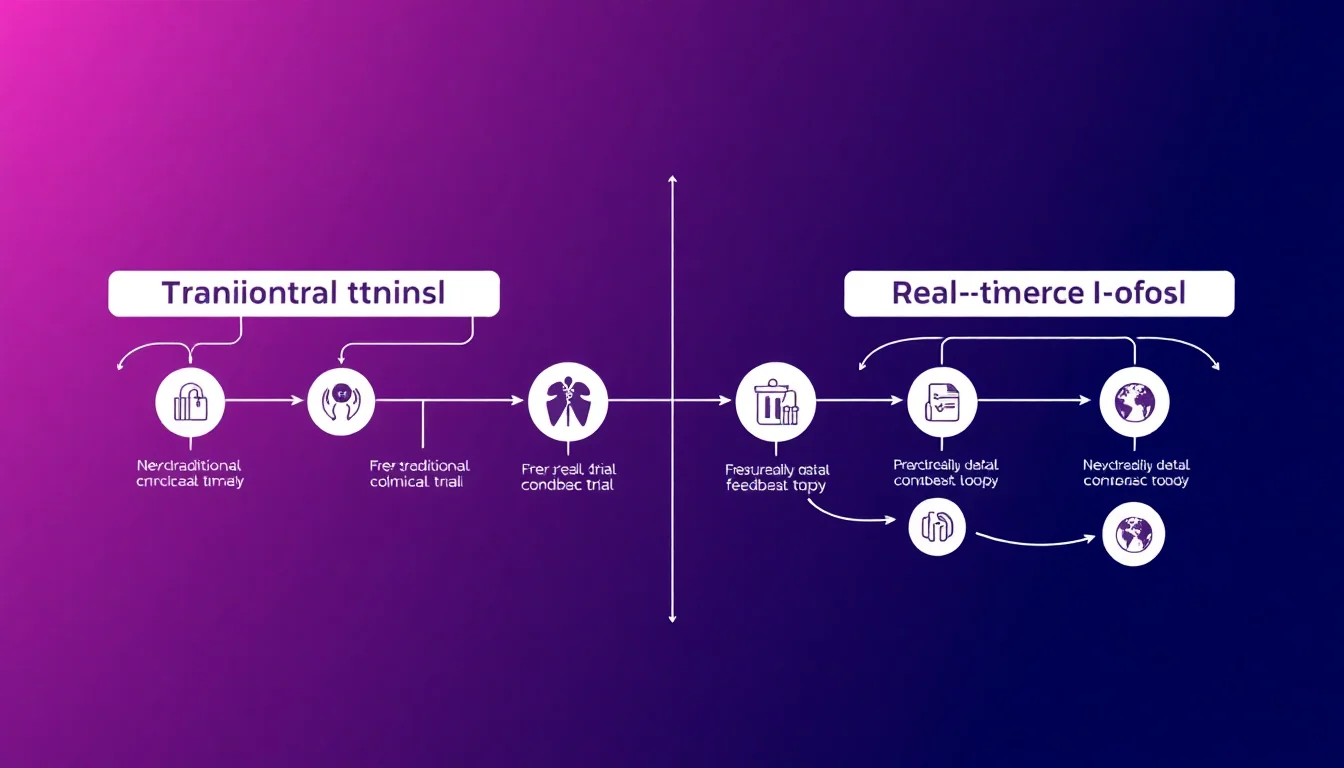
According to the FDA's statement, the program aims to compress timelines between data collection and regulatory review by enabling sponsors to submit trial endpoints and safety data as they're generated, rather than waiting months or years for study completion. This continuous feedback loop could cut years off the drug development process while potentially improving patient safety through earlier identification of adverse events.
Breaking from Traditional Trial Models
Traditional clinical trials operate on a batch-and-queue model: researchers collect data throughout the study period, analyze results after trial completion, then submit comprehensive reports to regulators. This process can take 18-24 months from final patient enrollment to New Drug Application submission.
The FDA's real-time approach fundamentally alters this paradigm. Key features of the pilot program include:
- Continuous endpoint reporting: Primary and secondary endpoints transmitted to FDA reviewers as they occur
- Rolling safety monitoring: Adverse event data shared in real-time rather than in quarterly safety reports
- Immediate regulatory feedback: FDA reviewers provide guidance on protocol modifications during active trials
- Adaptive trial design support: Real-time data enables mid-study adjustments to dosing, endpoints, or patient populations
Industry analysts note this could be particularly transformative for oncology and rare disease trials, where small patient populations and urgent medical need make traditional timelines especially problematic.
Technology Infrastructure and Data Standards
The pilot program relies heavily on standardized data formats and secure transmission protocols developed through FDA's Technology Modernization Action Plan. Participating sponsors must implement electronic data capture systems that meet the agency's real-time reporting specifications, including CDISC standards for clinical data interchange.
The two initial proof-of-concept trials—details of which remain confidential under agency policy—are testing the technical infrastructure alongside regulatory workflows. FDA officials indicated the pilot will run for 18 months before the agency decides whether to expand the program more broadly.
"This represents a genuine paradigm shift in how we think about clinical development," noted one pharmaceutical industry consultant familiar with the program. "Instead of throwing data over the wall after years of work, you're building the regulatory dossier collaboratively in real-time."
Industry Implications and Challenges
For pharmaceutical and supplement manufacturers, the real-time trial model presents both opportunities and challenges. Faster feedback could accelerate development timelines and reduce costly late-stage failures when the FDA identifies issues with trial design or endpoints. However, the program requires significant investment in data infrastructure and may demand more resources for continuous regulatory interaction.
Smaller companies and supplement manufacturers exploring pharmaceutical-grade claims may find the technical barriers particularly challenging. The PharmoniQ Supplement Checker can help companies understand which products might benefit from clinical validation as they evaluate whether real-time trials fit their development strategy.
The program also raises questions about data integrity and the potential for sponsor bias when trials aren't fully blinded until completion. The FDA has indicated it will implement additional safeguards to ensure real-time access doesn't compromise scientific rigor.
Looking Ahead: Transforming Drug Development
If successful, the pilot could expand to become standard practice for certain trial types within three to five years, according to regulatory experts. The FDA has indicated particular interest in applying the model to accelerated approval pathways, breakthrough therapy designations, and pediatric studies where patient recruitment challenges make traditional timelines especially problematic.
The initiative aligns with broader FDA modernization efforts, including the agency's ongoing digital transformation and its push toward model-informed drug development. Real-time trials could eventually integrate with predictive modeling and artificial intelligence tools to create truly adaptive development programs.
For the broader pharmaceutical industry, this represents a significant regulatory evolution that could compress development timelines by 20-30% while potentially improving patient safety through earlier detection of efficacy and safety signals. Companies developing supplements with pharmaceutical-grade ingredients may also benefit as clearer regulatory pathways emerge for substantiating health claims.
The FDA expects to release preliminary findings from the pilot program by late 2025, with recommendations on broader implementation to follow. Industry stakeholders are watching closely to see whether this regulatory innovation delivers on its promise to accelerate access to new therapies without compromising the rigorous standards that protect patients.
Check Your Supplement Interactions
Use our AI-powered checker to analyze supplement safety and interactions.
Open Interaction Checker →Comments (0)
This article is for informational purposes only and does not constitute medical or investment advice. It was written with AI assistance from the sources listed above. Check the original sources before relying on any detail.