FDA Proposes Ban on Compounded Weight-Loss Drug Alternatives
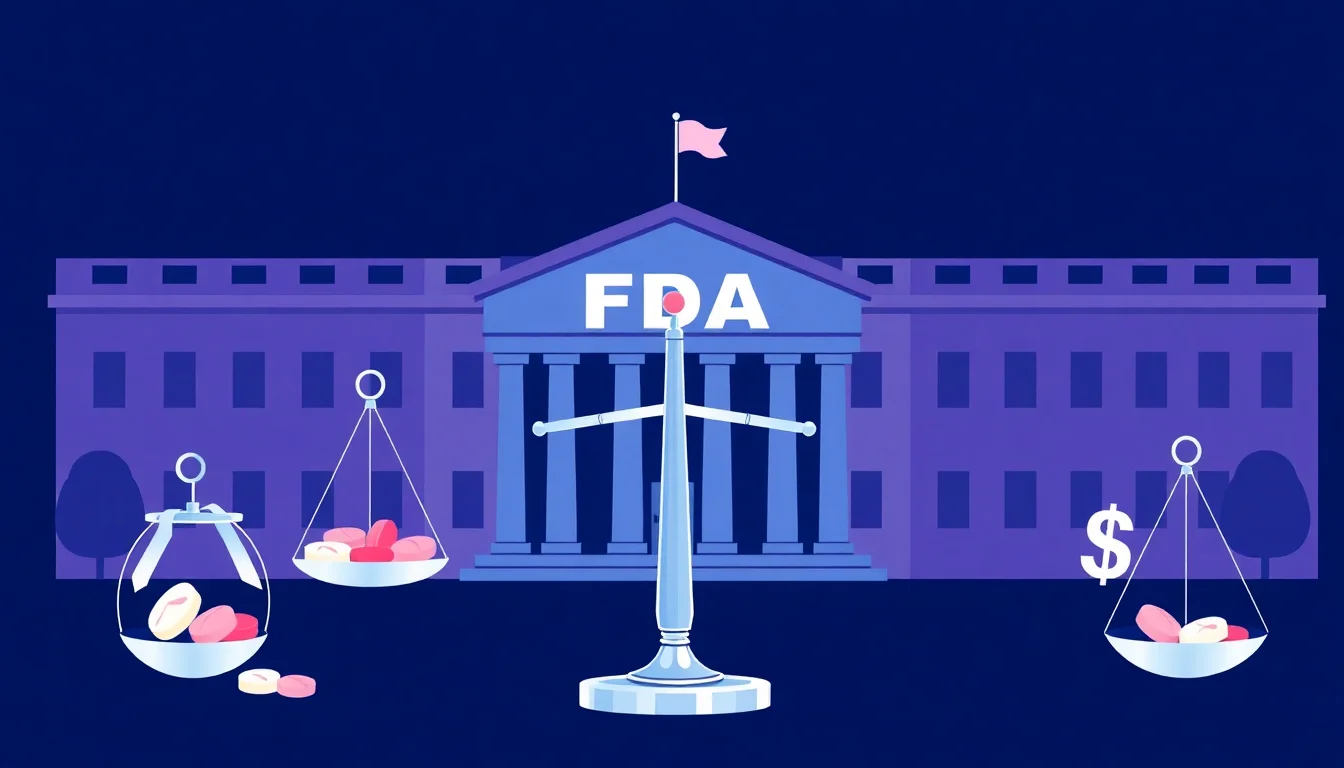
The U.S. Food and Drug Administration has announced a proposal that could fundamentally reshape access to popular weight-loss medications, moving to exclude semaglutide, tirzepatide, and liraglutide from the agency's 503B bulks list. This regulatory change would effectively prohibit compounding pharmacies from producing versions of these blockbuster GLP-1 receptor agonists, potentially forcing millions of patients back to branded medications that can cost upwards of $1,000 per month.
The proposal comes as demand for obesity treatments has surged dramatically over the past two years, with manufacturers Novo Nordisk and Eli Lilly struggling to meet unprecedented patient demand for branded versions including Ozempic, Wegovy, Mounjaro, and Zepbound. According to industry analysts, the compounding pharmacy sector has filled a critical gap during ongoing shortage periods, providing more affordable alternatives to patients who otherwise might go without treatment.
Understanding the 503B Bulks List Framework
The FDA's 503B bulks list determines which active pharmaceutical ingredients compounding pharmacies can use to create custom medications. Under current regulations, compounders can legally produce versions of shortage drugs or create formulations not commercially available. The list serves as a balance between ensuring patient access and protecting the interests of pharmaceutical manufacturers who invest billions in drug development and approval processes.
Compounding pharmacies have operated in a regulatory gray zone during the weight-loss medication shortage crisis. While the FDA has issued warning letters to some operations making misleading claims or operating outside regulatory boundaries, many legitimate compounders have provided a valuable service to patients facing monthslong waits for branded prescriptions. The proposed exclusion would eliminate this option entirely, regardless of shortage status.
Market Impact and Access Concerns
The financial implications of this regulatory shift are substantial. Industry data suggests that compounded semaglutide typically costs between $200-400 per month, compared to $900-1,300 for branded versions like Wegovy or Ozempic. For the estimated 2-3 million Americans currently using compounded GLP-1 medications, the proposal could mean:
- Monthly treatment costs increasing by 200-400% for many patients
- Potential treatment discontinuation for those without insurance coverage or adequate benefits
- Renewed strain on branded drug supplies as demand concentrates back to manufacturers
- Reduced competition in the obesity treatment market, potentially slowing price decreases
Patient advocacy groups have expressed concern that the move could create a two-tier system where only those with comprehensive insurance or significant disposable income can access these transformative treatments. The National Association of Boards of Pharmacy estimates that approximately 40% of Americans using GLP-1 medications for weight loss currently rely on compounded versions, many specifically because of cost barriers to branded options.
Industry Response and Regulatory Timeline
The proposal has generated predictable divisions across the pharmaceutical ecosystem. Major manufacturers have long advocated for tighter restrictions on compounded versions of their products, citing safety concerns and the substantial investment required to bring medications through the FDA approval process. Novo Nordisk and Eli Lilly have both filed citizen petitions requesting removal of their drugs from compounding eligibility.
Conversely, the Alliance for Pharmacy Compounding and several state pharmacy boards have argued that the proposal prioritizes pharmaceutical profits over patient access, particularly given persistent supply constraints. Some medical organizations have noted that compounded versions have allowed physicians to treat patients who might otherwise face dangerous delays in starting obesity therapy, which is increasingly recognized as treatment for a chronic disease rather than cosmetic intervention.
The FDA's proposal now enters a public comment period, during which stakeholders can submit formal responses and data supporting their positions. The agency typically reviews comments for 60-90 days before issuing a final rule, meaning any changes could take effect in mid-2025 at the earliest.
What This Means for Patients and Providers
Healthcare providers prescribing these medications face difficult conversations ahead. Many will need to evaluate whether patients can transition to branded versions or if treatment discontinuation becomes necessary due to cost constraints. The PharmoniQ Drug Checker can help patients and providers assess the full profile of these medications and explore potential alternatives.
Looking forward, the proposal underscores ongoing tensions between drug access, affordability, and intellectual property protection in American healthcare. While the FDA emphasizes patient safety as its primary concern, critics argue that the timing—coinciding with manufacturers' increased production capacity—suggests commercial interests may be influencing regulatory decisions.
For patients currently using compounded versions, experts recommend discussing transition plans with prescribers now, exploring insurance coverage options, and considering enrollment in manufacturer patient assistance programs if eligible. Those interested in understanding more about GLP-1 medications can explore detailed profiles on our supplement and medication database.
Check Your Supplement Interactions
Use our AI-powered checker to analyze supplement safety and interactions.
Open Interaction Checker →Comments (0)
This article is for informational purposes only and does not constitute medical or investment advice. It was written with AI assistance from the sources listed above. Check the original sources before relying on any detail.