FDA Proposes Mandatory GRAS Notification in Major Regulatory Shift
The Food and Drug Administration has proposed a sweeping regulatory change that would transform the current voluntary Generally Recognized as Safe (GRAS) notification system into a mandatory requirement, potentially reshaping how thousands of food substances, dietary supplements, and over-the-counter medicine ingredients reach the market.
The proposed rule represents one of the most significant shifts in food safety regulation in decades, requiring manufacturers to notify the FDA before marketing any substance they have independently concluded is GRAS. Currently, companies may make GRAS determinations without informing the agency, though many choose to submit voluntary notifications to gain FDA acknowledgment.
Understanding the Proposed Changes
Under the existing framework established in 1997, manufacturers can conduct their own safety assessments and conclude that a substance is GRAS based on scientific evidence and expert consensus. Notification to FDA is optional, and many companies operate under independent GRAS determinations to avoid regulatory delays or scrutiny.
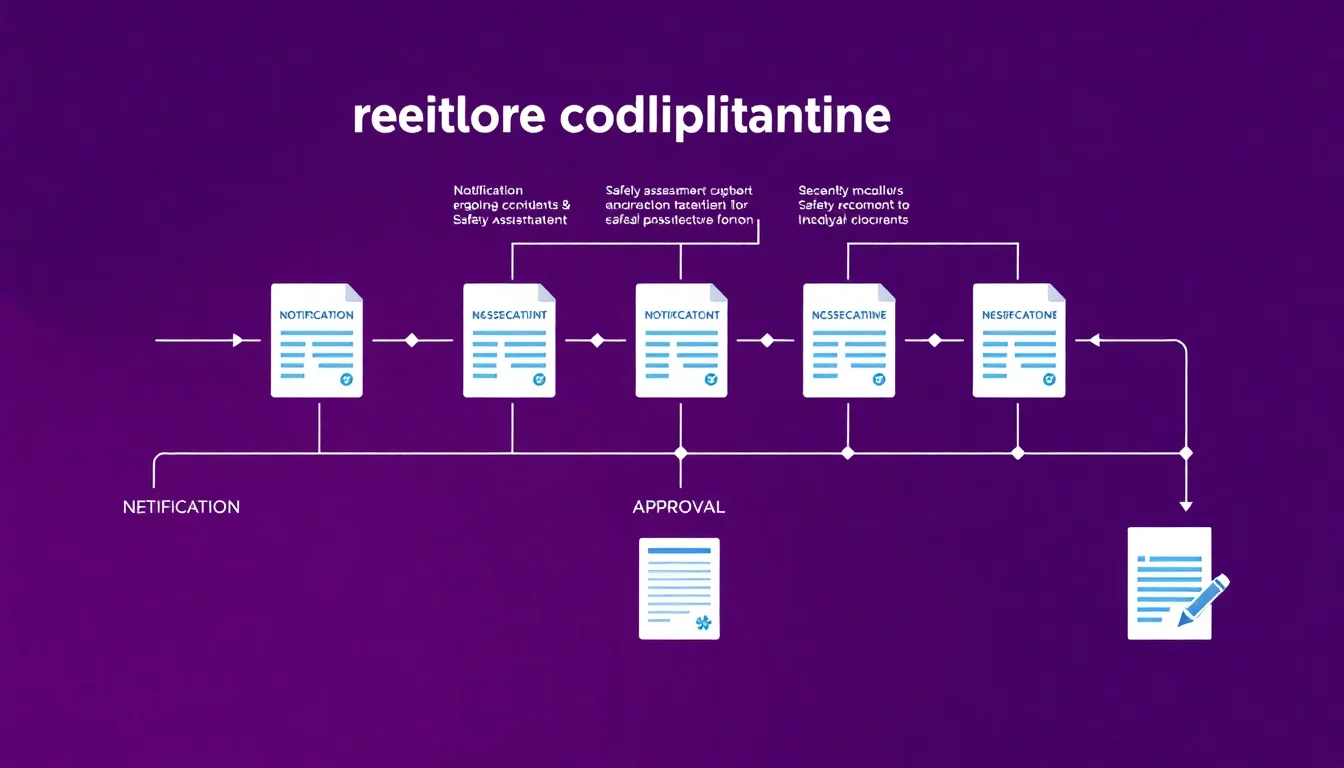
The proposed mandatory system would fundamentally alter this landscape by requiring:
- Pre-market notification to FDA for all new GRAS conclusions before commercial distribution
- Comprehensive documentation of the scientific basis supporting GRAS status
- Detailed information about intended uses and exposure levels
- Waiting periods while FDA reviews submissions
- Potential for FDA to question or reject GRAS conclusions
The change would affect a broad spectrum of products, from novel food ingredients and flavoring agents to components used in dietary supplements and certain OTC medication formulations. Industry analysts estimate thousands of substances currently marketed under independent GRAS determinations could require formal notification under the new system.
Industry Concerns and Capacity Questions
The Consumer Healthcare Products Association (CHPA) has emerged as a leading voice raising concerns about the proposal's practical implications. The trade group, representing manufacturers of over-the-counter medicines and dietary supplements, warns that mandatory notifications could create unintended barriers to product access and innovation.
"This proposal raises serious questions about feasibility and FDA's capacity to handle what could be an overwhelming increase in submissions," according to industry observers familiar with CHPA's position. The organization has highlighted potential consequences including product delays, increased compliance costs, and reduced availability of dietary supplements and OTC medicines that rely on GRAS ingredients.
The capacity concern is particularly acute given FDA's current notification review timelines. Even under the voluntary system, GRAS notifications can take months or years for FDA to evaluate. A mandatory system could create a significant backlog, potentially stalling product launches and reformulations across multiple industries.
Smaller manufacturers and supplement companies face disproportionate challenges under the proposed rule. The cost and complexity of preparing comprehensive GRAS notifications—including commissioning expert panels and compiling extensive safety documentation—could prove prohibitive for businesses without dedicated regulatory affairs departments. Learn more about supplement safety standards at our supplement safety checker.
Regulatory Rationale and Safety Implications
FDA's motivation for the proposed change centers on transparency and oversight. The agency has expressed concern that the current voluntary system leaves gaps in its awareness of substances being marketed as GRAS, potentially creating food safety blind spots.
By making notifications mandatory, FDA aims to:
- Gain comprehensive visibility into all GRAS determinations
- Identify potentially problematic substances before widespread market distribution
- Ensure consistent scientific standards across GRAS conclusions
- Better protect public health through enhanced pre-market review
Supporters of the proposal argue that mandatory notification serves the public interest by preventing unsafe or inadequately studied substances from entering the food supply. They point to instances where independent GRAS determinations have later been questioned, suggesting stronger FDA oversight could prevent such situations.
What This Means for the Industry
The comment period for this proposed rule will be critical in shaping the final regulation. Industry stakeholders are expected to submit detailed analyses of implementation challenges, cost impacts, and suggested modifications to make the system workable.
Key issues likely to dominate discussions include:
- Whether FDA will receive adequate resources to process a dramatic increase in notifications
- Transition provisions for substances currently marketed under independent GRAS determinations
- Exemptions or simplified procedures for low-risk substances or minor formulation changes
- The relationship between GRAS notifications and other regulatory pathways like food additive petitions
For manufacturers currently relying on independent GRAS determinations, strategic planning should begin now. Companies may need to evaluate their product portfolios, prioritize critical ingredients for notification, and budget for increased regulatory compliance costs. Those developing new products should factor potential notification delays into launch timelines.
The pharmaceutical and supplement industries will be watching closely as this proposal moves through the regulatory process. The outcome could set important precedents for how FDA balances innovation and market access against safety oversight—a tension likely to define food and supplement regulation for years to come. Check specific supplement ingredients and their safety profiles using our ingredient analysis tool.
As the comment period progresses, expect continued debate over whether mandatory GRAS notification represents necessary safety enhancement or regulatory overreach that could inadvertently harm public health by restricting access to beneficial products.
Check Your Supplement Interactions
Use our AI-powered checker to analyze supplement safety and interactions.
Open Interaction Checker →Comments (0)
This article is for informational purposes only and does not constitute medical or investment advice. It was written with AI assistance from the sources listed above. Check the original sources before relying on any detail.