FDA Escalates Salmonella Screening for Moringa Powder from India
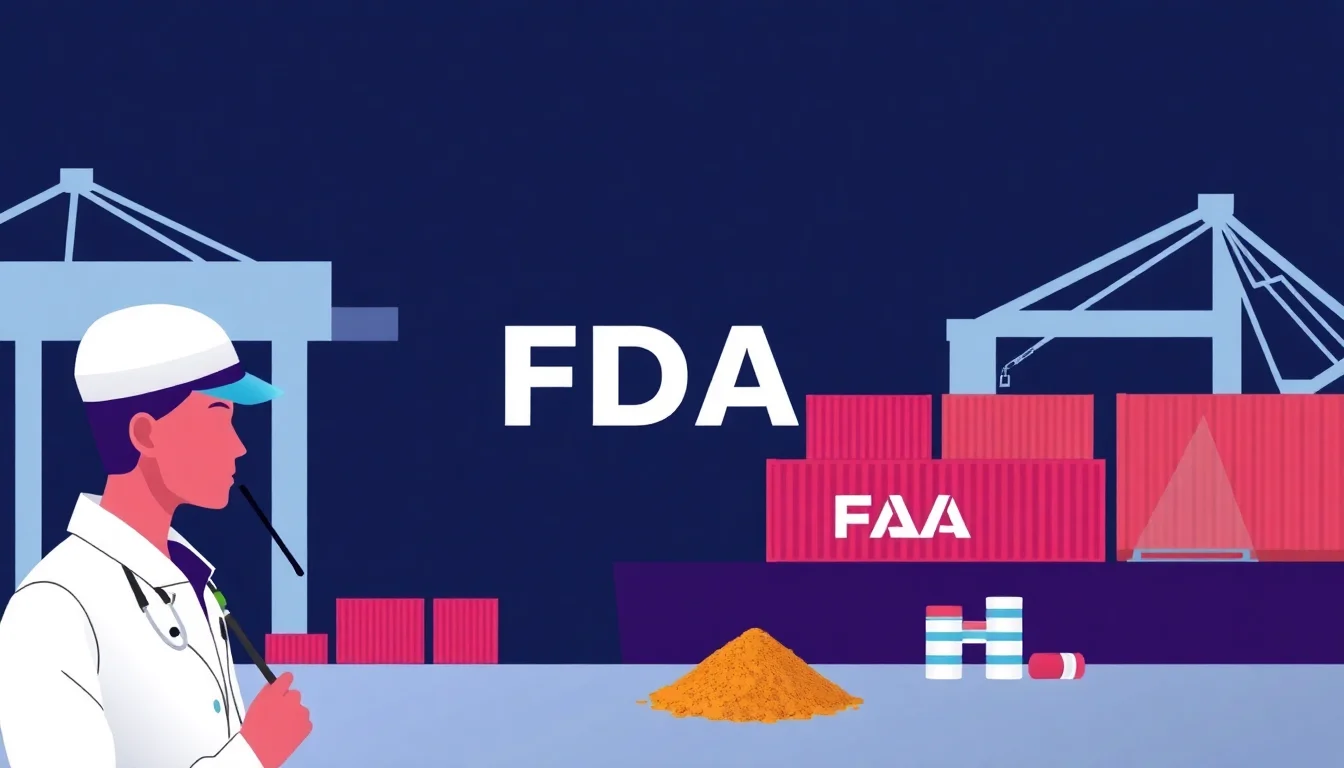
The U.S. Food and Drug Administration has implemented enhanced import screening measures for moringa leaf powder originating from India, following a multi-state Salmonella outbreak that has resulted in ten confirmed cases across eight states and three hospitalizations. The move represents the latest enforcement action in ongoing efforts to address microbial contamination risks in the supplement supply chain.
According to the Centers for Disease Control and Prevention, epidemiological investigations linked the cases to moringa leaf powder consumed by individuals who purchased the product from various retailers. The outbreak underscores continuing challenges in ensuring the microbiological safety of botanical dietary supplements, particularly those sourced from international markets where agricultural and processing conditions may vary significantly from U.S. standards.
Background on Moringa and Import Patterns
Moringa oleifera, often marketed as a "superfood" supplement, has grown substantially in popularity over the past decade among U.S. consumers seeking plant-based nutritional products. The leaves are typically dried and powdered for use in smoothies, teas, and capsule formulations. India represents one of the largest global suppliers of moringa powder, with thousands of metric tons exported annually to meet growing international demand.
The supplement has traditionally been promoted for its nutrient density, containing notable levels of vitamins, minerals, and plant compounds. However, the same agricultural conditions that support moringa cultivation can also present contamination risks if proper sanitation protocols are not maintained throughout harvesting, drying, and processing stages.
Regulatory Response and Import Alert Mechanics
The FDA's heightened screening protocol means that moringa powder shipments from Indian manufacturers will face increased scrutiny at U.S. ports of entry. Import alerts of this nature typically authorize detention without physical examination of products from specific facilities or regions when evidence suggests heightened risk of adulteration.
Key elements of the enhanced screening include:
- Mandatory hold for sampling and laboratory testing of consignments from identified facilities
- Increased frequency of microbiological testing for Salmonella and other pathogens
- Required documentation demonstrating adequate process controls and sanitation practices
- Potential expansion of alert to additional suppliers if contamination patterns continue
Industry analysts note that this enforcement action reflects the FDA's strategic shift toward preventing contaminated products from entering commerce, rather than relying primarily on post-market surveillance and recall procedures. The approach mirrors similar import controls implemented for other high-risk botanical ingredients in recent years.
Industry Implications and Compliance Challenges
For supplement manufacturers and importers, the enhanced screening creates immediate operational and financial pressures. Detained shipments face storage costs, testing expenses, and potential spoilage during extended hold periods. Companies without robust supplier qualification programs may need to rapidly identify alternative sources or invest in upgrading quality agreements with existing Indian suppliers.
Trade associations representing the dietary supplement industry have emphasized the importance of comprehensive supplier verification programs, including on-site audits, certificate of analysis reviews, and identity testing. However, smaller companies often lack the resources to conduct thorough overseas supplier assessments, creating competitive disadvantages and potential supply chain vulnerabilities.
Before purchasing any supplement, consumers can use tools like the PharmoniQ Safety Checker to review safety information, recall history, and regulatory status for specific products and brands.
Looking Ahead: Implications for Supplement Safety Policy
This outbreak arrives amid broader congressional and regulatory discussions about modernizing dietary supplement oversight. Critics of current regulations point to incidents like the moringa contamination as evidence that the industry's self-regulatory framework contains gaps, particularly regarding imported ingredients from countries with less stringent food safety infrastructure.
The FDA has indicated that preventing microbial contamination in botanical ingredients remains a top enforcement priority. Observers anticipate potential expansion of preventive controls requirements specifically for high-risk imported botanicals, possibly including mandatory third-party certification programs similar to those implemented under the Food Safety Modernization Act for conventional foods.
For consumers currently using moringa supplements, health authorities recommend discontinuing use of any product linked to the outbreak and consulting healthcare providers if symptoms of Salmonella infection develop. Typical symptoms include diarrhea, fever, and abdominal cramping, which usually appear 6 to 72 hours after exposure.
The incident serves as a reminder of the importance of purchasing supplements from manufacturers with transparent quality control practices and comprehensive testing programs. Consumers can research specific products and their safety profiles using PharmoniQ's supplement database before making purchasing decisions.
Check Your Supplement Interactions
Use our AI-powered checker to analyze supplement safety and interactions.
Open Interaction Checker →Comments (0)
This article is for informational purposes only and does not constitute medical or investment advice. It was written with AI assistance from the sources listed above. Check the original sources before relying on any detail.