FDA Elevates Thyroid Medication Recall to Class I Over Overdose Risk
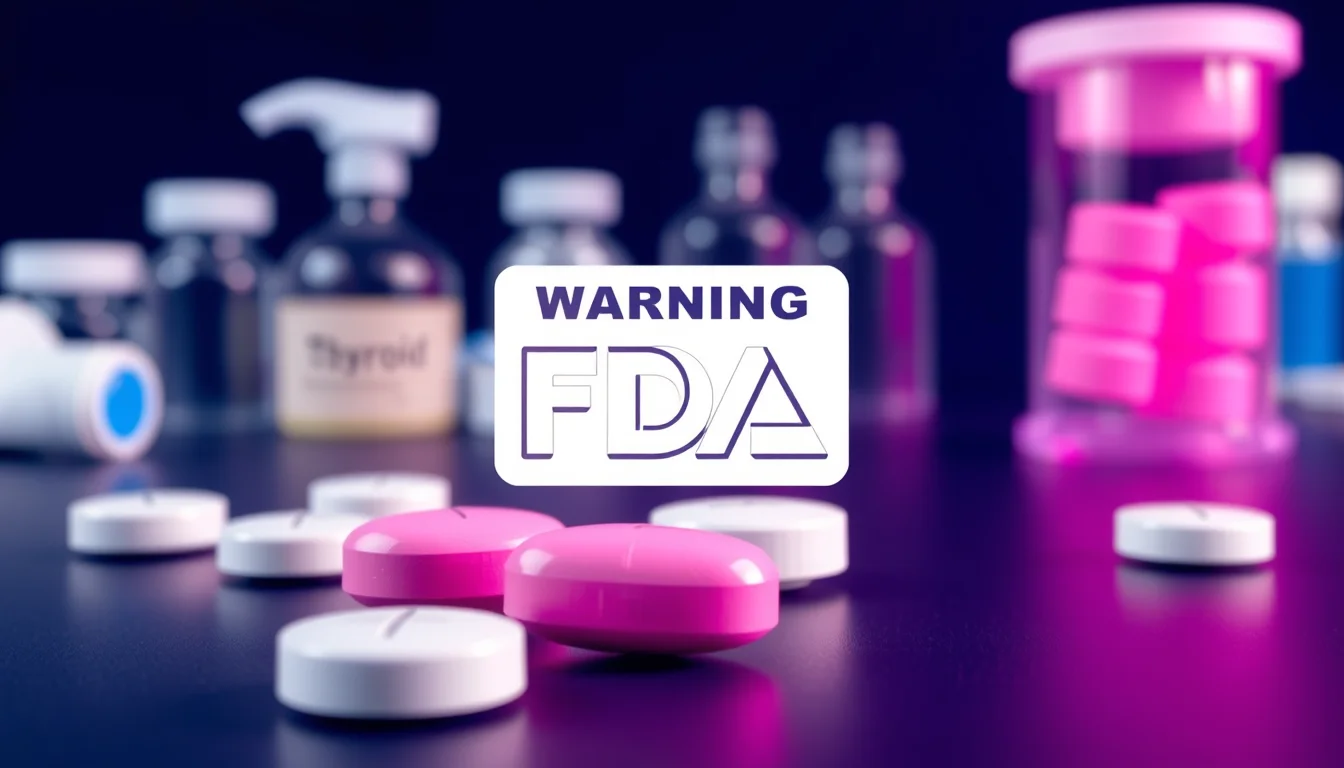
The FDA has escalated a recall of thyroid tablets USP 30mg manufactured by Vitrivious Therapeutics to Class I status—the agency's most serious recall classification—following laboratory findings that revealed suprapotent hormone concentrations in distributed batches. The September 2026 upgrade signals heightened concern over potential patient harm from the porcine-derived thyroid hormone replacement therapy, which may deliver significantly higher doses than indicated on product labeling.
According to the FDA's enforcement report, the Class I designation applies when there is a reasonable probability that use of the product will cause serious adverse health consequences or death. For thyroid medications, precise dosing is critical, as even small variations can trigger significant physiological responses in patients dependent on hormone replacement therapy.
Understanding the Clinical Risks
Thyroid hormone replacement therapy requires careful calibration to match each patient's metabolic needs. When tablets contain higher concentrations of active thyroid hormones—primarily T3 (triiodothyronine) and T4 (thyroxine)—than labeled, patients unknowingly receive excessive doses that can overwhelm their systems.
Medical experts note several serious complications associated with thyroid hormone overdose:
- Cardiac arrhythmias: Excess thyroid hormone increases heart rate and can trigger irregular rhythms, particularly dangerous for patients with existing cardiovascular conditions
- Thyroid storm: A rare but life-threatening condition characterized by fever, rapid heart rate, confusion, and potential organ failure
- Bone density loss: Chronic overexposure accelerates bone resorption, increasing fracture risk
- Neurological effects: Anxiety, tremors, insomnia, and cognitive disturbances
"Vulnerable populations including elderly patients, those with cardiac disease, and individuals with compromised thyroid function face disproportionate risks from suprapotent formulations," the FDA's safety communication emphasized. The agency has urged healthcare providers to carefully monitor patients who may have received affected batches.
Industry Quality Control Under Scrutiny
The recall highlights ongoing challenges in manufacturing consistency for natural-source thyroid medications. Unlike synthetic levothyroxine, which offers standardized hormone content, porcine-derived thyroid tablets—sourced from pig thyroid glands—present inherent variability that requires rigorous testing and quality assurance protocols.
Pharmaceutical manufacturing experts indicate that suprapotency issues typically stem from one of several production failures: inadequate mixing during formulation, calibration errors in analytical testing equipment, or insufficient batch-to-batch validation. The FDA requires manufacturers to demonstrate that each lot meets strict potency specifications, typically within 90-110% of labeled strength.
"This recall underscores the critical importance of robust quality systems in hormone manufacturing," noted a pharmaceutical quality consultant who requested anonymity. "Thyroid medications occupy a unique regulatory position where the therapeutic window is narrow and patient populations are often medically complex."
The incident may prompt increased FDA scrutiny of thyroid medication manufacturers, potentially including more frequent inspections and enhanced post-market surveillance. Industry analysts suggest that companies producing natural-source hormone products should anticipate heightened regulatory expectations around process validation and stability testing.
Patient and Provider Response
Healthcare providers have been advised to review patient records to identify individuals who received Vitrivious Therapeutics thyroid tablets from affected lots. The FDA recommends that patients experiencing symptoms of hyperthyroidism—including unexplained weight loss, increased heart rate, anxiety, or heat intolerance—contact their healthcare providers immediately.
Pharmacies dispensing the recalled medication have been instructed to quarantine remaining inventory and facilitate patient notification. For patients currently taking affected tablets, physicians must carefully transition them to alternative thyroid replacement products while monitoring thyroid function through laboratory testing.
The PharmoniQ Supplement Checker provides resources for verifying the safety status of medications and supplements, including FDA recall information and quality certifications. Patients concerned about their thyroid medication can use these tools to confirm their products are not subject to active recalls.
Looking Ahead: Implications for Thyroid Medication Quality
This Class I recall is expected to have lasting effects on the thyroid medication sector. Manufacturers of both natural and synthetic thyroid hormones may face increased regulatory burden, including more stringent batch release testing and enhanced pharmacovigilance requirements.
The incident also highlights the importance of patient education regarding thyroid medication. Many patients remain unaware that thyroid hormone replacement requires consistent product quality and that switching between brands or formulations should only occur under medical supervision.
For the broader pharmaceutical industry, the recall serves as a reminder that even established therapeutic categories require continuous quality vigilance. As the FDA continues investigating the root causes behind Vitrivious Therapeutics' quality failures, other manufacturers would be prudent to audit their own processes and strengthen quality control systems.
Patients taking thyroid medications should verify their product information through reliable resources like PharmoniQ's thyroid supplement database and maintain regular communication with their healthcare providers about any concerning symptoms or medication changes.
Check Your Supplement Interactions
Use our AI-powered checker to analyze supplement safety and interactions.
Open Interaction Checker →Comments (0)
This article is for informational purposes only and does not constitute medical or investment advice. Content is generated with AI assistance and reviewed for accuracy.