FDA Bars NMN Supplements After Pharma Invokes Drug Exclusion Clause
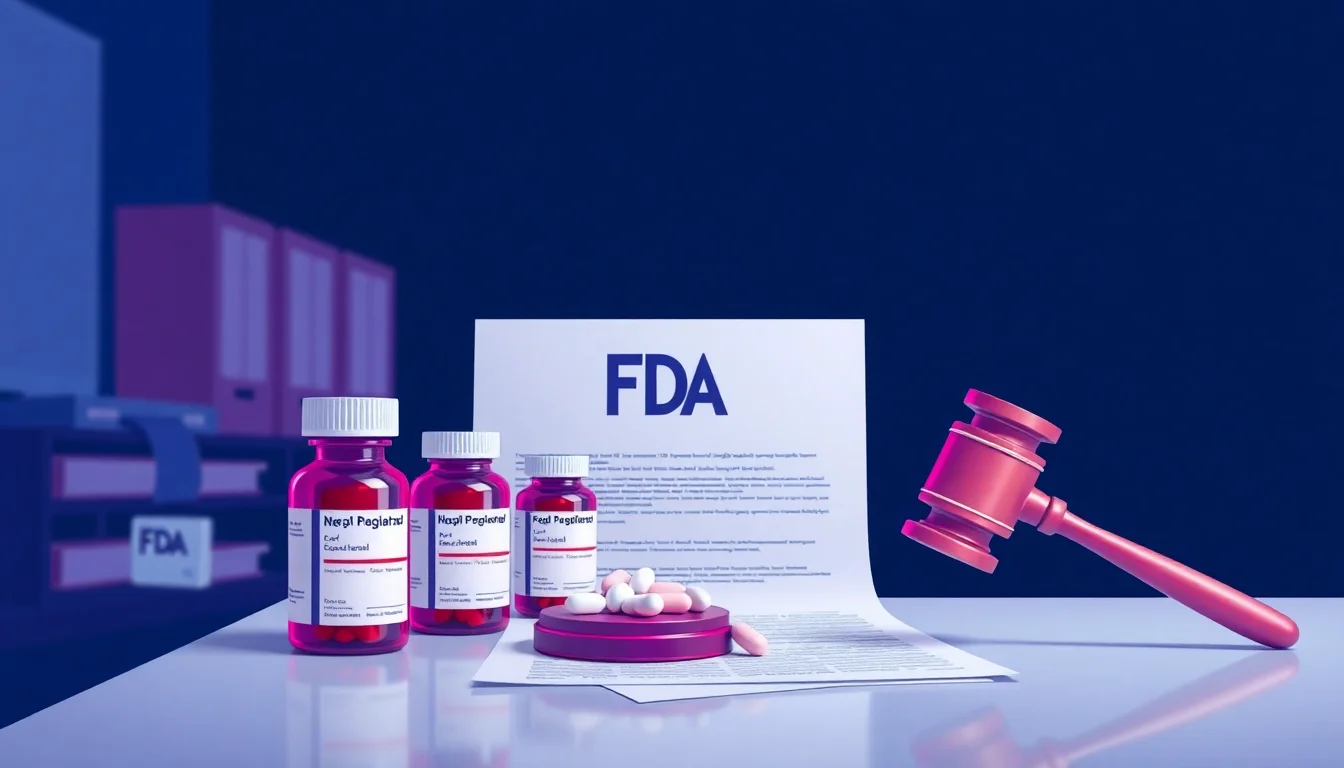
In a regulatory decision that could fundamentally alter the supplement-pharmaceutical landscape, the FDA has agreed with a pharmaceutical company's petition to prohibit nicotinamide mononucleotide (NMN) from being sold as a dietary supplement. The agency's determination hinges on the drug exclusion clause — a provision that bars substances from supplement status if they were investigated as drugs before being marketed as supplements.
The ruling represents one of the most significant applications of the drug exclusion clause in recent years, signaling that pharmaceutical companies may increasingly use this regulatory pathway to limit competition from the supplement industry. NMN, a precursor to NAD+ that has gained substantial consumer interest for its potential anti-aging and metabolic benefits, now joins a small but growing list of compounds barred from supplement formulations due to prior pharmaceutical investigation.
Understanding the Drug Exclusion Clause
The drug exclusion clause, codified in the Dietary Supplement Health and Education Act of 1994 (DSHEA), prevents a substance from being sold as a dietary supplement if it meets specific criteria. According to the FDA's interpretation, a substance is excluded if it was authorized for investigation as a new drug and substantial clinical investigations have been instituted and made public — unless the substance was marketed as a supplement or food before the drug investigations began.
In the NMN case, the pharmaceutical company successfully demonstrated to the FDA that NMN had been the subject of authorized drug investigations that became public knowledge before widespread supplement marketing. This timeline proved crucial to the FDA's determination. Industry analysts note that the decision underscores the importance of establishing a dietary supplement marketing history before any formal drug investigation announcements.
Market and Industry Implications
The NMN prohibition carries significant commercial consequences that extend well beyond a single ingredient. Market research indicates that NMN supplements had become increasingly popular, with dozens of brands marketing the compound and consumer awareness growing substantially over the past several years. The sudden regulatory shift leaves consumers seeking alternatives and companies scrambling to reformulate products.
Key implications of this regulatory action include:
- Precedent for pharma intervention: Other pharmaceutical companies may now petition the FDA to exclude compounds under active drug investigation from supplement markets
- Supply chain disruption: Manufacturers, distributors, and retailers must remove NMN products from commerce or face potential enforcement action
- Consumer confusion: Purchasers who had been using NMN supplements now face questions about product availability and legal alternatives
- Innovation chilling effect: Supplement companies may become more cautious about developing novel ingredients that could attract pharmaceutical research interest
Legal experts in food and drug law suggest that the decision may prompt supplement manufacturers to establish earlier and more robust marketing histories for promising ingredients, potentially accelerating product launches before pharmaceutical interest crystallizes. "The race to market just became more critical," noted one regulatory consultant who advises supplement companies.
Alternative NAD+ Precursors and Consumer Options
For consumers who had incorporated NMN into their supplement regimens, several alternative NAD+ precursors remain legally available as dietary supplements. Nicotinamide riboside (NR), another NAD+ precursor with a well-established supplement marketing history, continues to be sold without regulatory challenge. Additionally, niacin (vitamin B3) and nicotinamide represent more traditional pathways to NAD+ support that have decades of safe use as dietary supplements.
Consumers concerned about supplement safety and regulatory status can verify whether their supplements have faced similar challenges by using resources like the PharmoniQ Supplement Safety Checker, which tracks FDA warnings, recalls, and regulatory actions across the supplement industry. Understanding the regulatory landscape has become increasingly important as the boundaries between pharmaceuticals and supplements continue to evolve.
Looking Ahead: Regulatory Strategy and Industry Response
The NMN decision signals a potential shift in how pharmaceutical companies protect their drug development pipelines from supplement competition. Rather than waiting for products to reach market and then pursuing intellectual property claims or safety challenges, companies can now proactively exclude promising compounds from supplement status through strategic use of the drug exclusion clause.
Industry observers expect supplement trade associations to advocate for clearer guidance on what constitutes "substantial clinical investigations" and when marketing history is sufficiently established to override the exclusion. Some have suggested that Congress may eventually need to revisit DSHEA provisions to address the evolving relationship between pharmaceutical development and supplement innovation.
For now, the NMN prohibition stands as a clear warning to the supplement industry: ingredients under active pharmaceutical investigation face genuine regulatory risk. Companies developing novel ingredients would be well-advised to consult regulatory counsel early, establish robust marketing histories quickly, and monitor pharmaceutical research databases for potentially conflicting drug investigations. The pharmaceutical-supplement regulatory boundary has become a more actively contested frontier, with significant commercial stakes on both sides.
Check Your Supplement Interactions
Use our AI-powered checker to analyze supplement safety and interactions.
Open Interaction Checker →Comments (0)
This article is for informational purposes only and does not constitute medical or investment advice. It was written with AI assistance from the sources listed above. Check the original sources before relying on any detail.