FDA Approves First Heart Valve Designed to Grow with Children

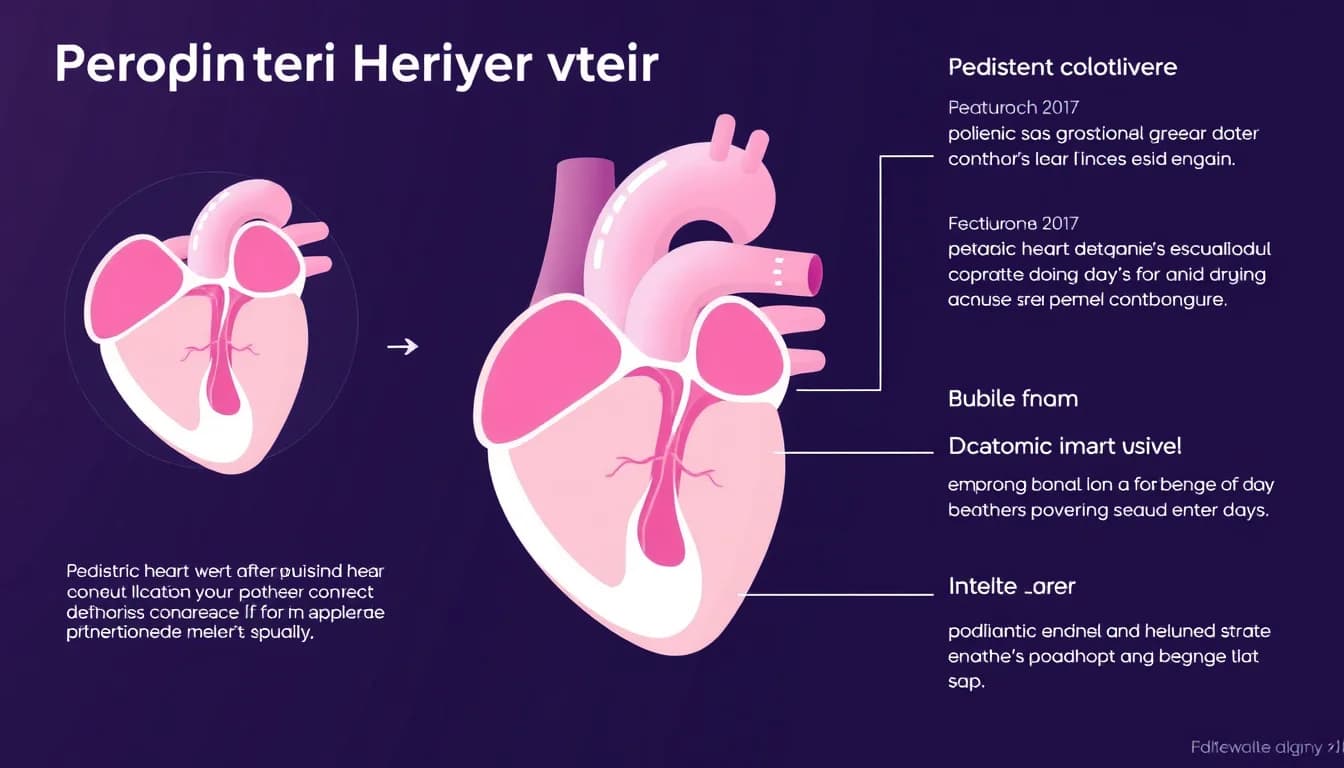
The U.S. Food and Drug Administration has granted approval for the first heart valve specifically designed to grow alongside pediatric patients, marking a transformative advancement in pediatric cardiac care. This breakthrough medical device addresses a longstanding challenge in treating children born with congenital heart defects, potentially eliminating the need for multiple replacement surgeries as young patients develop.
According to regulatory officials, the innovative valve incorporates expandable technology that accommodates normal childhood growth patterns, representing a significant departure from traditional prosthetic valves that remain fixed in size. The approval follows rigorous clinical evaluation demonstrating both safety and efficacy across diverse pediatric populations.
Addressing a Critical Unmet Need in Pediatric Cardiology
Children born with severe heart valve defects have historically faced a difficult treatment pathway. Traditional prosthetic heart valves, while life-saving, do not grow with the patient. As a result, pediatric patients typically require multiple open-heart surgeries throughout their childhood and adolescence—each procedure carrying inherent surgical risks, extended recovery periods, and significant emotional and financial burdens for families.
Industry analysts note that this repeated surgical intervention model has remained largely unchanged for decades, creating substantial clinical and quality-of-life challenges. The new growth-accommodating valve technology fundamentally changes this paradigm by potentially reducing the total number of invasive procedures a child must undergo before reaching adulthood.
- Traditional approach: Children typically require 3-5 valve replacement surgeries from infancy through adolescence
- Growth-accommodating technology: Designed to expand with the patient, potentially reducing surgeries to 1-2 lifetime procedures
- Clinical impact: Significantly decreased cumulative surgical risk and improved long-term outcomes
- Patient benefit: Reduced hospital stays, fewer recovery periods, and improved quality of life during critical developmental years
Regulatory Pathway and Clinical Evidence
The FDA's approval was granted following comprehensive clinical trials that evaluated the device's performance across multiple pediatric age groups and various congenital heart conditions. Regulatory reviewers examined long-term durability data, growth accommodation mechanisms, and safety profiles over extended follow-up periods.
The device manufacturer conducted multi-center studies involving leading pediatric cardiac centers, tracking patients through critical growth phases from early childhood through adolescence. Clinical data demonstrated that the valve successfully expanded to accommodate patient growth while maintaining proper hemodynamic function and structural integrity.
Pediatric cardiologists involved in the clinical trials have emphasized the importance of this regulatory milestone. The approval process required demonstration not only of immediate post-operative success but also of sustained performance as patients grew—a significantly more complex evidentiary standard than traditional medical device approvals.
Medical Device Innovation and Manufacturing Considerations
The growth-accommodating valve represents a significant engineering achievement, incorporating advanced biomaterials and expandable framework designs that can withstand the mechanical stresses of cardiac function while allowing controlled expansion. According to medical device industry experts, the development process required innovative approaches to material science, structural engineering, and biological compatibility.
Manufacturing these sophisticated devices involves precision fabrication techniques and rigorous quality control protocols to ensure consistent performance across the product's intended lifespan. The complexity of producing growth-accommodating cardiac valves may initially limit production capacity, though manufacturers are working to scale operations to meet anticipated clinical demand.
For healthcare providers and patients seeking information about cardiac health support, PharmoniQ's supplement interaction checker provides valuable resources for understanding how various supplements may interact with cardiovascular medications commonly prescribed to pediatric cardiac patients.
Looking Ahead: Industry and Clinical Implications
This FDA approval is expected to catalyze further innovation in pediatric medical devices designed to accommodate patient growth. Industry observers anticipate increased research and development investment in growth-adaptive technologies across multiple therapeutic areas, from orthopedic implants to vascular access devices.
The regulatory precedent established by this approval may also streamline pathways for future pediatric growth-accommodating devices, as the FDA has now developed evaluation frameworks and performance standards specific to this device category. Medical device companies are likely to leverage these regulatory insights to advance their own pediatric device development programs.
From a healthcare economics perspective, while the growth-accommodating valve may carry a higher initial cost compared to traditional prosthetic valves, the reduction in subsequent surgeries is expected to generate substantial long-term cost savings for healthcare systems and families. Health economists are beginning to model the total cost-of-care implications, with preliminary analyses suggesting favorable economic profiles.
For the approximately 40,000 children born annually in the United States with congenital heart defects, this approval represents new hope for improved outcomes and quality of life. As clinical experience with the device expands and long-term data continues to accumulate, the pediatric cardiology community anticipates this technology will become a standard of care for appropriate candidates, fundamentally transforming the treatment landscape for children with severe heart valve defects.
Check Your Supplement Interactions
Use our AI-powered checker to analyze supplement safety and interactions.
Open Interaction Checker →Comments (0)
This article is for informational purposes only and does not constitute medical or investment advice. Content is generated with AI assistance and reviewed for accuracy.