FDA Approves First Once-Weekly Insulin for Type 2 Diabetes

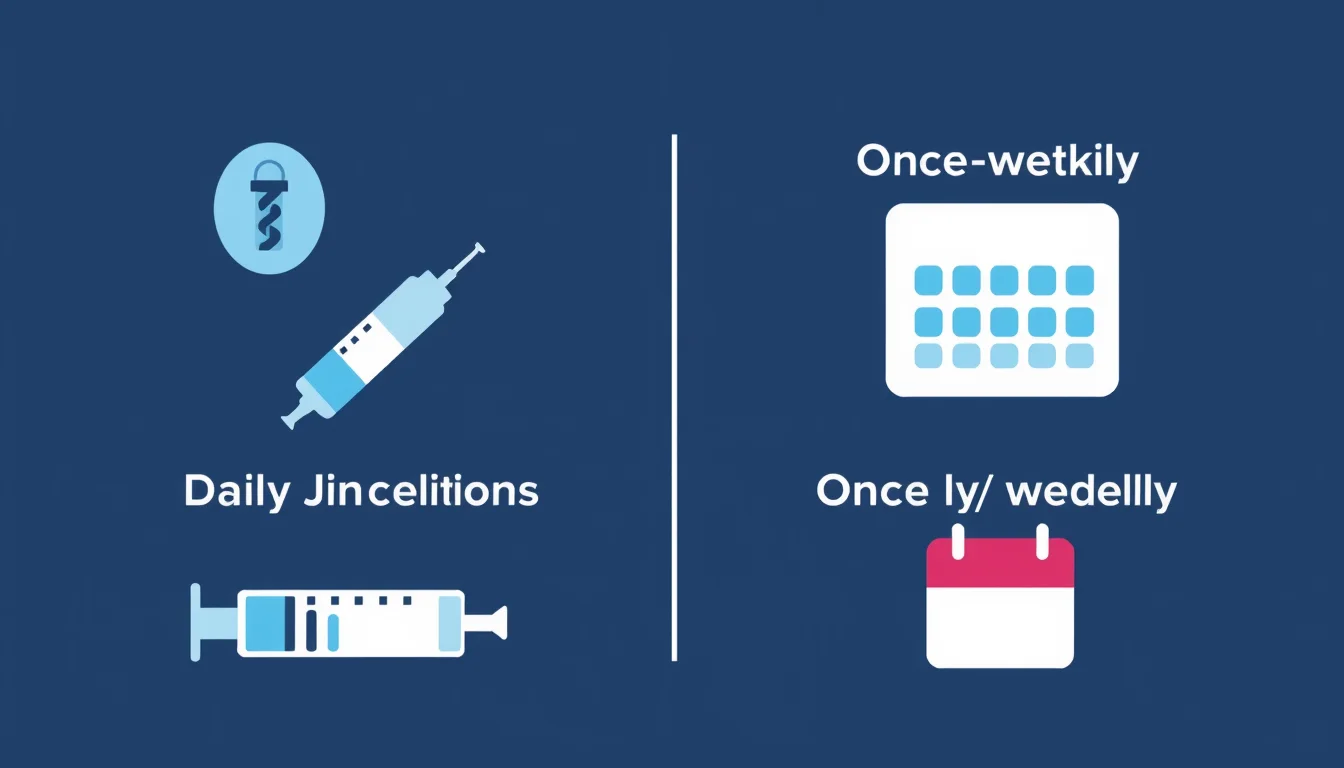
The U.S. Food and Drug Administration has approved Onswik (insulin efsitora alfa-gobe) for the treatment of Type 2 Diabetes Mellitus, representing the first once-weekly insulin therapy to reach the market. The regulatory decision, finalized on September 23, 2026, marks a significant departure from traditional daily insulin regimens and addresses one of the most persistent challenges in diabetes management: patient adherence to complex treatment schedules.
The approval positions Onswik as a potential game-changer in a market where millions of patients struggle with the burden of daily injections. According to clinical data supporting the application, once-weekly dosing could substantially reduce the treatment burden for patients who have previously required daily basal insulin administration, potentially improving long-term glycemic control and reducing diabetes-related complications.
Clinical Foundation and Regulatory Pathway
The FDA's approval of Onswik was based on comprehensive Phase III clinical trial data demonstrating non-inferiority to daily basal insulin in achieving glycemic targets. The pivotal studies enrolled thousands of patients with Type 2 Diabetes across multiple continents, evaluating both efficacy and safety parameters over extended treatment periods.
Key findings from the clinical development program include:
- Comparable glycemic control: Patients treated with once-weekly insulin efsitora achieved HbA1c reductions similar to those on daily basal insulin regimens
- Safety profile: The incidence of hypoglycemia and other adverse events was consistent with existing basal insulin therapies
- Patient satisfaction: Quality of life assessments showed improvements in treatment satisfaction scores, particularly regarding injection frequency
- Adherence metrics: Early data suggest potential for improved medication adherence compared to daily injection protocols
The regulatory submission benefited from FDA's collaborative approach to novel diabetes therapies, with the agency working closely with the manufacturer throughout the development process to establish appropriate endpoints and safety monitoring protocols for this new dosing paradigm.
Market Impact and Competitive Landscape
The approval of Onswik introduces fresh competition into the established insulin market, which has been dominated by daily and twice-daily formulations for decades. Industry analysts note that the once-weekly dosing advantage could capture significant market share, particularly among patients who have delayed or discontinued insulin therapy due to injection fatigue.
The development carries implications for multiple stakeholders in the diabetes care ecosystem. Endocrinologists and primary care physicians now have an additional tool for patients who struggle with adherence, while payers will need to evaluate the health economics of once-weekly therapy—weighing higher per-dose costs against potential improvements in long-term outcomes and reduced complications.
Major insulin manufacturers are expected to respond with their own extended-release formulations, as the commercial success of Onswik could accelerate the industry's shift toward less frequent dosing schedules. Patent filings suggest several competitors have been developing similar long-acting insulin analogs, though none have yet reached late-stage clinical development.
Clinical Implementation Considerations
Healthcare providers will need to adapt prescribing practices and patient education protocols to accommodate once-weekly insulin therapy. The transition from daily to weekly dosing requires careful dose conversion and close monitoring during the initiation period to ensure appropriate glycemic control without increased hypoglycemia risk.
Diabetes educators emphasize that while weekly dosing reduces injection frequency, patients must still maintain consistent timing for their weekly injections and continue regular glucose monitoring. The therapy is not intended to replace short-acting mealtime insulin for patients who require bolus coverage, meaning many patients will continue using multiple insulin products.
Before starting any new insulin therapy, patients should verify their medication using resources like the PharmoniQ Supplement Checker to ensure authenticity and proper storage requirements. For comprehensive information on diabetes management supplements that may complement insulin therapy, visit our berberine supplement guide.
Looking Ahead: Implications for Diabetes Care
The approval of the first once-weekly insulin represents more than an incremental improvement—it signals a potential transformation in how chronic disease management is approached. If real-world adherence data confirms the clinical trial findings, once-weekly formulations could become the preferred option for insulin-requiring Type 2 Diabetes patients, particularly those in the early stages of insulin therapy.
Regulatory experts anticipate that the FDA's decision will influence approval pathways in other markets, with the European Medicines Agency and other regulatory bodies likely to evaluate similar applications in coming months. The global diabetes community is watching closely to see whether this approval accelerates development of other extended-duration formulations for various chronic conditions requiring injectable therapies.
As the product launches commercially in early 2027, post-market surveillance will provide critical data on real-world effectiveness, adherence patterns, and long-term safety outcomes. These findings will ultimately determine whether once-weekly insulin fulfills its promise of improving the lives of millions living with Type 2 Diabetes while reducing the clinical and economic burden of diabetes complications.
Check Your Supplement Interactions
Use our AI-powered checker to analyze supplement safety and interactions.
Open Interaction Checker →Comments (0)
This article is for informational purposes only and does not constitute medical or investment advice. Content is generated with AI assistance and reviewed for accuracy.