FDA Approves First-Ever Treatment for MCT8 Deficiency

The U.S. Food and Drug Administration announced on September 28, 2026, the approval of the first-ever treatment for MCT8 deficiency, marking a significant milestone for patients living with this ultra-rare genetic disorder. The approval represents a breakthrough in rare disease therapeutics and underscores the FDA's continued commitment to addressing previously untreatable conditions affecting small patient populations.
Understanding MCT8 Deficiency
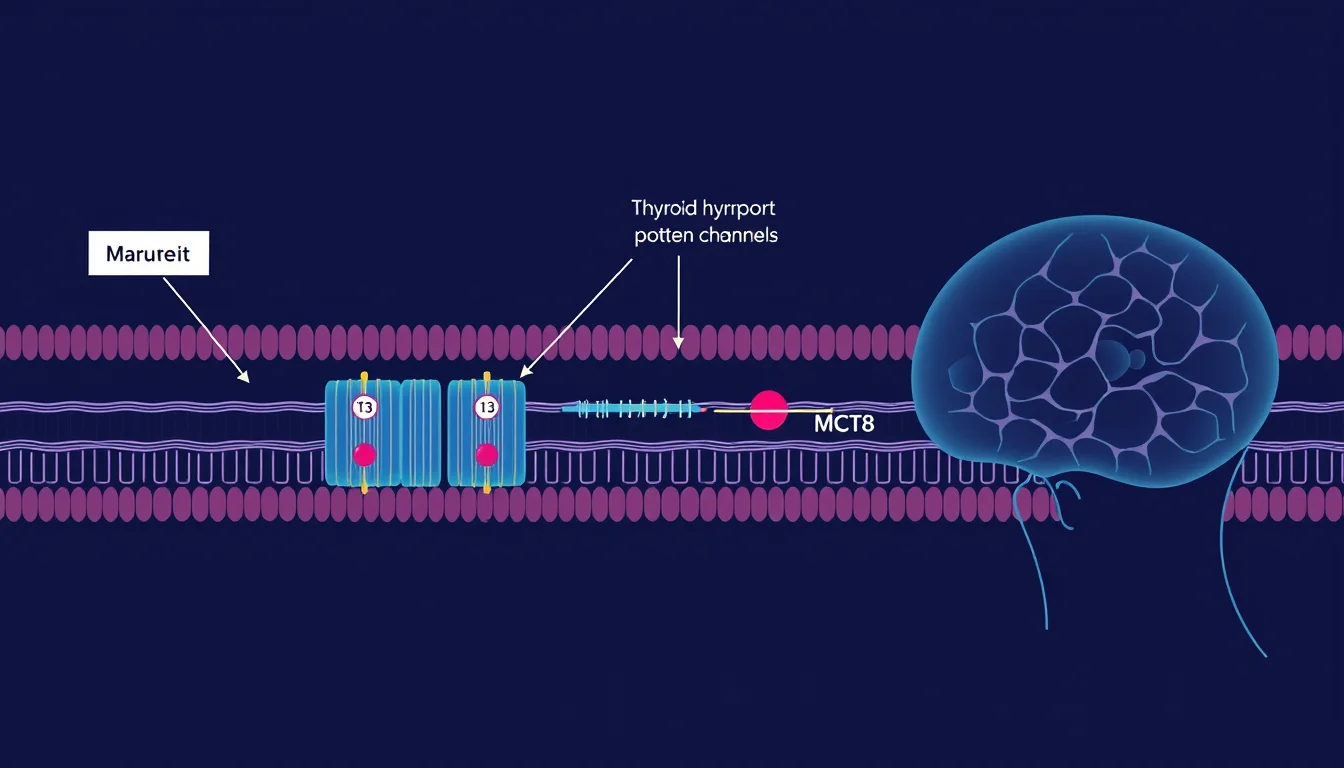
MCT8 deficiency, also known as Allan-Herndon-Dudley syndrome, is an X-linked genetic disorder caused by mutations in the SLC16A2 gene, which encodes the monocarboxylate transporter 8 (MCT8) protein. This protein plays a critical role in transporting thyroid hormones, particularly triiodothyronine (T3), across cell membranes and into the brain and other tissues. Without functional MCT8 transporters, thyroid hormones cannot effectively reach neurons, leading to severe developmental delays and neurological impairment.
The disorder primarily affects males and is characterized by several debilitating symptoms:
- Severe cognitive impairment and intellectual disability
- Hypotonia (low muscle tone) in infancy progressing to spasticity
- Involuntary muscle movements and difficulties with voluntary motor control
- Inability to speak or walk in most cases
- Abnormal thyroid function tests with elevated T3 levels
According to medical literature, the condition affects an estimated 1 in 70,000 to 1 in 100,000 male births worldwide, though experts believe many cases remain undiagnosed due to limited awareness and access to genetic testing.
A Long-Awaited Therapeutic Breakthrough
Prior to this approval, patients with MCT8 deficiency had no FDA-approved treatment options specifically targeting the underlying disorder. Management consisted primarily of supportive care addressing symptoms such as muscle spasticity, nutritional support, and physical therapy. The newly approved therapy represents the culmination of years of research into rare thyroid hormone transport disorders and reflects advances in understanding the molecular mechanisms of thyroid hormone action.
The approval process for rare disease treatments typically involves smaller clinical trial populations due to the limited number of affected patients. Regulatory agencies like the FDA have developed specialized pathways, including Orphan Drug Designation and expedited review processes, to encourage pharmaceutical companies to invest in developing treatments for conditions affecting fewer than 200,000 Americans. This approach has proven essential for bringing therapies to market for ultra-rare disorders where traditional large-scale trials would be impractical or impossible.
Patients and families seeking information about rare genetic disorders can utilize resources like the PharmoniQ Supplement Safety Checker to verify the safety and legitimacy of any complementary therapies they may be considering alongside approved treatments.
Industry and Clinical Community Response
The rare disease community has welcomed this approval with considerable optimism. Patient advocacy groups focused on thyroid disorders and rare genetic conditions have long called for increased research funding and attention to MCT8 deficiency. Medical specialists in endocrinology, medical genetics, and neurology note that this approval may catalyze further research into related thyroid hormone transport disorders and expand understanding of how thyroid hormones influence brain development.
Pharmaceutical analysts observe that this approval continues a broader trend of innovation in rare disease therapeutics. The orphan drug market has grown substantially over the past decade, with companies increasingly recognizing both the medical need and the commercial viability of developing treatments for small patient populations. Regulatory incentives, including market exclusivity periods and tax credits for clinical trial costs, have made rare disease drug development more economically attractive.
Looking Ahead: Implications for Rare Disease Research
This landmark approval carries implications that extend beyond MCT8 deficiency itself. It demonstrates the feasibility of developing effective therapies for ultra-rare genetic disorders and may encourage investment in research for other thyroid hormone transport abnormalities and related metabolic conditions. Researchers are actively investigating whether insights from MCT8 deficiency treatment could inform approaches to other neurodevelopmental disorders involving hormone or neurotransmitter transport mechanisms.
For families affected by MCT8 deficiency, this approval offers the first opportunity for disease-modifying therapy rather than purely symptomatic management. While the treatment's full clinical impact will become clearer as real-world data accumulates, the availability of an approved therapeutic option represents meaningful progress for a patient population that has historically had few options.
The medical community anticipates that expanded access to treatment will also improve diagnosis rates, as physicians become more aware of MCT8 deficiency and the availability of intervention. Early diagnosis and treatment initiation may prove critical for optimizing patient outcomes, particularly given the disorder's impact on neurodevelopment. Healthcare providers specializing in rare diseases emphasize the importance of comprehensive genetic testing for children presenting with unexplained developmental delays and abnormal thyroid function patterns.
As the pharmaceutical industry continues to advance rare disease therapeutics, patients can stay informed about treatment options and safety information through platforms like PharmoniQ's comprehensive database, which provides evidence-based information on both prescription medications and dietary supplements that patients may use as part of their overall healthcare regimen.
Check Your Supplement Interactions
Use our AI-powered checker to analyze supplement safety and interactions.
Open Interaction Checker →Comments (0)
This article is for informational purposes only and does not constitute medical or investment advice. Content is generated with AI assistance and reviewed for accuracy.