FDA Approves Centanafadine as First Triple Reuptake Inhibitor for ADHD
The U.S. Food and Drug Administration has approved centanafadine, to be marketed as Simtriyo, representing a significant advancement in attention-deficit/hyperactivity disorder (ADHD) treatment options. The approval marks the introduction of the first triple reuptake inhibitor for ADHD, offering a novel mechanism of action that simultaneously modulates norepinephrine, dopamine, and serotonin systems.
This approval addresses a critical gap in the ADHD treatment landscape, where an estimated 30-40% of patients do not achieve adequate symptom control with currently available stimulant medications or existing non-stimulant alternatives. The drug's unique pharmacological profile positions it as a potentially important option for patients who have experienced inadequate response or tolerability issues with conventional therapies.
Novel Mechanism Distinguishes New Treatment
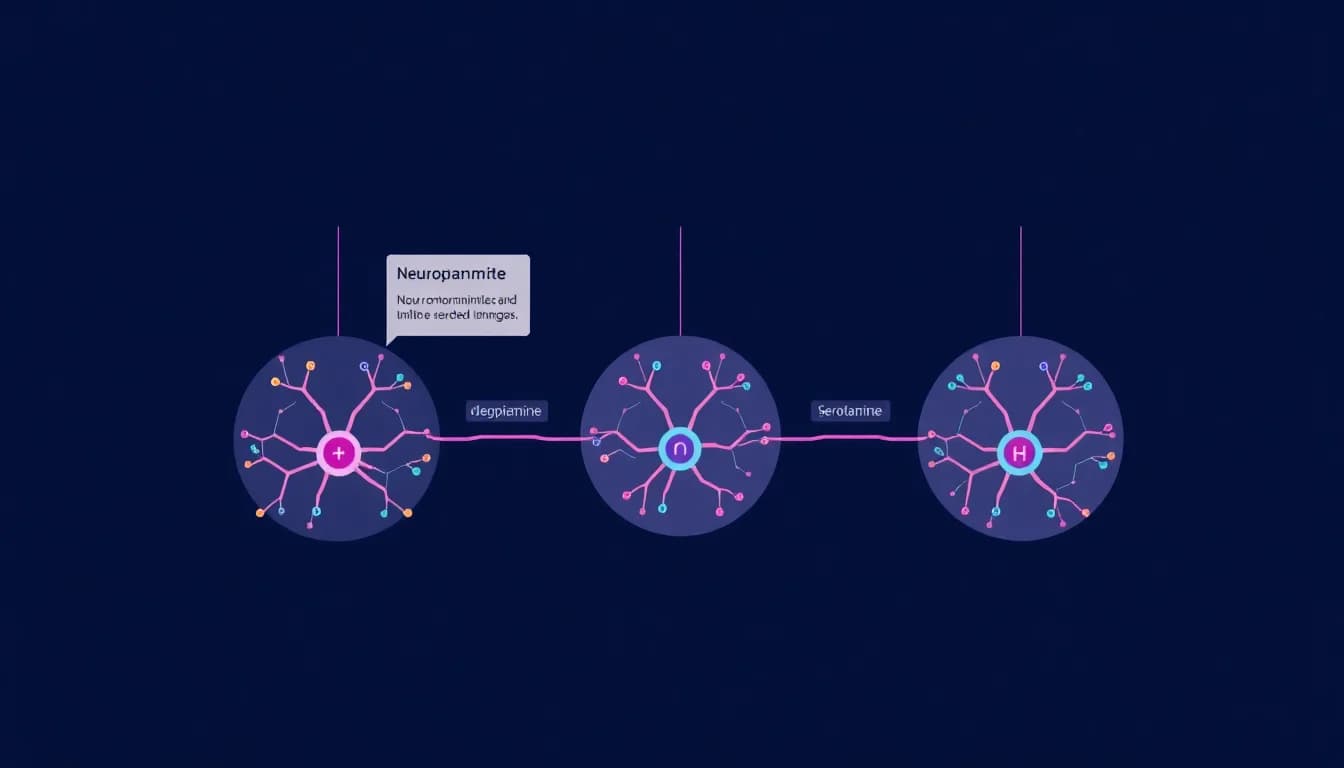
Centanafadine's triple reuptake inhibition mechanism represents a departure from existing ADHD medications. While traditional stimulants primarily target dopamine and norepinephrine pathways, and currently approved non-stimulants like atomoxetine focus on selective norepinephrine reuptake inhibition, centanafadine modulates all three monoamine neurotransmitter systems simultaneously.
According to clinical pharmacology data, this balanced reuptake inhibition may offer several theoretical advantages:
- Broader neurotransmitter coverage potentially addressing the heterogeneous nature of ADHD symptoms
- Different tolerability profile compared to traditional stimulants, which may benefit patients sensitive to cardiovascular or appetite effects
- Alternative mechanism for patients who have developed tolerance or experienced diminishing returns with dopamine-focused therapies
- Potential benefits for comorbid conditions where serotonergic modulation may play a role
The approval was supported by clinical trial data demonstrating statistically significant improvements in ADHD symptom scores compared to placebo, with efficacy observed across both inattentive and hyperactive-impulsive symptom domains. Safety profiles from the development program indicated tolerability generally consistent with non-stimulant ADHD medications, though prescribers will need to monitor for serotonergic effects given the drug's mechanism.
Market Impact and Treatment Landscape
The ADHD pharmaceutical market has seen steady expansion, with current estimates placing the global market value at approximately $25 billion annually. Despite this robust market, innovation in novel mechanisms has been relatively limited in recent years, with most new approvals representing reformulations or extended-release versions of existing compounds.
Industry analysts note that centanafadine's approval could catalyze renewed interest in non-stimulant ADHD treatment development. The medication may be particularly valuable for specific patient populations, including those with comorbid anxiety disorders, individuals with substance use concerns where stimulant prescribing raises clinical hesitation, and patients who experience intolerable side effects from dopaminergic medications.
Healthcare providers evaluating supplements and over-the-counter cognitive support products can now reference this new pharmaceutical option when discussing evidence-based ADHD management with patients. Tools like the PharmoniQ Supplement Analyzer can help assess whether patients are using supplements that might interact with centanafadine's serotonergic mechanism, particularly those containing 5-HTP, SAMe, or St. John's Wort.
Clinical Implementation Considerations
As centanafadine enters clinical practice, several implementation questions will require attention from the prescribing community. Dosing strategies, patient selection criteria, and optimal positioning within treatment algorithms remain to be established through real-world clinical experience.
The medication's triple reuptake mechanism necessitates particular vigilance for serotonin syndrome risk, especially in patients receiving other serotonergic medications or supplements. Healthcare providers will need to conduct thorough medication reconciliation, including assessment of patients' supplement regimens, before initiating therapy.
Additionally, questions remain about the drug's performance in specific demographic groups, including pediatric populations of various ages, adults with late-diagnosed ADHD, and patients with specific comorbidity profiles. Post-marketing surveillance and real-world evidence studies will be essential to fully characterize the medication's clinical utility across diverse patient populations.
Looking Ahead: Implications for ADHD Treatment
Centanafadine's approval may signal a renewed focus on mechanistic innovation in ADHD pharmacotherapy. The success of this novel approach could encourage pharmaceutical companies to explore other neurotransmitter systems and combination mechanisms that have been understudied in ADHD treatment development.
For patients and healthcare providers, this approval expands the treatment toolkit for a condition that affects millions of individuals across the lifespan. While the medication will not replace existing effective therapies for those who respond well to current treatments, it offers hope for the substantial proportion of patients who continue to struggle with inadequate symptom control.
The coming months will be critical as prescribers gain experience with centanafadine, insurance formularies establish coverage policies, and clinical practice guidelines begin incorporating recommendations for this new treatment class. Patient advocacy organizations have expressed cautious optimism about having another evidence-based option available, particularly one with a different mechanism than existing therapies.
Check Your Supplement Interactions
Use our AI-powered checker to analyze supplement safety and interactions.
Open Interaction Checker →Comments (0)
This article is for informational purposes only and does not constitute medical or investment advice. It was written with AI assistance from the sources listed above. Check the original sources before relying on any detail.