Fatal Vitamin D Overdose Prompts Urgent Warning on Supplement Stacking
The pharmaceutical and supplement industries are confronting renewed scrutiny following a coroner's report detailing a fatal case of vitamin D toxicity, with industry experts warning that inadequate risk communication around 'supplement stacking' practices poses a growing public health threat as multi-supplement regimens become increasingly common.
The case, which involved prolonged excessive vitamin D intake over several months, has prompted pharmacy organizations to issue urgent calls for improved patient counseling protocols and more transparent labeling standards across the supplement industry. According to the coroner's findings, the risks associated with excessive vitamin D consumption were not adequately communicated to the patient, raising fundamental questions about current safety communication frameworks in the supplement sector.
Understanding Supplement Stacking Risks
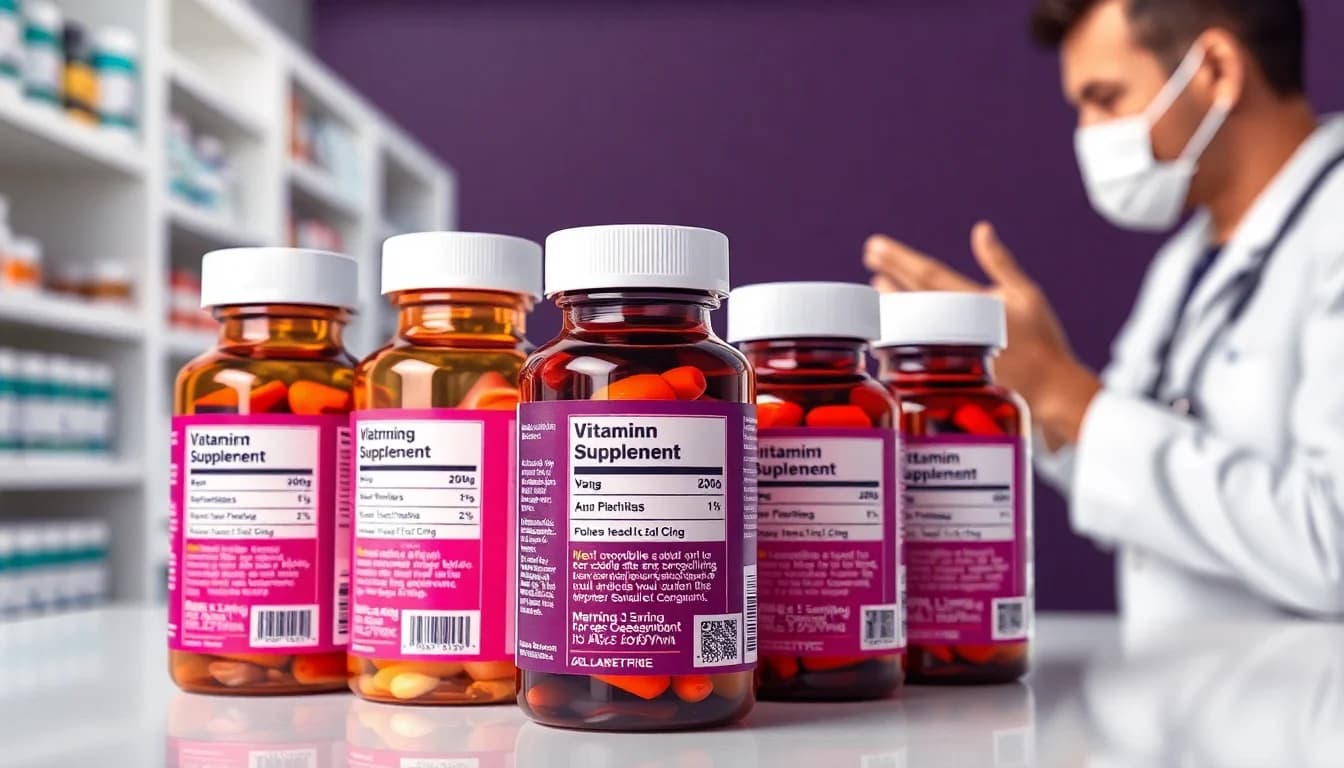
Supplement stacking — the practice of combining multiple dietary supplements without comprehensive medical oversight — has become increasingly prevalent as consumers seek to optimize health outcomes through self-directed supplementation regimens. However, pharmacy experts note that many patients fail to recognize cumulative toxicity risks when the same active ingredient appears across multiple products.
Key risk factors identified by pharmacists include:
- Vitamin D fortification in multivitamins, standalone supplements, and specialized formulations creating unintentional overdosing
- Lack of standardized dosing guidance across different supplement brands and formulations
- Insufficient patient awareness of fat-soluble vitamin accumulation and toxicity thresholds
- Limited pharmacist involvement in over-the-counter supplement selection and monitoring
- Inadequate adverse event reporting mechanisms for dietary supplement complications
Vitamin D toxicity, while relatively rare, can result in hypercalcemia, kidney dysfunction, and in severe cases, fatal cardiac complications. The nutrient's fat-soluble nature means excess amounts accumulate in body tissues rather than being excreted, making prolonged overconsumption particularly dangerous. Industry data suggests that vitamin D supplements are among the most commonly consumed dietary supplements globally, with usage rates exceeding 40% in some demographic groups.
Pharmacist Organizations Call for Urgent Reforms
Professional pharmacy associations are now advocating for comprehensive reforms to supplement counseling practices and product labeling requirements. These recommendations include mandatory pharmacist consultations for high-dose vitamin supplements, clearer cumulative dose warnings on product labels, and enhanced training for healthcare professionals on identifying supplement stacking patterns during patient interactions.
Several leading pharmacy organizations have emphasized that current regulatory frameworks treat dietary supplements differently from prescription medications, resulting in significant gaps in safety monitoring and patient education. Unlike prescription drugs, supplements do not require pre-market approval for safety and efficacy, and adverse event reporting remains largely voluntary rather than mandatory.
The industry is also grappling with the challenge of consumer perception, as many patients view supplements as inherently safe natural products that cannot cause harm. This misconception, experts warn, contributes to inadequate attention to dosing guidelines and potential drug-supplement interactions. Patients using PharmoniQ's supplement safety checker can identify potential stacking risks and interaction concerns before beginning new supplement regimens.
Regulatory Response and Industry Implications
The fatal case has reignited discussions about potential regulatory changes in supplement oversight, with some industry observers anticipating increased scrutiny from health authorities. Regulatory bodies in multiple jurisdictions are reportedly reviewing current supplement safety communication requirements, with particular focus on high-dose vitamin and mineral formulations.
Manufacturers may face pressure to implement more prominent warning labels, maximum dosage indicators that account for typical multi-supplement usage patterns, and potentially mandatory pharmacist consultation requirements for products exceeding certain potency thresholds. Some industry analysts suggest these changes could reshape the competitive landscape in the dietary supplement sector, favoring companies with robust safety communication programs and clinical support infrastructure.
The economic implications are significant, as the global dietary supplement market continues its rapid growth trajectory, with vitamin D products representing a substantial segment. Industry forecasters note that enhanced safety requirements could increase compliance costs while simultaneously building consumer confidence in properly regulated products.
Looking Ahead: Patient Education Priorities
Moving forward, pharmacy experts emphasize that preventing similar tragedies requires a multi-stakeholder approach involving healthcare providers, supplement manufacturers, regulators, and consumers. Enhanced patient education initiatives should focus on teaching consumers to disclose all supplement use during medical consultations, understand cumulative dosing across multiple products, and recognize early warning signs of vitamin toxicity.
Healthcare systems are exploring technology solutions to track supplement usage alongside prescription medications, enabling better identification of stacking risks and potential interactions. For consumers seeking to verify the safety of their supplement regimens, comprehensive screening tools like those available at PharmoniQ's vitamin D information page provide evidence-based guidance on appropriate dosing and risk factors.
As supplement usage continues to rise across all demographic groups, the industry faces a critical inflection point where proactive safety measures and transparent risk communication may determine both regulatory outcomes and public trust in dietary supplement products. The pharmaceutical community's response to this tragic case will likely establish precedents for supplement safety standards for years to come.
Check Your Supplement Interactions
Use our AI-powered checker to analyze supplement safety and interactions.
Open Interaction Checker →Comments (0)
This article is for informational purposes only and does not constitute medical or investment advice. It was written with AI assistance from the sources listed above. Check the original sources before relying on any detail.