Eledon Reports 100% Insulin Independence in Islet Transplant Study
Eledon Pharmaceuticals has reported compelling clinical results from an investigator-initiated islet transplant trial, with 10 of 12 enrolled patients achieving complete insulin independence at an average follow-up of approximately eight months post-transplant. The findings represent a significant milestone in the pursuit of functional cures for Type 1 diabetes and could reshape treatment paradigms for patients currently dependent on daily insulin therapy.
The trial, which has now completed enrollment of its 12-patient cohort, demonstrates the potential of islet cell transplantation combined with Eledon's immunosuppressive therapy to restore endogenous insulin production in individuals with Type 1 diabetes. According to the company's updated data release, the achievement of insulin independence in 83% of participants at this follow-up interval exceeds historical benchmarks for similar transplant protocols and suggests improved graft survival compared to conventional immunosuppression approaches.
Understanding Islet Transplantation Technology
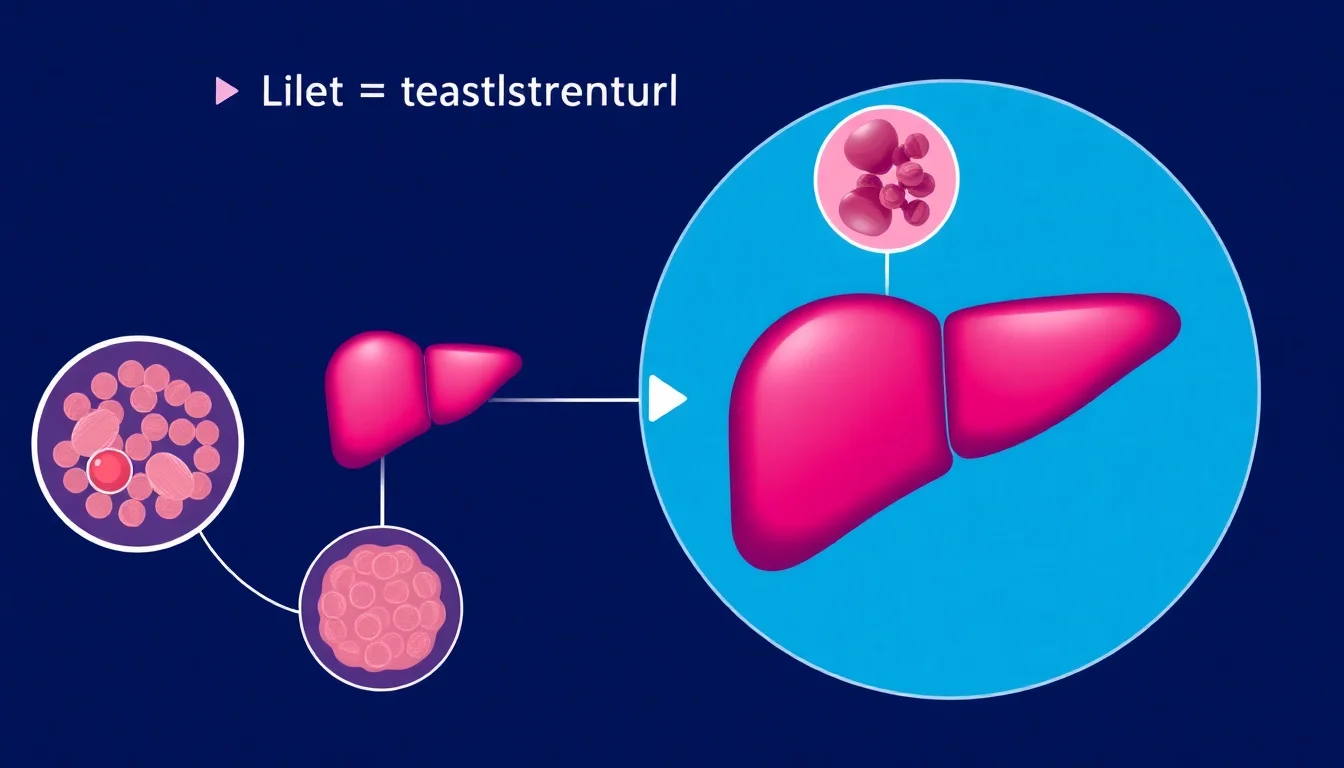
Islet transplantation involves harvesting insulin-producing beta cells from donor pancreases and infusing them into the liver of recipients with Type 1 diabetes. The procedure offers a less invasive alternative to whole pancreas transplantation while potentially delivering similar metabolic benefits. Key advantages include:
- Minimally invasive infusion procedure compared to major surgical transplantation
- Restoration of glucose-responsive insulin secretion and normal metabolic regulation
- Elimination of hypoglycemia risk associated with exogenous insulin dosing
- Improved quality of life without the burden of multiple daily insulin injections
The primary challenge historically has been maintaining long-term graft function, as conventional immunosuppression protocols often prove inadequate to prevent rejection while simultaneously creating metabolic stress on the transplanted islets themselves. Eledon's approach aims to address this limitation through targeted immune modulation that preserves graft viability.
Clinical Significance and Patient Impact
For the estimated 1.9 million Americans living with Type 1 diabetes, achieving insulin independence represents a transformative outcome. The condition requires lifelong insulin therapy, continuous glucose monitoring, and careful management to prevent both acute hypoglycemic emergencies and long-term complications including cardiovascular disease, neuropathy, and kidney damage.
The eight-month average follow-up data from Eledon's trial suggests durable engraftment and sustained beta cell function in the majority of recipients. Industry analysts note that maintaining insulin independence beyond the six-month threshold is particularly meaningful, as early graft loss typically manifests within the first 90 days post-transplant. The extended follow-up period provides increasing confidence in the durability of the therapeutic effect.
Patients achieving insulin independence typically demonstrate normalized hemoglobin A1c levels, elimination of severe hypoglycemic episodes, and restoration of counter-regulatory hormone responses—all critical factors in reducing diabetes-related morbidity and mortality. For individuals with hypoglycemia unawareness or extreme glycemic variability despite optimized insulin therapy, these outcomes represent life-changing improvements in metabolic control and daily functioning.
Immunosuppression Innovation
Eledon's investigational therapy leverages a novel mechanism of immune regulation designed to prevent both acute rejection and the chronic inflammatory processes that compromise long-term graft survival. The company's approach targets specific pathways in the immune response while theoretically preserving broader immune competence—a critical consideration given that transplant recipients require indefinite immunosuppression.
Traditional immunosuppressive regimens used in islet transplantation have shown variable success rates, with many patients experiencing declining graft function over time. The trial's current results suggest Eledon's protocol may offer improved graft protection, though longer-term follow-up data will be essential to confirm sustained durability. Researchers emphasize that achieving insulin independence at eight months post-transplant is encouraging, but five-year outcomes remain the gold standard for evaluating transplant success.
Market and Regulatory Outlook
The positive trial results position Eledon to advance its development program toward potential regulatory submissions, though significant additional clinical work remains. The company will need to demonstrate consistent outcomes across larger patient populations and establish long-term safety and efficacy profiles before pursuing approval for commercial use.
The Type 1 diabetes treatment market continues to expand with innovations in insulin formulations, automated delivery systems, and glucose monitoring technology. However, none of these advances offers the prospect of functional cure that successful islet transplantation represents. Market analysts estimate the addressable patient population for transplant therapy could include tens of thousands of individuals with difficult-to-control disease who meet eligibility criteria.
From a practical standpoint, widespread adoption of islet transplantation faces challenges including limited donor organ availability, the need for lifelong immunosuppression, and questions about long-term cost-effectiveness compared to conventional therapy. Nevertheless, for appropriately selected patients, the therapy offers transformative potential that existing treatments cannot match.
Patients interested in learning more about diabetes management options and supplement considerations can explore resources through PharmoniQ's interaction checker to understand potential effects on glucose metabolism and medication interactions.
Looking Ahead
As Eledon continues follow-up with current trial participants and potentially initiates expanded studies, the pharmaceutical and diabetes research communities will be watching closely for durability data and any signals of delayed graft dysfunction. The current results provide encouraging evidence that improved immunosuppression strategies can enhance islet transplant outcomes, potentially expanding eligibility and improving long-term success rates for this promising therapeutic approach.
The achievement of 100% insulin independence in 83% of patients at eight-month follow-up represents meaningful progress toward making islet transplantation a viable treatment option for broader populations of Type 1 diabetes patients who have exhausted conventional management strategies.
Check Your Supplement Interactions
Use our AI-powered checker to analyze supplement safety and interactions.
Open Interaction Checker →Comments (0)
This article is for informational purposes only and does not constitute medical or investment advice. It was written with AI assistance from the sources listed above. Check the original sources before relying on any detail.