Drugmakers Race to Expand US Manufacturing Amid Tariff Pressure
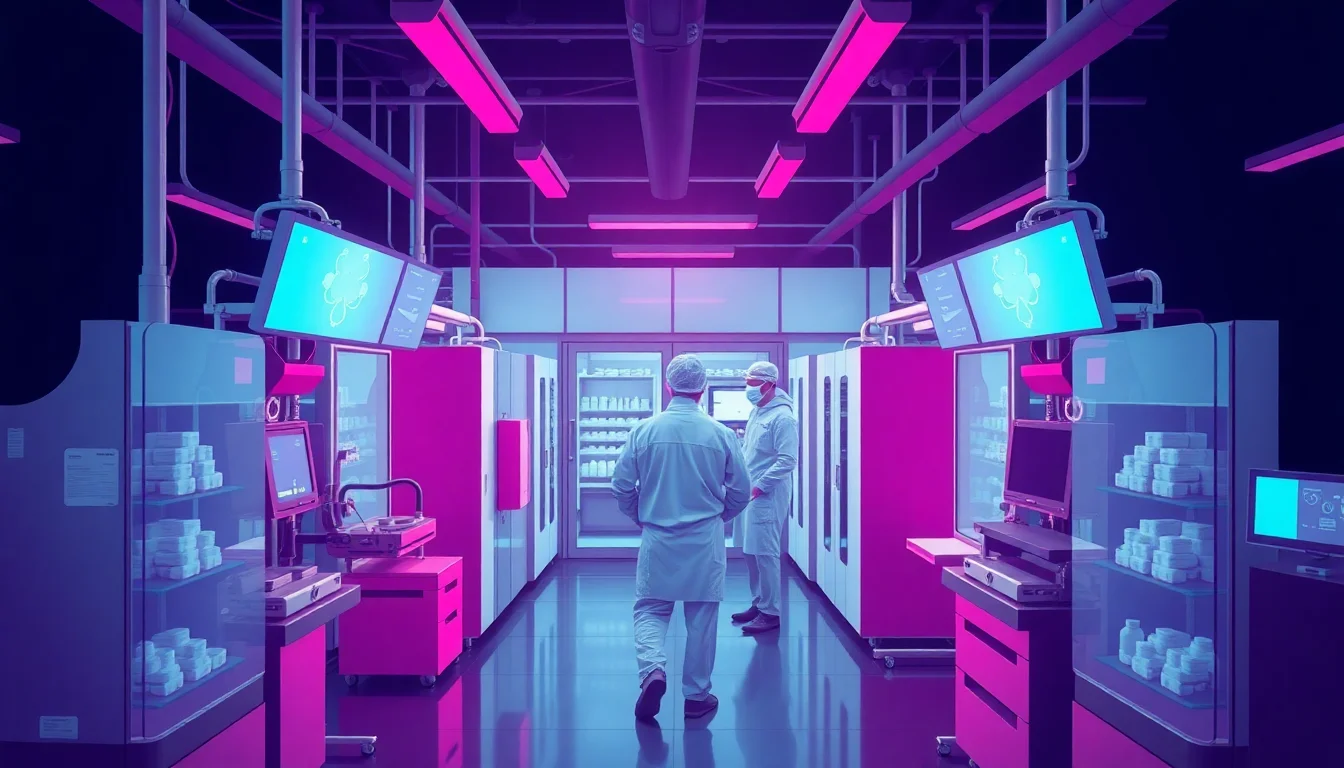
The global pharmaceutical industry is undergoing one of its most significant supply chain transformations in decades as major drugmakers scramble to expand US manufacturing capacity in response to potential 100% tariffs on imported branded medications. The Trump administration's consideration of these unprecedented tariffs has triggered an urgent wave of investment decisions, production relocations, and strategic inventory buildups that could fundamentally reshape where and how medicines are manufactured for the American market.
The Tariff Threat Reshaping Pharma Strategy
Industry analysts report that the potential tariff policy represents the most aggressive trade action ever proposed against pharmaceutical imports. If implemented, the 100% tariff would effectively double the cost of branded drugs manufactured outside the United States, creating immediate economic pressure to shift production domestically. Major pharmaceutical manufacturers, many of which currently produce significant portions of their US-bound products in facilities across Europe, Asia, and Latin America, are now rushing to reassess decades-old supply chain decisions.
According to pharmaceutical trade associations, the proposed tariffs would affect an estimated $80-100 billion in annual drug imports to the United States. The policy appears designed to encourage reshoring of pharmaceutical manufacturing, addressing long-standing concerns about supply chain vulnerabilities exposed during the COVID-19 pandemic. However, the rapid implementation timeline has left companies with limited options beyond immediate stockpiling and accelerated facility planning.
Manufacturing Expansion and Capacity Challenges
Global drugmakers are responding with a multi-pronged approach to mitigate tariff exposure. Key strategies include:
- Accelerated US facility expansion: Several major manufacturers have announced plans to fast-track construction or expansion of US-based production facilities, with some projects moving from multi-year timelines to 18-24 month targets
- Strategic inventory buildups: Companies are significantly increasing inventory levels of imported products to maintain supply during the transition period, with some reports indicating 6-9 month stockpiles being established
- Technology transfer initiatives: Drugmakers are initiating rapid technology transfers to move production processes from international facilities to existing or planned US sites
- Contract manufacturing partnerships: Increased demand for US-based contract manufacturing organizations (CMOs) as companies seek immediate production capacity
Industry experts note that pharmaceutical manufacturing cannot be relocated overnight. Building new facilities or expanding existing ones requires substantial capital investment, regulatory approvals from the FDA, and complex validation processes to ensure product quality and consistency. For biologics and complex generics, the technical challenges are even more significant, potentially requiring 3-5 years for full production transitions.
Cost Implications and Market Impact
The financial implications of this manufacturing shift are substantial. Pharmaceutical executives have noted that US-based manufacturing typically costs 20-40% more than production in lower-cost markets like India, Ireland, or Puerto Rico due to higher labor costs, stricter environmental regulations, and more expensive utilities. These increased production costs will likely translate to higher drug prices for consumers and payers, though the magnitude depends on how companies balance tariff avoidance against manufacturing premiums.
Market analysts suggest that smaller and mid-sized pharmaceutical companies may face the greatest challenges, as they often lack the capital resources and existing US manufacturing footprint of large multinational corporations. Some companies may opt to absorb tariff costs in the short term rather than make large infrastructure investments, particularly for products with limited remaining patent life or smaller market volumes.
For consumers seeking information about drug sourcing and quality, resources like PharmoniQ's drug verification tools can provide transparency about medication origins and manufacturing standards. As supply chains shift, understanding where and how medications are produced becomes increasingly important for both safety and cost considerations.
Looking Ahead: Long-Term Supply Chain Transformation
Whether or not the full 100% tariff is ultimately implemented, the pharmaceutical industry's supply chain landscape is already changing. The tariff threat has accelerated conversations about supply chain resilience, national security considerations in drug manufacturing, and the balance between globalization and domestic production capacity that had been building since pandemic-era shortages.
Regulatory agencies, including the FDA, are reportedly working to streamline approval processes for facility expansions and manufacturing site changes to support the industry transition. However, the agency has emphasized that expedited timelines cannot compromise drug quality or safety standards, creating a tension between speed and regulatory rigor.
Industry leaders suggest that regardless of immediate policy outcomes, the past several months have permanently shifted strategic thinking around pharmaceutical manufacturing location. Companies are now building supply chain resilience and geographic diversification into long-term planning in ways that prioritize US production capacity far more than previous decades. This represents a fundamental recalibration of global pharmaceutical manufacturing that will shape the industry for years to come, with significant implications for drug costs, availability, and the competitive landscape of pharmaceutical production.
Check Your Supplement Interactions
Use our AI-powered checker to analyze supplement safety and interactions.
Open Interaction Checker →Comments (0)
This article is for informational purposes only and does not constitute medical or investment advice. It was written with AI assistance from the sources listed above. Check the original sources before relying on any detail.