Drugmakers Accelerate U.S. Manufacturing Amid 100% Tariff Threat
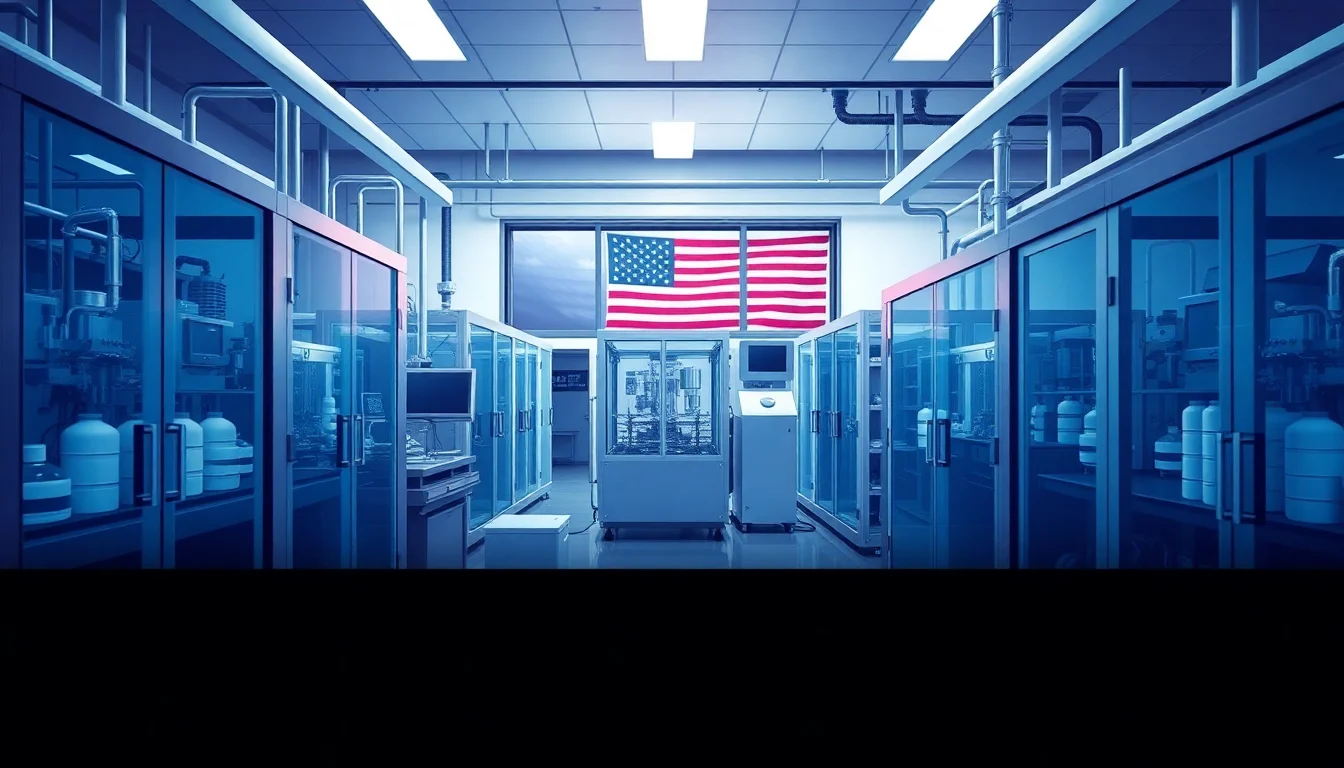
Global pharmaceutical manufacturers are undertaking a significant strategic pivot, rapidly expanding U.S. manufacturing operations and building substantial inventory reserves in response to the Trump administration's consideration of imposing 100% tariffs on imported branded and generic medications. This development represents one of the most dramatic shifts in pharmaceutical supply chain strategy in recent decades, with far-reaching implications for drug pricing, availability, and the future structure of the global pharmaceutical industry.
The potential tariff policy has triggered an urgent reassessment of manufacturing footprints among both multinational pharmaceutical giants and generic drug producers who have historically relied heavily on overseas production facilities, particularly in India, China, and Europe. Industry analysts characterize the response as unprecedented in both speed and scale, reflecting the existential nature of the threat to current business models.
Strategic Manufacturing Expansion
Pharmaceutical companies are pursuing multiple strategies to mitigate potential disruption from tariff implementation. According to industry sources, major drugmakers are accelerating investment in U.S.-based manufacturing facilities, expediting construction timelines, and repurposing existing domestic capacity for products previously manufactured abroad. Several companies have announced plans to bring production of high-volume generic medications back to the United States, reversing decades of offshoring trends.
The expansion encompasses both active pharmaceutical ingredient (API) production and finished dosage manufacturing. Notably, API production has been particularly concentrated overseas in recent years, with approximately 70-80% of APIs used in U.S. medications sourced from foreign suppliers. This concentration has raised longstanding concerns about supply chain resilience and national security, concerns that the tariff threat has brought into sharp focus.
Key industry responses include:
- Expedited construction and certification of new U.S. manufacturing facilities
- Conversion of existing domestic facilities to accommodate additional product lines
- Significant inventory stockpiling to ensure supply continuity during transition periods
- Strategic partnerships with U.S.-based contract manufacturers to expand capacity
- Increased investment in automation and advanced manufacturing technologies to offset higher domestic labor costs
Supply Chain and Pricing Implications
The shift toward domestic manufacturing carries significant implications for pharmaceutical pricing and supply chain dynamics. Manufacturing medications in the United States typically involves higher labor costs, more stringent regulatory compliance expenses, and increased capital investment requirements compared to overseas production. Industry experts estimate that domestic manufacturing costs for many generic medications could be 20-40% higher than current import-based models.
However, proponents of domestic manufacturing expansion argue that these cost increases may be partially offset by reduced transportation expenses, lower inventory carrying costs, faster time-to-market for new products, and enhanced supply chain reliability. The elimination of tariff expenses would also provide substantial savings if companies successfully transition production before tariffs take effect.
Healthcare systems and pharmacy benefit managers are closely monitoring these developments, concerned about potential impacts on drug pricing and formulary management. Some analysts suggest that the increased manufacturing costs could translate to higher medication prices for consumers and payers, particularly for generic drugs where price competition has historically been intense. Others note that enhanced domestic production capacity could improve supply reliability and reduce the frequency of drug shortages that have plagued the U.S. market in recent years.
Regulatory and Workforce Challenges
The rapid expansion of domestic pharmaceutical manufacturing faces several significant hurdles. FDA facility inspections and certifications represent a critical bottleneck, as new manufacturing sites must undergo rigorous approval processes before commercial production can commence. The agency has indicated willingness to expedite reviews where appropriate, but maintaining quality and safety standards remains paramount.
Workforce development presents another substantial challenge. The pharmaceutical manufacturing sector requires highly trained personnel with specialized expertise in chemistry, engineering, and quality control. Industry groups are collaborating with educational institutions and workforce development programs to expand training capacity and address anticipated talent gaps as domestic production scales up.
For consumers concerned about medication quality and sourcing, tools like PharmoniQ's supplement and drug interaction checker can help verify product information and assess potential interactions, regardless of where medications are manufactured.
Looking Ahead: Reshaping Global Pharma
The current manufacturing acceleration represents more than a short-term response to tariff threats—it signals a potential long-term restructuring of global pharmaceutical supply chains. Industry leaders acknowledge that even if proposed tariffs are modified or never implemented, the strategic vulnerability exposed by this episode will likely drive continued investment in domestic manufacturing capacity and supply chain diversification.
Several pharmaceutical trade associations have called for comprehensive policy approaches that incentivize domestic manufacturing through a combination of tax incentives, regulatory streamlining, and infrastructure investment rather than relying solely on tariff threats. These organizations argue that sustainable reshoring of pharmaceutical production requires addressing the fundamental economic factors that drove offshoring in the first place.
The coming months will prove critical as companies balance immediate tactical responses with long-term strategic positioning. The pharmaceutical industry's ability to successfully navigate this transition while maintaining medication access, quality, and affordability will have profound implications for U.S. healthcare delivery and the global pharmaceutical landscape for years to come.
Check Your Supplement Interactions
Use our AI-powered checker to analyze supplement safety and interactions.
Open Interaction Checker →Comments (0)
This article is for informational purposes only and does not constitute medical or investment advice. Content is generated with AI assistance and reviewed for accuracy.