Drug Repurposing Market Hits $29.4B as Industry Seeks Cost Relief
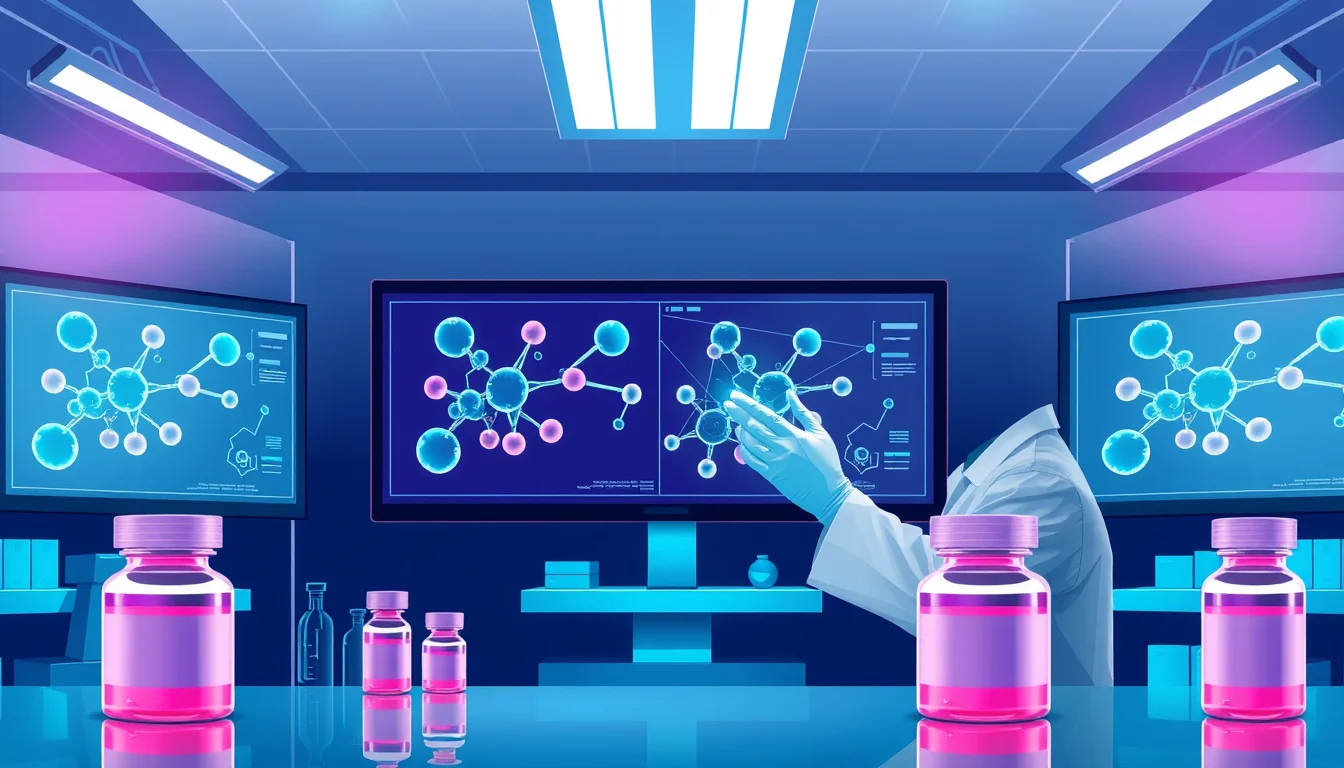
The pharmaceutical industry is witnessing a strategic pivot toward drug repurposing, with the global market reaching a valuation of $29.4 billion in 2024, according to a new global strategic business report. Analysts project the sector will expand to $37.3 billion by 2030, reflecting a compound annual growth rate that underscores growing industry confidence in recycling existing compounds for new therapeutic applications.
This shift comes at a critical juncture for drugmakers facing mounting R&D costs, extended development timelines, and new economic pressures including tariffs that disproportionately impact smaller pharmaceutical companies. Drug repurposing—the process of identifying new uses for already-approved medications—offers a compelling alternative to the traditional drug development pathway, which typically requires 10-15 years and costs exceeding $2.6 billion per approved compound.
Why Repurposing Is Gaining Momentum
The economics of drug repurposing present a stark contrast to de novo drug development. Because repurposed drugs have already cleared safety trials and received regulatory approval for other indications, companies can bypass early-stage toxicology studies and accelerate clinical testing. This translates to development timelines shortened by 3-5 years and cost reductions of up to 50-70% compared to traditional pathways.
Several factors are converging to make repurposing particularly attractive in the current market environment:
- Regulatory efficiency: Existing safety profiles expedite FDA and EMA review processes
- Lower risk profiles: Known pharmacokinetics reduce likelihood of late-stage failures
- Patent opportunities: New indications can extend commercial lifespan of mature compounds
- Economic pressures: Tariffs and supply chain costs are squeezing margins, particularly for mid-sized drugmakers
Industry analysts note that smaller pharmaceutical companies, which lack the deep capital reserves of major players, are particularly vulnerable to current economic headwinds. For these firms, repurposing represents not just an opportunity but increasingly a necessity for maintaining competitive R&D pipelines without unsustainable cash burn rates.
Recent Success Stories Fueling Investment
The repurposing market's growth is being driven by tangible success stories that validate the strategy. Thalidomide's transformation from withdrawn sedative to cancer treatment, aspirin's expansion from pain reliever to cardiovascular prophylactic, and metformin's potential applications beyond diabetes have demonstrated the commercial viability of finding new uses for established drugs.
More recently, computational drug discovery and artificial intelligence have turbocharged repurposing efforts. Advanced screening techniques can now analyze thousands of approved compounds against novel disease targets in weeks rather than years, identifying promising candidates that might have been overlooked through traditional research methods.
Pharmaceutical companies are also leveraging real-world evidence and electronic health records to identify unexpected therapeutic benefits. When patients taking medications for one condition show improvements in unrelated health markers, these signals can launch formal repurposing investigations. Tools for analyzing drug interactions and effects have become increasingly sophisticated, enabling researchers to spot these patterns more reliably.
Challenges and Regulatory Considerations
Despite the compelling economics, drug repurposing faces distinct challenges. Intellectual property complexities can limit commercial incentives when original patents have expired, making it difficult to justify significant investment in clinical trials for off-patent compounds. Regulatory pathways, while faster than new drug approval, still require substantial evidence demonstrating efficacy for new indications.
Additionally, the repurposing process isn't universally applicable. Not all approved drugs have untapped therapeutic potential, and identifying viable candidates requires sophisticated screening capabilities and deep understanding of disease mechanisms. The success rate, while higher than traditional development, still means most repurposing candidates won't reach commercialization.
Market Outlook and Industry Implications
The projected growth to $37.3 billion by 2030 suggests drug repurposing will become a standard component of pharmaceutical R&D strategy rather than an opportunistic sideline. This evolution could fundamentally reshape how the industry allocates research budgets, with more resources flowing toward computational screening and systematic evaluation of approved drug libraries.
For investors and industry observers, the expansion of the repurposing market signals a maturation of pharmaceutical innovation beyond the blockbuster model. As development costs continue rising and regulatory scrutiny intensifies, the industry appears to be embracing pragmatic approaches that balance innovation with economic reality.
The trend also has implications for supplement and nutraceutical markets, where similar repurposing principles apply. Compounds with established safety profiles in dietary supplements are increasingly being evaluated for pharmaceutical applications, blurring traditional boundaries between categories.
Looking ahead, the drug repurposing market's growth trajectory suggests this approach will play an increasingly central role in addressing unmet medical needs while managing the industry's cost pressures. As economic headwinds persist and R&D efficiency becomes paramount, expect repurposing to transition from alternative strategy to mainstream pharmaceutical development pathway.
Check Your Supplement Interactions
Use our AI-powered checker to analyze supplement safety and interactions.
Open Interaction Checker →Comments (0)
This article is for informational purposes only and does not constitute medical or investment advice. Content is generated with AI assistance and reviewed for accuracy.