CraniUS Therapeutics Secures Second FDA Clearance in Six Weeks

CraniUS Therapeutics announced on October 7, 2026, that it has secured FDA 510(k) clearance for its NeuroPASS™ 3 Cranial Drug Delivery System, marking the company's second regulatory approval in just six weeks. The medical device manufacturer also received U.S. patent protection for the technology, representing a significant milestone in the development of targeted neurological treatment delivery methods.
The dual achievement of regulatory clearance and intellectual property protection positions CraniUS as a notable player in the specialized field of cranial drug administration, where precision delivery to brain tissue remains one of medicine's most challenging frontiers. According to industry observers, the rapid succession of FDA clearances suggests both the clinical need for such technologies and the strength of the company's regulatory strategy.
Understanding the NeuroPASS™ 3 Technology
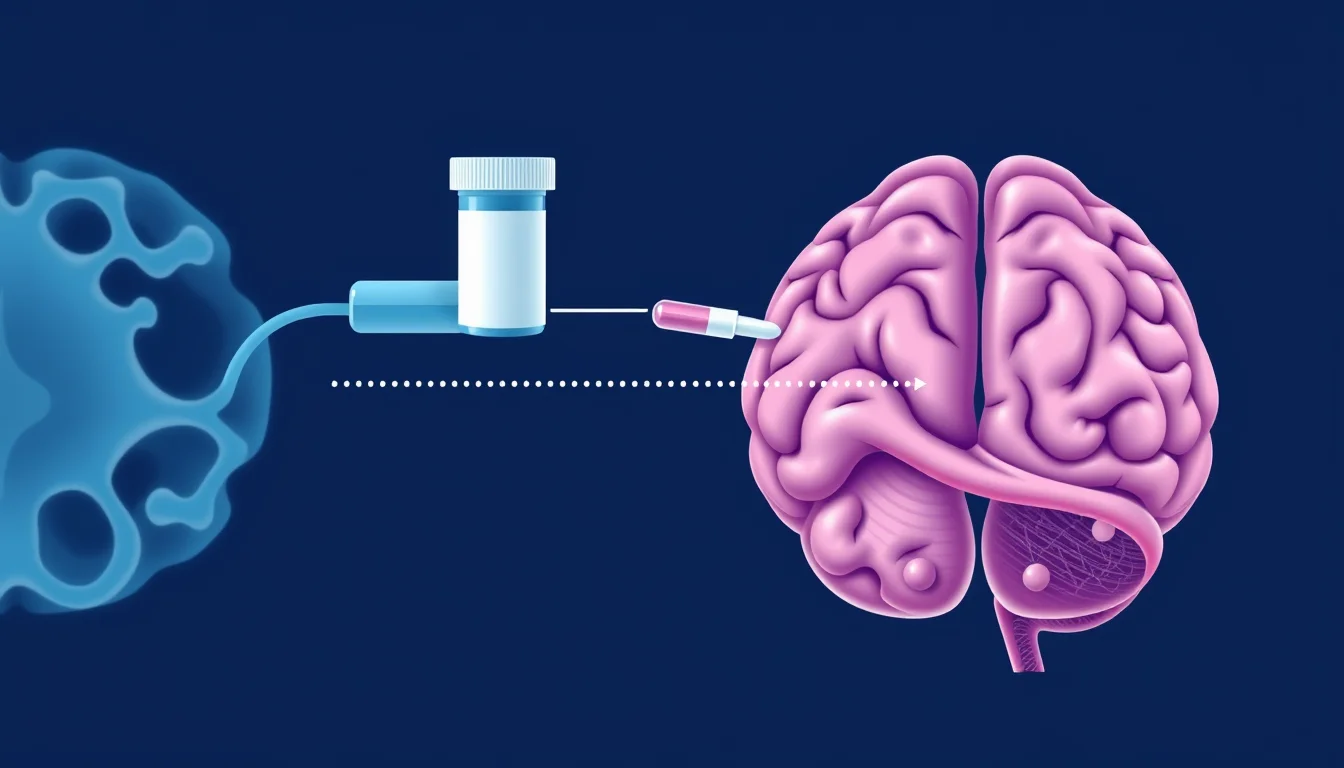
The NeuroPASS™ 3 system represents an evolution in cranial drug delivery methodology, designed to enable more precise administration of medications directly to targeted areas of the brain. Traditional systemic drug delivery methods face significant challenges when treating neurological conditions, primarily due to the blood-brain barrier—a protective mechanism that prevents many therapeutic compounds from reaching brain tissue in effective concentrations.
Cranial drug delivery systems address this limitation by bypassing the blood-brain barrier entirely, allowing medications to reach their intended targets more efficiently. The technology has potential applications across multiple neurological conditions, including:
- Glioblastoma and other primary brain tumors requiring localized chemotherapy
- Chronic pain syndromes affecting the head and face
- Neurodegenerative diseases requiring targeted therapeutic intervention
- Post-surgical pain management following cranial procedures
The 510(k) clearance pathway, which demonstrates that a new device is substantially equivalent to legally marketed predicate devices, allows for faster market entry compared to the more rigorous premarket approval (PMA) process. The fact that CraniUS secured two such clearances in rapid succession indicates the FDA found the company's submissions well-documented and the devices' safety and efficacy profiles acceptable based on existing clinical data.
Regulatory Momentum and Market Implications
The six-week interval between FDA clearances is notably brief in the medical device sector, where regulatory reviews typically span several months. According to analysts familiar with FDA device review timelines, this pace suggests either exceptionally thorough initial submissions or priority consideration based on unmet clinical needs. The concurrent patent approval adds another layer of commercial protection, potentially giving CraniUS exclusive rights to key aspects of its cranial delivery technology for years to come.
Patent protection in the medical device space serves dual purposes: it creates barriers to direct competition while simultaneously validating the novelty of the underlying technology. For investors and healthcare systems evaluating new technologies, issued patents signal that the innovation represents a genuine advancement rather than an incremental modification of existing approaches.
The neurological drug delivery market has seen growing interest as pharmaceutical companies develop increasingly sophisticated therapies for brain disorders. However, these advanced treatments often cannot reach their targets effectively using conventional delivery methods. Technologies like NeuroPASS™ 3 potentially unlock the clinical value of medications that might otherwise show limited efficacy due to delivery limitations.
Industry Context and Competitive Landscape
CraniUS enters a medical device market segment that has seen steady innovation but remains relatively specialized. Cranial drug delivery systems require neurosurgical expertise for implantation and ongoing management, limiting their application to medical centers with appropriate capabilities. However, for patients with conditions requiring targeted brain therapy, these systems may offer advantages over systemic treatments in terms of efficacy and reduced side effects.
The company's rapid regulatory success comes at a time when the FDA has emphasized breakthrough designation pathways and expedited review for technologies addressing serious conditions with limited treatment options. Neurological disorders, particularly aggressive brain cancers, represent exactly the type of high-need area where regulatory agencies have shown willingness to accelerate appropriate innovations to market.
For healthcare providers and patients exploring treatment options, understanding the regulatory status of medical devices remains crucial. Tools like PharmoniQ's safety checker help consumers and providers stay informed about the approval status and safety profiles of both pharmaceutical products and medical devices entering the market.
Looking Ahead: Implications for Neurological Care
The approval of NeuroPASS™ 3 reflects broader trends in precision medicine, where treatments increasingly target specific anatomical locations or molecular pathways rather than affecting entire body systems. As pharmaceutical research produces more potent and specific neurological therapies, the demand for precise delivery systems is likely to grow correspondingly.
Clinical adoption will depend on several factors beyond regulatory clearance, including reimbursement decisions by insurers, training programs for neurosurgeons, and the accumulation of real-world evidence demonstrating clinical benefits. Early adopter institutions will likely be academic medical centers and specialized neurological treatment facilities with existing expertise in device-based interventions.
For CraniUS Therapeutics, the challenge now shifts from regulatory approval to commercial execution—demonstrating clinical value, securing favorable reimbursement terms, and building the infrastructure necessary to support widespread adoption. The company's ability to secure two FDA clearances in rapid succession suggests organizational capabilities that may serve it well in navigating these next phases of commercialization.
As the neurological device market continues evolving, stakeholders across the healthcare ecosystem will be watching to see whether targeted cranial delivery systems like NeuroPASS™ 3 fulfill their promise of improving outcomes for patients with challenging brain disorders.
Check Your Supplement Interactions
Use our AI-powered checker to analyze supplement safety and interactions.
Open Interaction Checker →Comments (0)
This article is for informational purposes only and does not constitute medical or investment advice. Content is generated with AI assistance and reviewed for accuracy.