Heavy Metals Found in 134 Protein Powders: Clean Label Report
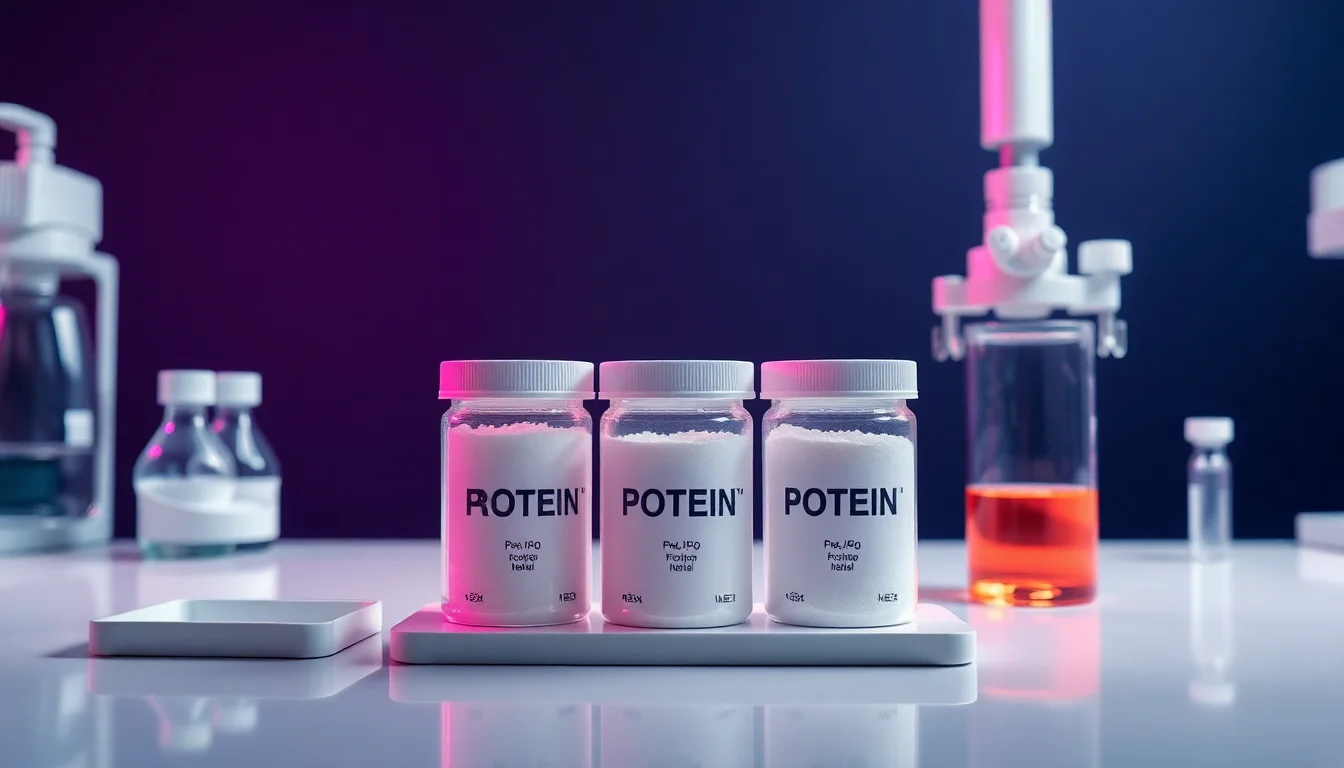
A comprehensive investigation by the Clean Label Project has uncovered troubling levels of heavy metal contamination across 134 protein powder products, casting a spotlight on quality control gaps in one of the supplement industry's most popular categories. The independent testing revealed detectable amounts of lead, arsenic, cadmium, and mercury in products marketed to health-conscious consumers, alongside concerning levels of bisphenol-A (BPA) leaching from packaging materials.
The findings represent a significant expansion of safety concerns beyond recent gas station supplement alerts, now encompassing mainstream protein products found on retail shelves nationwide. Unlike isolated recalls of niche products, this investigation points to systematic contamination issues affecting a supplement category that generates over $7 billion in annual U.S. sales.
Scale and Severity of Contamination
The Clean Label Project's rigorous screening process tested products across multiple categories including whey protein isolates, plant-based protein blends, and ready-to-drink protein shakes. Key findings from the investigation include:
- Heavy metal presence: More than 75% of tested products contained detectable levels of at least one heavy metal contaminant
- Lead contamination: Approximately 55% of products showed measurable lead content, with some samples exceeding California Proposition 65 thresholds
- Arsenic detection: Nearly 40% of tested powders contained arsenic, including both organic and inorganic forms
- BPA concerns: Over 50% of plastic-packaged products showed evidence of BPA migration from containers into powder contents
- No category immunity: Both animal-based and plant-based protein sources showed contamination, though plant proteins exhibited higher heavy metal levels on average
According to toxicology experts consulted for the report, chronic exposure to these contaminants—even at low levels—poses particular risks for frequent protein powder consumers who may consume one or more servings daily. Children, pregnant women, and individuals with compromised kidney function face elevated vulnerability to heavy metal accumulation.
Beyond FDA Oversight Gaps
The contamination revelations highlight structural limitations in the current regulatory framework governing dietary supplements. Under the Dietary Supplement Health and Education Act (DSHEA), manufacturers bear primary responsibility for ensuring product safety before market entry, with FDA enforcement typically occurring only after adverse events surface.
"This represents a fundamental gap in consumer protection," notes Dr. Maria Hendricks, a pharmaceutical quality analyst not involved in the study. "Unlike pharmaceutical drugs that undergo pre-market approval, supplements can reach consumers without independent verification of purity or contamination levels."
The protein powder contamination stems from multiple sources throughout the supply chain. Heavy metals enter through contaminated soil affecting plant-based protein sources like pea and hemp, processing equipment that introduces trace metals, and agricultural inputs including certain fertilizers. BPA contamination occurs when plastic packaging materials degrade or when products are stored in high-temperature environments, causing chemical migration into powder contents.
Industry observers note that unlike single-product recalls targeting specific batches, the widespread nature of these findings suggests systemic quality control deficiencies affecting numerous manufacturers. This pattern indicates inadequate raw material screening, insufficient testing protocols, and limited batch-to-batch verification across the supplement manufacturing sector.
Industry Response and Consumer Implications
The Council for Responsible Nutrition, a supplement industry trade association, responded to the findings by emphasizing member companies' commitment to quality standards and calling for enhanced supply chain transparency. Several major protein powder manufacturers have announced plans to implement more rigorous third-party testing protocols and publish contamination screening results.
However, consumer advocacy groups argue that voluntary compliance measures have proven insufficient to address contamination risks systematically. They point to the persistence of heavy metal issues despite years of similar warnings about supplement purity.
For consumers seeking safer protein supplementation options, experts recommend several protective strategies: prioritizing products with third-party certifications from organizations like NSF International or Informed Choice, checking supplement safety databases before purchase, rotating between different protein sources to minimize cumulative exposure, and considering whole food protein sources as alternatives to powdered supplements.
Looking Ahead: Regulatory and Industry Changes
The Clean Label Project findings are expected to intensify calls for regulatory reform in the supplement industry. Congressional staffers indicate renewed interest in legislation that would require pre-market safety testing for high-volume supplement categories, potentially including mandatory heavy metal screening for protein products.
State-level action may precede federal changes, with California and New York legislators reportedly considering bills that would impose stricter contamination limits and mandatory disclosure requirements for supplement manufacturers operating within their jurisdictions. Industry analysts predict these state initiatives could effectively create national standards as manufacturers reformulate products to meet the most stringent requirements.
The investigation also highlights the growing importance of third-party testing organizations in filling regulatory gaps. As consumers become more aware of contamination risks, demand for independently verified supplements is expected to drive market segmentation, with premium brands emphasizing rigorous testing protocols as a competitive differentiator.
For the broader supplement industry, the protein powder contamination report serves as a watershed moment that may accelerate the adoption of pharmaceutical-grade quality control standards across high-volume product categories. Whether through regulatory mandate or market pressure, enhanced purity verification appears increasingly inevitable for an industry whose products are consumed by an estimated 170 million Americans annually.
Check Your Supplement Interactions
Use our AI-powered checker to analyze supplement safety and interactions.
Open Interaction Checker →Comments (0)
This article is for informational purposes only and does not constitute medical or investment advice. It was written with AI assistance from the sources listed above. Check the original sources before relying on any detail.