China's NMPA Records 40 First-Time Approvals in 2025 as Innovation Accelerates
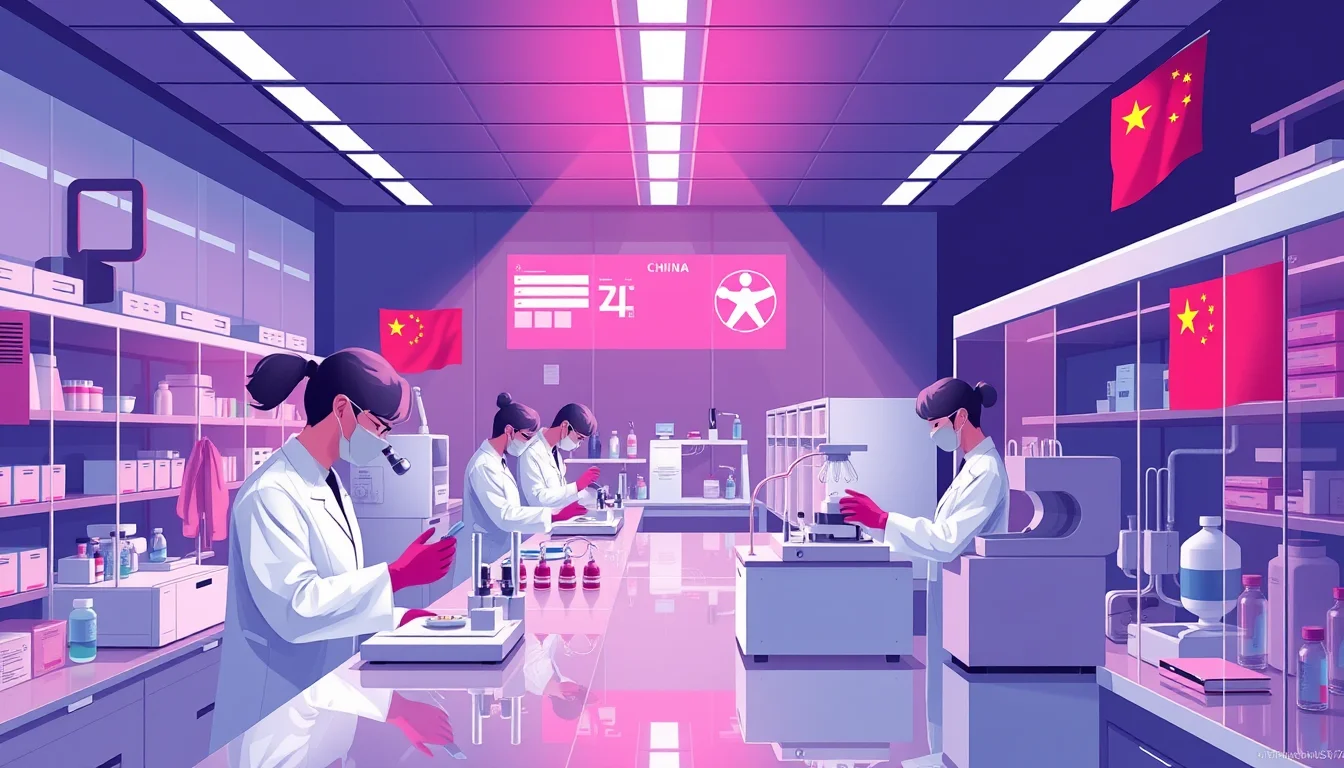
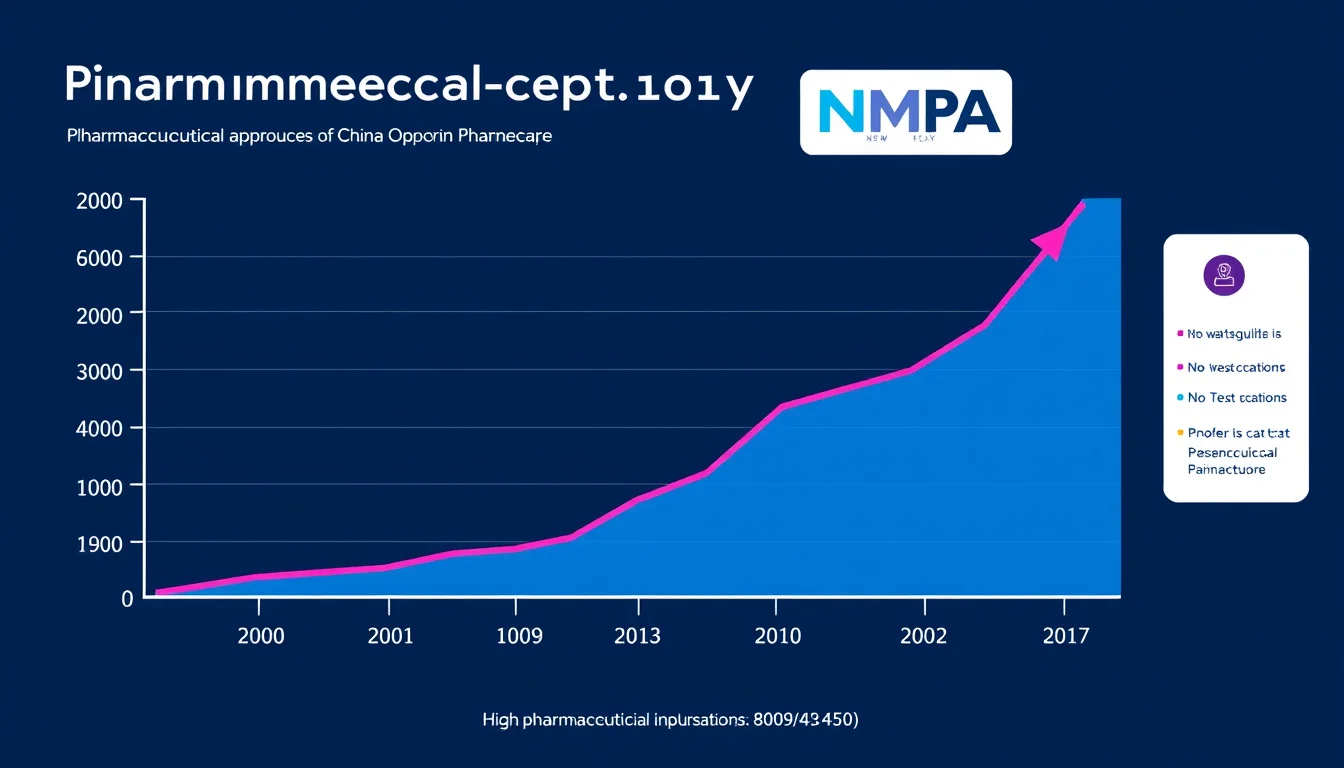
China's National Medical Products Administration (NMPA) has granted approval to 40 novel pharmaceutical products in 2025, marking a significant acceleration in the country's drug approval pipeline and underscoring its rapidly evolving position in the global pharmaceutical landscape. This approval volume, concentrated in just the opening months of the year, represents a notable increase from previous years and signals China's determination to establish itself as a leading innovation center alongside traditional powerhouses in the United States and Europe.
The surge in approvals encompasses a diverse range of therapeutic areas, including oncology, cardiovascular disease, metabolic disorders, and rare diseases. Industry analysts note that these approvals reflect not only increased domestic innovation capacity but also China's growing attractiveness as a priority market for international pharmaceutical companies seeking early commercialization opportunities.
Regulatory Reform Drives Acceleration
The NMPA's expedited approval timeline stems from comprehensive regulatory reforms implemented over the past several years. These reforms have streamlined clinical trial requirements, introduced priority review pathways for innovative therapies, and aligned certain processes more closely with international standards established by the FDA and European Medicines Agency.
According to pharmaceutical industry observers, several factors have contributed to this acceleration:
- Enhanced review capacity: The NMPA has substantially expanded its scientific review workforce and implemented more efficient evaluation procedures
- Priority pathways: Breakthrough therapy designations and conditional approvals have shortened timelines for promising candidates
- Clinical trial acceptance: Greater acceptance of multinational trial data has enabled simultaneous or near-simultaneous global submissions
- Domestic innovation boom: China's biotech sector has matured significantly, generating a robust pipeline of homegrown novel therapeutics
The regulatory modernization has positioned China as an increasingly viable option for first-in-human studies and early-stage development, fundamentally altering traditional drug development geography that historically centered on North American and European sites.
Impact on Global Pharmaceutical Strategy
For multinational pharmaceutical corporations, China's accelerated approval environment is prompting strategic reassessment. Major companies are increasingly incorporating China into global development plans from early stages rather than treating it as a secondary market for post-approval expansion. This shift has significant implications for resource allocation, partnership structures, and commercial forecasting.
The approval surge has also intensified licensing activity. Chinese biotech companies developing innovative assets are attracting substantial interest from Western pharmaceutical companies seeking to in-license promising candidates for development and commercialization in their home markets. This represents a reversal of historical patterns where technology predominantly flowed from West to East.
Cross-border collaboration models are evolving accordingly. Joint ventures, co-development agreements, and manufacturing partnerships between Chinese and Western companies have proliferated, creating complex networks that span regulatory jurisdictions and blur traditional competitive boundaries. For researchers and healthcare professionals evaluating supplement and medication safety profiles, understanding these global development pathways becomes increasingly important as products originating in diverse markets reach consumers worldwide.
Therapeutic Areas Leading the Surge
Oncology continues to dominate the approval landscape, accounting for approximately 35% of the novel approvals granted by the NMPA in 2025. This concentration reflects both the high unmet medical need in China's large patient population and the scientific maturity of Chinese research institutions in cancer biology and drug development.
Metabolic diseases, particularly diabetes and obesity-related therapies, represent another significant approval category. The prevalence of metabolic syndrome in China's rapidly urbanizing population has made this therapeutic area a priority for both regulators and innovators. Several of the approved products incorporate novel mechanisms of action that may subsequently receive regulatory review in Western markets.
Rare disease therapies have also featured prominently in the 2025 approval cohort, reflecting China's commitment to addressing previously underserved patient populations. The NMPA has implemented specific expedited pathways for orphan drugs, mirroring similar programs in the United States and Europe.
Looking Ahead: Implications for Global Drug Development
The NMPA's approval acceleration is expected to continue throughout 2025 and beyond, driven by a robust pipeline of late-stage clinical candidates from both domestic and international sponsors. Industry forecasts suggest China could approve 120-150 novel pharmaceuticals by year-end, potentially matching or exceeding approval volumes from the FDA.
This trajectory has several significant implications for the global pharmaceutical ecosystem. First, it intensifies competitive pressure on Western regulatory agencies to maintain efficient review timelines. Second, it accelerates the globalization of pharmaceutical innovation, with breakthrough discoveries increasingly likely to originate outside traditional centers. Third, it complicates intellectual property strategies as companies navigate parallel development and approval pathways across multiple major markets.
For healthcare providers and patients, the accelerated Chinese approval environment expands access to innovative therapies while also raising questions about post-market surveillance, real-world evidence generation, and long-term safety monitoring across diverse populations. As the pharmaceutical landscape continues to globalize, understanding regulatory dynamics in major markets like China becomes essential for all stakeholders in the healthcare ecosystem.
The pharmaceutical industry's center of gravity is shifting, and China's regulatory acceleration represents a defining characteristic of this transformation. Companies that successfully navigate this evolving landscape—balancing innovation, regulatory compliance, and strategic positioning across markets—will likely emerge as leaders in the next era of pharmaceutical development.
Check Your Supplement Interactions
Use our AI-powered checker to analyze supplement safety and interactions.
Open Interaction Checker →Comments (0)
This article is for informational purposes only and does not constitute medical or investment advice. It was written with AI assistance from the sources listed above. Check the original sources before relying on any detail.