Bipartisan Bill Seeks Drug Origin Labels to Boost Supply Chain Clarity
A new bipartisan legislative proposal is gaining momentum on Capitol Hill that would fundamentally change how Americans learn about where their medications are made. The bill mandates country-of-origin labeling for generic drugs and active pharmaceutical ingredients (APIs), addressing growing concerns about pharmaceutical supply chain vulnerabilities that have emerged in recent years.
The proposed legislation would require drug manufacturers to clearly disclose on product packaging and labeling where generic medications and their core ingredients are produced. This represents one of the most significant transparency initiatives in pharmaceutical regulation since the Drug Supply Chain Security Act, and comes at a time when geopolitical tensions and supply disruptions have exposed critical dependencies on foreign manufacturing.
What the Legislation Would Require
According to preliminary reports, the proposed bill includes several key provisions designed to give healthcare providers and consumers unprecedented visibility into drug sourcing:
- Mandatory country-of-origin disclosure on all generic drug labels and packaging materials
- API source identification requiring manufacturers to list where active pharmaceutical ingredients are synthesized
- Manufacturing facility location disclosure for final drug product assembly and packaging
- Digital accessibility requirements making sourcing information available through QR codes or online databases
- Phase-in timeline giving manufacturers 18-24 months to implement new labeling systems
The legislation also proposes creating a publicly accessible FDA database where healthcare professionals and patients could search for sourcing information by drug name or manufacturer. This would complement the physical labeling requirements and provide a centralized resource for supply chain transparency.
Supply Chain Vulnerabilities Drive Reform
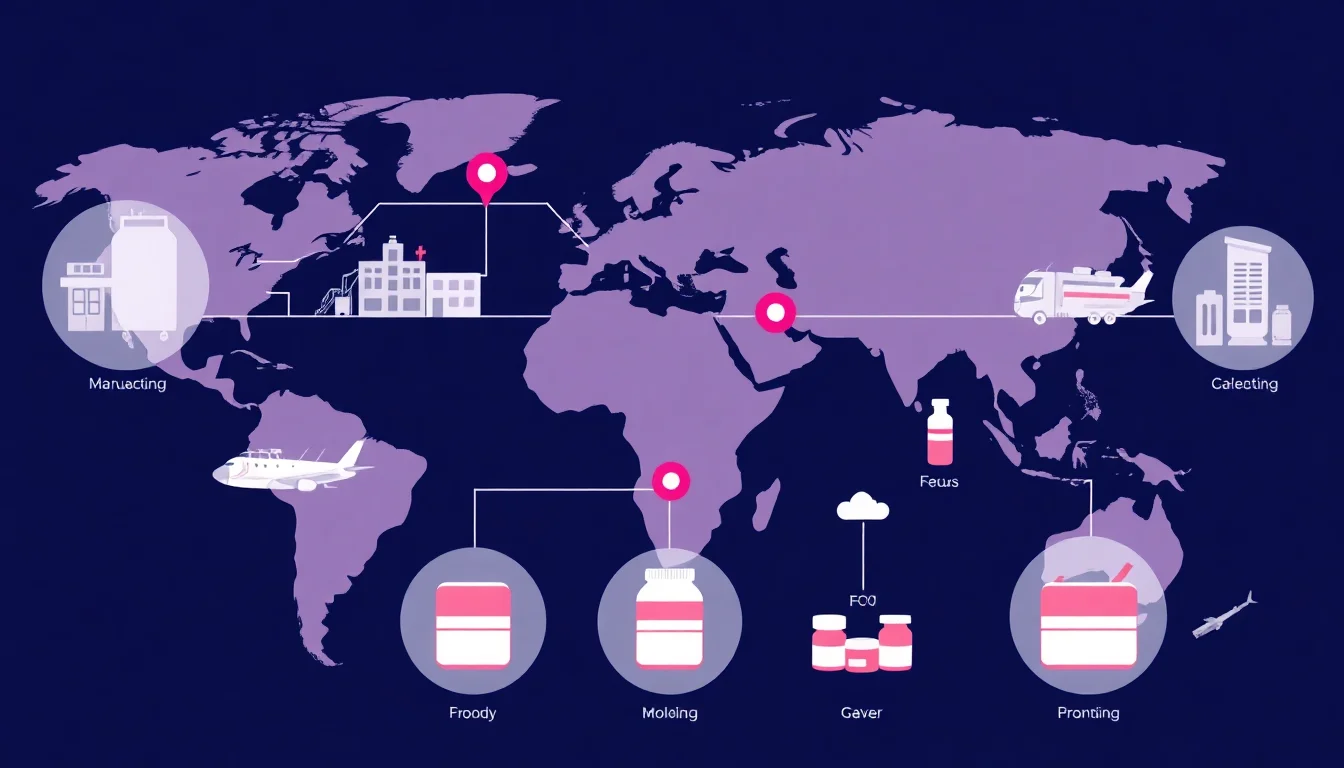
The timing of this legislative push reflects growing awareness of pharmaceutical supply chain fragility. Recent geopolitical developments have highlighted how concentrated global drug manufacturing has become, with significant portions of generic drug production and API synthesis occurring in a handful of countries.
Industry analysts note that approximately 80% of APIs used in drugs sold in the United States are manufactured overseas, with substantial concentration in China and India. During the COVID-19 pandemic, supply disruptions exposed how quickly medication shortages could develop when international manufacturing and shipping networks faced stress.
"This isn't just about knowing where drugs come from—it's about building resilience into our healthcare system," one congressional aide familiar with the legislation told industry publications. "When doctors and patients understand supply chain dependencies, they can make more informed decisions and the market can respond to create more diverse sourcing options."
Recent diplomatic tensions and export restrictions have further amplified these concerns. When countries face sanctions or trade restrictions, medications dependent on those supply chains can quickly become unavailable, creating public health vulnerabilities that extend beyond geopolitics into patient care.
Industry Response and Implementation Challenges
The pharmaceutical industry's response to the proposed legislation has been measured. While major trade associations acknowledge the importance of supply chain transparency, they've raised practical concerns about implementation complexity and potential cost implications.
Generic drug manufacturers point out that supply chains are dynamic, with sourcing arrangements changing based on capacity, quality considerations, and market factors. Creating static labels that accurately reflect current manufacturing locations could prove challenging when API suppliers or contract manufacturers change mid-production cycle.
Some industry representatives have suggested that digital-first approaches—such as the proposed FDA database paired with QR codes on packaging—might offer more flexibility than printed labels. This would allow manufacturers to update sourcing information in real-time as supply chains evolve, while still providing consumers and healthcare providers with transparent access to current data.
Consumer advocacy groups have strongly endorsed the legislation, arguing that patients have a fundamental right to understand where their medications originate. Patient safety organizations note that country-of-origin transparency could help identify patterns in quality issues or adverse events that correlate with specific manufacturing facilities or regions.
Healthcare providers have expressed particular interest in the proposal. Pharmacists and physicians increasingly field patient questions about drug sourcing, especially for individuals with concerns about quality standards or geopolitical considerations. Having standardized, accessible sourcing information would enable more informed clinical conversations and potentially alternative prescribing when patients have strong preferences. Tools like the PharmoniQ supplement and medication checker could integrate this new country-of-origin data to provide even more comprehensive product information.
Looking Ahead: Market and Policy Implications
If enacted, this legislation could catalyze significant changes in pharmaceutical manufacturing and sourcing strategies. Companies may face market pressure to diversify their supply chains or highlight domestic manufacturing capabilities as a competitive advantage.
The bill could also accelerate ongoing efforts to reshore pharmaceutical manufacturing or establish regional production hubs. Several companies have already announced investments in domestic API production facilities, and clear country-of-origin labeling might create additional market incentives for these initiatives.
Regulatory experts anticipate that the FDA would need to issue substantial guidance on implementation standards, including how to handle complex supply chains where different production steps occur in multiple countries. The agency would also need to establish monitoring and enforcement mechanisms to ensure labeling accuracy.
As the legislation moves through committee hearings and markup sessions, industry observers will be watching for potential amendments addressing implementation timelines, enforcement provisions, and coordination with existing drug labeling regulations. The bipartisan nature of the proposal suggests strong political momentum, though the path to final passage could involve negotiations on specific requirements and compliance mechanisms.
For patients and healthcare providers seeking to understand their current medication sourcing, resources like PharmoniQ's comprehensive supplement and drug database offer detailed product information while this new transparency framework develops. As regulatory requirements evolve, having access to reliable medication information becomes increasingly valuable for making informed healthcare decisions.
Check Your Supplement Interactions
Use our AI-powered checker to analyze supplement safety and interactions.
Open Interaction Checker →Comments (0)
This article is for informational purposes only and does not constitute medical or investment advice. It was written with AI assistance from the sources listed above. Check the original sources before relying on any detail.