Adaptogen Supplement Demand Surges Amid Wellness Market Growth
Rising Consumer Interest in Stress Management Solutions
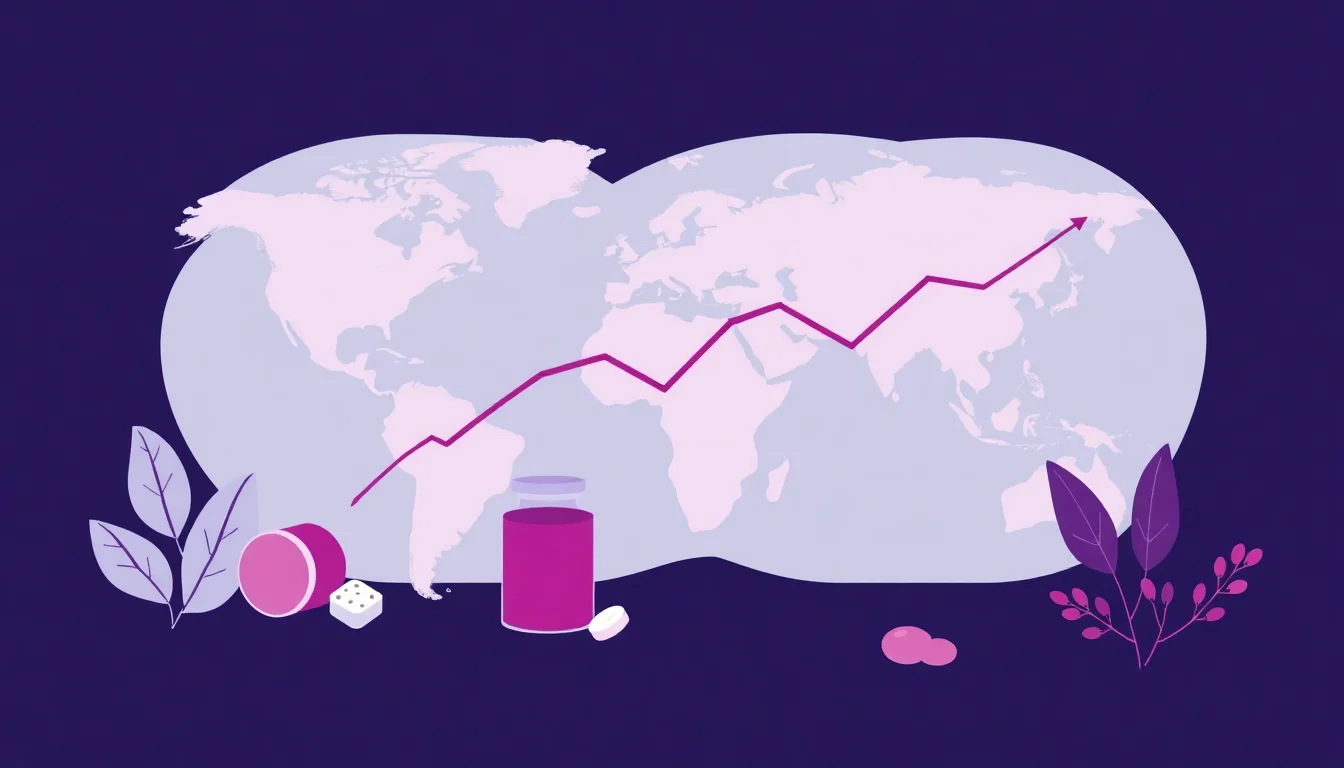
The global adaptogen supplement market is experiencing unprecedented growth, driven by increasing consumer awareness of natural stress management and holistic wellness approaches. Market analysts project the adaptogen sector will reach $5.2 billion by 2028, representing a compound annual growth rate of 9.8%.
Ashwagandha and rhodiola rosea continue to dominate sales, with ashwagandha supplements alone accounting for approximately 35% of the adaptogen market share. Industry reports indicate that millennial and Gen Z consumers are the primary demographic driving this trend, seeking plant-based alternatives to pharmaceutical stress management options.
Market Drivers and Consumer Preferences
Several factors are contributing to the adaptogen surge:
- Increased workplace stress and burnout awareness post-pandemic
- Growing preference for preventive health measures
- Social media influence and wellness influencer recommendations
- Integration of adaptogens into functional beverages and foods
Major supplement manufacturers are expanding their adaptogen product lines, with combination formulas featuring multiple adaptogenic herbs gaining particular traction. Retailers report consistent double-digit growth in the category across both online and brick-and-mortar channels.
Before adding any adaptogen supplement to your routine, verify its safety profile and potential interactions using PharmoniQ's supplement checker to ensure it's appropriate for your health needs.
Regulatory and Quality Considerations
As demand intensifies, regulatory bodies are increasing scrutiny of adaptogen supplement claims and quality standards. Industry experts emphasize the importance of third-party testing and standardized extracts to ensure product efficacy and consumer safety.

Check Your Supplement Interactions
Use our AI-powered checker to analyze supplement safety and interactions.
Open Interaction Checker →Comments (0)
This article is for informational purposes only and does not constitute medical or investment advice. Content is generated with AI assistance and reviewed for accuracy.