FDA Chief Warns U.S. Losing Ground to China in Drug Development
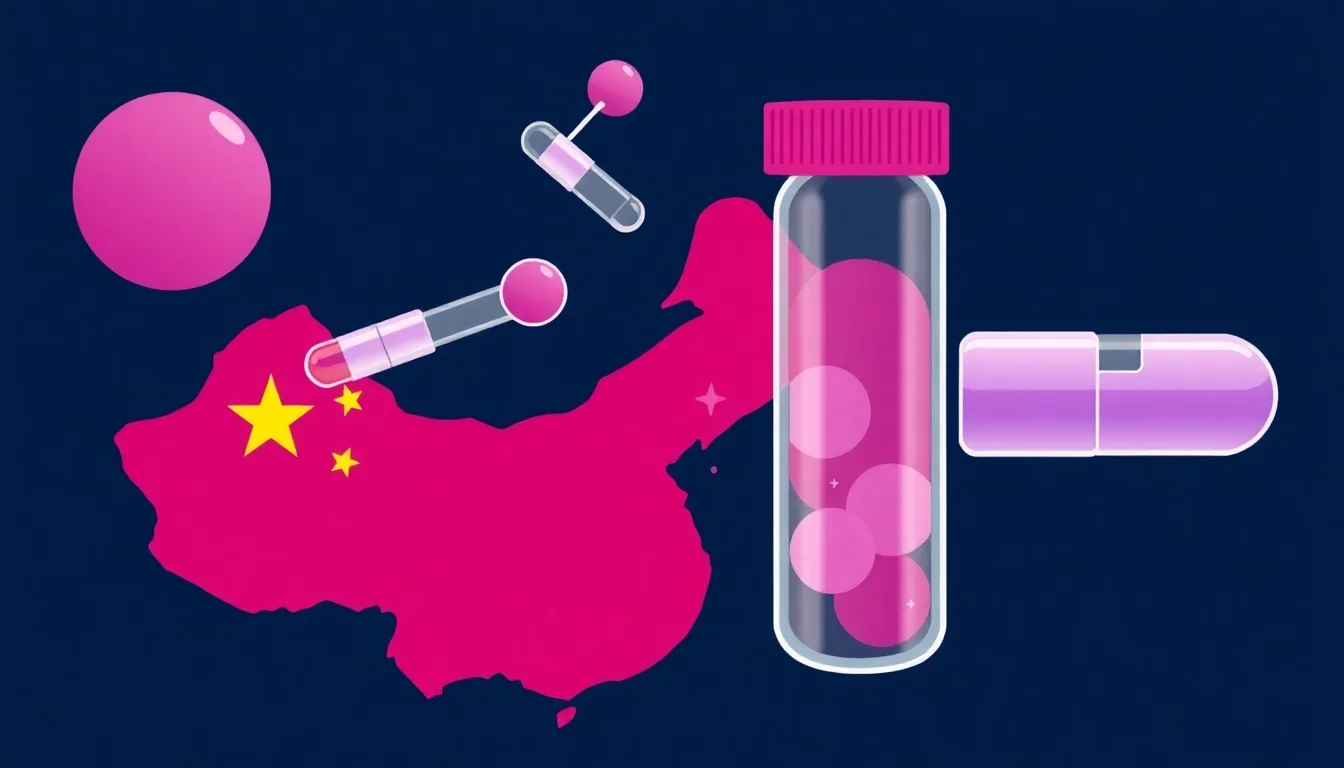
In a significant policy acknowledgment, FDA leadership has publicly warned that the United States is losing its competitive edge to China in early-stage pharmaceutical development, marking a notable shift in regulatory discourse around international pharmaceutical competition. The statement comes as China continues to accelerate its investment in biotechnology infrastructure and streamline its drug approval processes, raising concerns about America's long-standing dominance in pharmaceutical innovation.
According to reports from FDA officials, the agency is calling for comprehensive regulatory reforms to address what they characterize as systemic challenges threatening U.S. pharmaceutical leadership. The warning reflects growing anxiety within the regulatory community about China's rapidly expanding capabilities in drug discovery, clinical trial infrastructure, and speed-to-market advantages that are attracting increasing investment from global pharmaceutical companies.
China's Accelerating Pharmaceutical Capabilities
Over the past decade, China has transformed its pharmaceutical landscape through massive government investment, regulatory modernization, and aggressive recruitment of international scientific talent. The country now boasts:
- Over 3,000 clinical trial sites with modern infrastructure and large patient populations
- Streamlined approval pathways that can reduce time-to-market by 12-18 months compared to U.S. processes
- Government incentives offering billions in subsidies for biotechnology research and development
- Growing expertise in cutting-edge areas including gene therapy, cell therapy, and biologics manufacturing
This infrastructure build-out has enabled China to conduct early-phase clinical trials more rapidly and cost-effectively than many Western countries. Pharmaceutical companies are increasingly choosing to initiate studies in China first, a reversal from the traditional model where early development occurred primarily in the United States and Europe.
Implications for U.S. Drug Development
The competitive shift carries significant implications for American pharmaceutical innovation and patient access. When early-stage development moves offshore, it can delay U.S. patient access to promising therapies and reduce American participation in cutting-edge research. Additionally, it represents a potential loss of high-value scientific jobs and intellectual property development that has historically been concentrated in U.S. research institutions and biotechnology hubs.
Industry analysts note that regulatory efficiency has become a critical factor in where companies choose to invest their development dollars. The average time from IND submission to Phase 1 trial initiation in the U.S. can exceed 6-9 months, while comparable processes in China now average 4-6 months. This timeline differential, combined with cost advantages, creates strong economic incentives for companies to prioritize Chinese development pathways.
The FDA's acknowledgment also comes amid broader geopolitical concerns about pharmaceutical supply chain dependencies and the strategic importance of maintaining domestic drug development capabilities. Policymakers increasingly view pharmaceutical innovation as a matter of national security and economic competitiveness, not merely a commercial consideration.
Proposed Regulatory Reforms
While specific reform proposals are still being developed, FDA officials have indicated that modernization efforts may focus on several key areas. These include streamlining IND review processes, creating more flexible clinical trial designs for early-phase studies, and reducing administrative burdens that extend development timelines without proportionate safety benefits.
The agency is also exploring ways to leverage real-world evidence and advanced data analytics to accelerate early safety assessments, potentially reducing the time required for Phase 1 dose-escalation studies. Additionally, there are discussions about creating special pathways for certain therapeutic areas where China has made particularly significant gains, such as cell and gene therapies.
For consumers and healthcare providers using PharmoniQ's supplement checker tool, these developments underscore the increasingly global nature of pharmaceutical and supplement development, where regulatory frameworks across countries directly impact product availability and innovation timelines.
Industry Response and Looking Ahead
Pharmaceutical industry groups have generally welcomed the FDA's acknowledgment of competitive pressures, though they emphasize that reforms must maintain the agency's gold-standard safety and efficacy requirements. Some executives have privately expressed concern that overly rapid reforms could compromise the scientific rigor that has made FDA approval the global benchmark for drug quality.
The biotechnology sector, particularly smaller companies with limited resources, has been more vocal in calling for streamlined processes. These firms often lack the capital to navigate lengthy regulatory timelines and are most likely to shift early development offshore when faced with significant timeline and cost differentials.
What This Means: The FDA's public warning represents a pivotal moment in U.S. pharmaceutical policy, signaling that regulatory reform is now a strategic priority rather than merely an efficiency consideration. How the agency balances the need for competitive regulatory timelines with its fundamental safety mission will shape the future of American pharmaceutical innovation and determine whether the U.S. can maintain its historical leadership in drug development. The coming months will likely see concrete reform proposals emerge, with significant implications for where and how the next generation of therapies is developed.

Check Your Supplement Interactions
Use our AI-powered checker to analyze supplement safety and interactions.
Open Interaction Checker →Comments (0)
This article is for informational purposes only and does not constitute medical or investment advice. Content is generated with AI assistance and reviewed for accuracy.