Complete Guide to Vitamin D and Calcium Interaction
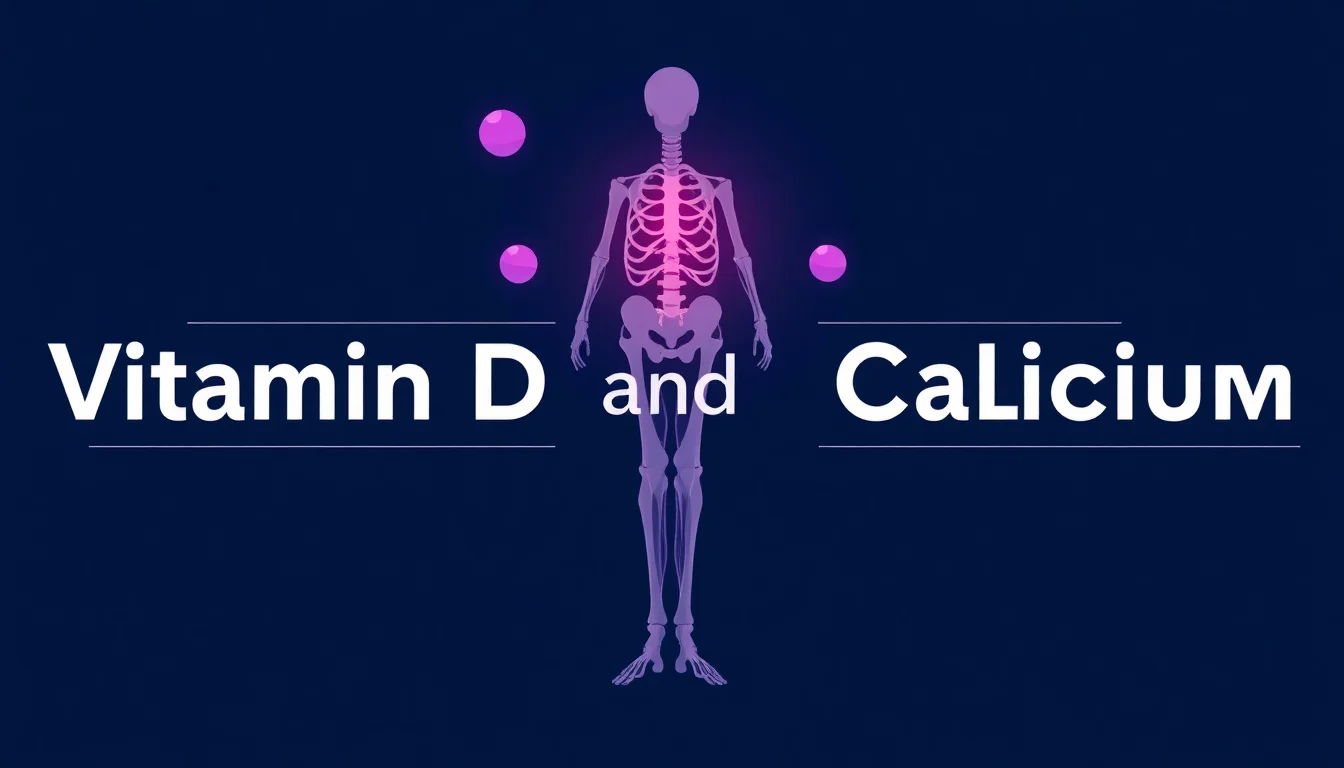
Vitamin D and calcium form one of the most crucial nutritional partnerships in human physiology. While most people understand that calcium builds strong bones, fewer realize that without adequate vitamin D, your body can absorb only 10-15% of dietary calcium. This comprehensive guide explores how these two nutrients interact, optimal supplementation strategies, and how to maximize their health benefits.
Understanding the Vitamin D-Calcium Partnership
Vitamin D functions as a hormone that regulates calcium absorption in your intestines. When you consume calcium-rich foods or calcium supplements, vitamin D activates specific proteins that transport calcium across the intestinal wall into your bloodstream. Without sufficient vitamin D, calcium simply passes through your digestive system unused, regardless of how much you consume.
This relationship extends beyond absorption. Vitamin D also:
- Regulates calcium levels in your blood by signaling the parathyroid glands
- Controls calcium deposition in bones through osteoblast activation
- Prevents excessive calcium excretion by the kidneys
- Maintains the calcium-phosphorus balance necessary for bone mineralization
The synergy works both ways. Calcium influences vitamin D metabolism by affecting the enzyme that converts vitamin D to its active form (calcitriol). This intricate feedback loop ensures your body maintains optimal levels of both nutrients.
Optimal Ratios and Dosing Strategies
Getting the right balance between vitamin D and calcium requires understanding recommended intakes and individual needs. The traditional approach suggested 2.5:1 ratio of calcium to vitamin D (in micrograms), but modern research indicates more nuanced strategies work better.
Standard recommendations include:
- Adults under 50: 1,000 mg calcium + 600-800 IU (15-20 mcg) vitamin D daily
- Adults over 50: 1,200 mg calcium + 800-1,000 IU (20-25 mcg) vitamin D daily
- Postmenopausal women: 1,200 mg calcium + 1,000-2,000 IU (25-50 mcg) vitamin D daily
However, individual requirements vary significantly based on sun exposure, skin pigmentation, geographical location, existing bone density, and dietary intake. Some people may need 2,000-4,000 IU of vitamin D daily to maintain optimal blood levels, especially those with darker skin, limited sun exposure, or living in northern latitudes.
Before starting any supplementation regimen, check your levels using our supplement interaction checker to ensure safety with your current medications and health conditions.
Timing and Absorption: When to Take Each Supplement
The timing of vitamin D and calcium supplementation can significantly impact absorption efficiency. Vitamin D is a fat-soluble nutrient, meaning it absorbs best when taken with meals containing healthy fats. Calcium absorption, meanwhile, depends on stomach acid and should be divided into smaller doses throughout the day.
Optimal timing strategies:
- Vitamin D: Take once daily with your largest meal containing fats (breakfast or dinner typically work best)
- Calcium carbonate: Take with meals to maximize stomach acid availability; limit doses to 500 mg at a time
- Calcium citrate: Can be taken with or without food; still limit to 500 mg per dose for optimal absorption
- Combined supplements: Take with meals, but verify the calcium dose doesn't exceed 500 mg per serving
Space calcium supplements at least 4-6 hours apart from iron, zinc, or magnesium supplements, as these minerals compete for the same absorption pathways. Similarly, avoid taking calcium within 2 hours of thyroid medications, certain antibiotics, or bisphosphonates.
Food Sources vs. Supplementation
While supplements provide convenient dosing, food sources offer additional nutrients that enhance calcium and vitamin D utilization. Whole foods contain cofactors like vitamin K2, magnesium, and phosphorus that work synergistically with calcium and vitamin D for bone health.
Top calcium-rich foods (per serving):
- Plain yogurt: 300-400 mg
- Fortified plant milk: 300-450 mg
- Cheddar cheese (1.5 oz): 300 mg
- Sardines with bones (3 oz): 325 mg
- Cooked kale (1 cup): 180 mg
- Fortified orange juice (6 oz): 375 mg
Top vitamin D food sources (per serving):
- Salmon (3.5 oz): 360-600 IU
- Sardines (2 sardines): 40-50 IU
- Fortified milk (8 oz): 115-120 IU
- Egg yolk (1 large): 40 IU
- Fortified cereals: 40-100 IU per serving
Most people cannot meet vitamin D requirements through food alone, making supplementation necessary, especially during winter months or for those with limited sun exposure. Use our interaction checker to determine if supplementation is appropriate for your situation.
The Magnesium Factor: The Missing Piece
One critically overlooked aspect of calcium and vitamin D interaction involves magnesium. This essential mineral activates vitamin D and regulates calcium transport. Without adequate magnesium, vitamin D remains inactive, calcium absorption decreases, and calcium may deposit in soft tissues rather than bones.
Research indicates that magnesium deficiency—present in nearly 50% of Americans—can render vitamin D supplementation ineffective. The enzyme that converts vitamin D to its active form requires magnesium as a cofactor. Additionally, magnesium regulates parathyroid hormone, which controls calcium levels.
Recommended approach:
- Ensure adequate magnesium intake (320-420 mg daily for adults)
- Consider magnesium supplementation if taking high-dose vitamin D
- Look for supplements combining all three nutrients in appropriate ratios
- Consume magnesium-rich foods like nuts, seeds, leafy greens, and whole grains
Safety Considerations and Potential Risks
While vitamin D and calcium are essential nutrients, excessive intake can cause health problems. Understanding the upper limits and potential complications helps you supplement safely.
Calcium supplementation risks:
- Exceeding 2,000-2,500 mg daily may increase kidney stone risk
- High calcium intake without adequate vitamin D and K2 may contribute to arterial calcification
- Constipation commonly occurs with calcium carbonate supplements
- May interfere with absorption of iron, zinc, and certain medications
Vitamin D supplementation risks:
- Toxicity rarely occurs below 10,000 IU daily but symptoms include nausea, weakness, and kidney problems
- Excessive vitamin D increases calcium absorption, potentially leading to hypercalcemia
- May interact with certain medications including steroids, weight loss drugs, and cholesterol-lowering medications
Always check interactions before combining supplements using our supplement interaction checker, especially if you take prescription medications or have existing health conditions.
Special Populations and Considerations
Certain groups have unique vitamin D and calcium requirements that may differ from standard recommendations. Tailoring supplementation to individual circumstances optimizes benefits while minimizing risks.
Postmenopausal women: Declining estrogen levels accelerate bone loss, increasing calcium and vitamin D needs. Studies show that adequate intake (1,200 mg calcium + 800-1,000 IU vitamin D) reduces fracture risk by 15-20%. However, cardiovascular health considerations may limit calcium supplementation above 1,000 mg daily.
Older adults: Reduced stomach acid production, decreased kidney function, and limited sun exposure increase the need for both nutrients. Vitamin D doses of 1,000-2,000 IU and calcium from food sources plus modest supplementation (500 mg) typically work best.
People with darker skin: Melanin reduces vitamin D synthesis, requiring 3-5 times more sun exposure or higher supplement doses (2,000-4,000 IU daily) to maintain optimal blood levels.
Individuals with malabsorption conditions: Crohn's disease, celiac disease, and gastric bypass surgery impair nutrient absorption. These populations may need higher doses, more absorbable forms (calcium citrate, vitamin D3), and regular monitoring.
Testing and Monitoring Your Levels
Blood tests provide objective data about your vitamin D and calcium status, enabling personalized supplementation strategies. Understanding these tests helps you optimize your intake.
25-hydroxyvitamin D test: This measures vitamin D status. Optimal levels range from 30-50 ng/mL (75-125 nmol/L), though some experts recommend 40-60 ng/mL for maximum bone health and immune function. Test at least annually, preferably in late winter when levels are lowest.
Serum calcium test: While less useful for assessing dietary intake (your body tightly regulates blood calcium), this test identifies hypercalcemia from excessive supplementation or underlying health conditions.
Parathyroid hormone (PTH): Elevated PTH often indicates vitamin D deficiency or inadequate calcium intake, as your body releases PTH to mobilize calcium from bones.
If tests reveal deficiencies, work with your healthcare provider to develop a targeted supplementation plan. Retest after 3-6 months to verify your regimen is effective.
Creating Your Personalized Supplementation Plan
Developing an effective vitamin D and calcium strategy requires assessing your individual needs, considering food sources, and selecting appropriate supplements.
Step 1: Calculate dietary intake. Track your calcium and vitamin D intake from food for several days. Most adults get 300-600 mg calcium and less than 200 IU vitamin D from diet alone.
Step 2: Assess sun exposure. If you get 15-30 minutes of midday sun on exposed skin several times weekly, you may produce adequate vitamin D during summer months. Winter, northern latitudes, and sunscreen use reduce production.
Step 3: Determine supplement needs. Fill the gap between your intake and recommended levels. If you consume 600 mg calcium from food, supplement with 400-600 mg. If you get minimal sun exposure, supplement with 1,000-2,000 IU vitamin D.
Step 4: Choose quality supplements. Look for third-party tested products (USP, NSF, ConsumerLab verified). Select vitamin D3 (cholecalciferol) over D2, and calcium citrate if you have low stomach acid or take acid-reducing medications.
Step 5: Monitor and adjust. Test vitamin D levels after 3 months and adjust dosing as needed. Watch for side effects like constipation or digestive upset, which may indicate the need for dosage or timing changes.
For personalized recommendations and to check for potential interactions with your medications, visit our supplement interaction checker.
Medical Disclaimer: This article is for informational purposes only and does not constitute medical advice. Always consult with a qualified healthcare provider before starting any new supplement regimen, especially if you have existing health conditions, take medications, or are pregnant or nursing. Individual nutritional needs vary based on age, health status, and other factors. The information provided here should not replace professional medical guidance.

Check Your Supplement Interactions
Use our AI-powered interaction checker to analyze your full supplement stack for safety, timing conflicts, and synergies.
PharmoniQ Editorial
Expert pharmaceutical content powered by AI and curated by industry professionals. Our team combines pharmaceutical science, clinical research, and data analytics to deliver accurate, evidence-based supplement information.
Building a Supplement Stack?
Get personalized workout plans that pair perfectly with your supplements. FitFixLife helps you train smarter.
Visit FitFixLife →Related Articles
The Science of Supplement Timing: Morning vs. Night
Discover the optimal times to take your supplements. Learn which vitamins work best in the morning, which at night, and the science behind supplement timing.

How to Build a Safe Supplement Stack: A Beginner's Guide
Learn how to create an effective, safe supplement stack tailored to your health goals. Expert guidance on combining supplements, avoiding interactions, and more.
Comments (0)
Disclaimer: This article is for informational purposes only and does not constitute medical advice. Always consult a qualified healthcare professional before making changes to your supplement or medication regimen.