Understanding Supplement Third-Party Testing and Certifications
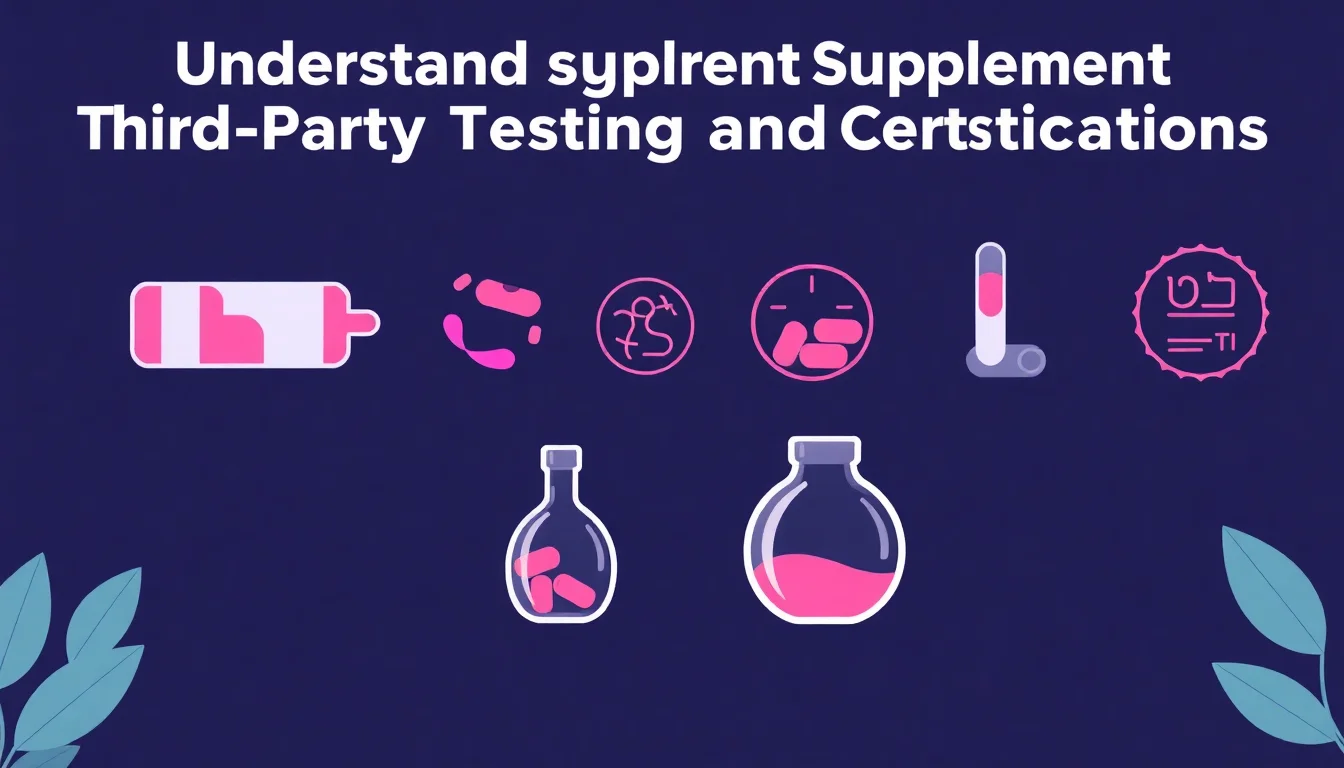
When shopping for dietary supplements, you've likely noticed various seals and certifications on product labels—NSF Certified, USP Verified, Informed Choice, and others. But what do these certifications actually mean, and why should they matter to you? In today's supplement market, where quality can vary dramatically between products, understanding third-party testing and certifications is crucial for making informed decisions about your health.
Why Third-Party Testing Matters
Unlike prescription medications, dietary supplements in the United States aren't required to undergo FDA approval before reaching store shelves. Manufacturers are responsible for ensuring their products are safe and accurately labeled—a system that relies heavily on self-regulation. This regulatory gap creates significant quality concerns:
- Label inaccuracy: Studies have found that some supplements contain significantly more or less of the active ingredient than claimed on the label
- Contamination risks: Products may contain unlisted ingredients, heavy metals, pesticides, or harmful microorganisms
- Adulteration: Some supplements have been found to contain prescription drugs or banned substances not disclosed on the label
- Substitution: Herbal supplements sometimes contain different plant species than advertised
Third-party testing provides an independent verification layer, giving consumers confidence that what's on the label matches what's in the bottle. Before purchasing any supplement, consider using our comprehensive supplement interaction checker to ensure safety alongside quality verification.
Major Third-Party Certification Programs
Several reputable organizations offer third-party testing and certification for dietary supplements. Each has specific testing protocols and standards:
USP (United States Pharmacopeia)
The USP Verified Mark indicates that a supplement has passed rigorous testing for:
- Identity verification of all listed ingredients
- Accurate potency levels within specified ranges
- Absence of harmful contaminants including heavy metals and microbes
- Proper manufacturing practices compliance
- Dissolution testing to ensure ingredients release properly in the body
USP conducts both initial testing and ongoing audits of manufacturing facilities. Products must meet strict criteria across multiple batches to earn and maintain certification.
NSF International
NSF Certified for Sport and NSF Contents Tested and Certified are two distinct programs:
NSF Contents Tested and Certified verifies label claims and screens for contaminants, while NSF Certified for Sport additionally tests for over 270 banned athletic substances. Athletes and fitness enthusiasts often seek this certification to avoid inadvertent doping violations.
NSF certification requires:
- Product testing for label claim accuracy
- Contaminant screening including heavy metals and pesticides
- Manufacturing facility inspections
- Ongoing monitoring and annual recertification
ConsumerLab.com
Unlike certification programs that manufacturers voluntarily submit to, ConsumerLab independently purchases and tests supplements from retail stores. Their Quality Certified Seal indicates products have passed testing for:
- Identity and potency of ingredients
- Absence of contaminants
- Proper disintegration or dissolution
- Label accuracy regarding supplement facts and warnings
ConsumerLab publishes detailed test results for both passing and failing products, offering valuable transparency to consumers.
Informed Choice and Informed Sport
These programs, operated by LGC, specialize in testing supplements for banned substances in professional and Olympic sports. Informed Choice tests every product batch, while Informed Sport involves monthly blind-sampling from retail outlets.
Both programs test for substances banned by major sports organizations including WADA (World Anti-Doping Agency).
What Third-Party Testing Actually Verifies
Understanding what certifications guarantee—and what they don't—helps set realistic expectations:
What IS Verified:
- Identity: The supplement contains the ingredients listed on the label
- Potency: Active ingredients are present in amounts matching label claims (usually within 90-110% range)
- Purity: Products are free from specified contaminants and adulterants
- Manufacturing quality: Facilities follow Good Manufacturing Practices (GMPs)
- Dissolution: Tablets and capsules break down properly for absorption
What Is NOT Verified:
- Effectiveness: Certification doesn't prove a supplement works for its intended purpose
- Safety for all individuals: Testing doesn't account for personal health conditions or potential interactions
- Optimal dosage: Certifications verify what's claimed, not whether the dose is therapeutically appropriate
- Long-term effects: Testing focuses on immediate quality, not long-term health outcomes
For comprehensive safety information about specific supplements like Vitamin D3, magnesium, or omega-3 fatty acids, always consult product-specific resources and healthcare professionals.
How to Verify Supplement Certifications
Unfortunately, certification seals can be counterfeited or misused. Follow these steps to verify authenticity:
- Check the certifying organization's website: Most maintain searchable databases of certified products (USP, NSF, and Informed Choice all offer this)
- Look for specific certification numbers: Legitimate seals usually include unique identification codes
- Verify the certification scope: Ensure the specific product (including size and formulation) is certified, not just the brand
- Check expiration dates: Some certifications require annual renewal—verify the certification is current
- Use our interaction checker: Beyond quality verification, assess potential supplement interactions with medications or health conditions
Red Flags: When to Be Skeptical
Certain claims or practices should raise immediate concerns:
- "FDA Approved" claims: The FDA doesn't approve dietary supplements—this is a major red flag
- Proprietary blends without specifics: Legitimate manufacturers using third-party testing typically disclose exact ingredient amounts
- Miracle cure claims: Statements promising to cure diseases indicate likely non-compliance with regulations
- Unverifiable certifications: Seals from unknown organizations or those that can't be verified online
- Extremely low prices: Quality testing adds costs—deeply discounted products may skip quality controls
The Cost of Quality
Third-party testing isn't free, and these costs are typically passed to consumers. Certified supplements often cost 10-30% more than uncertified alternatives. However, this investment buys:
- Assurance you're getting what you pay for
- Reduced risk of contamination or adulteration
- Protection from products that might cause harm
- Peace of mind about product quality
For essential supplements like calcium, iron, or vitamin B12 that you take daily for extended periods, quality certification represents a worthwhile investment in your health.
Beyond Certifications: Additional Quality Indicators
While third-party certifications are the gold standard, other factors also indicate quality:
- GMP Certification: FDA-registered facilities following Good Manufacturing Practices
- Transparent sourcing: Companies that disclose ingredient origins and manufacturing locations
- Batch testing: Manufacturers who test each production batch and make results available
- Clinical studies: Products backed by published research using the specific formulation sold
- Responsive customer service: Companies willing to provide Certificates of Analysis (COAs) upon request
Making Informed Decisions
Third-party certifications provide valuable quality assurance, but they're just one component of supplement safety. A comprehensive approach includes:
- Choosing certified products: Prioritize supplements with USP, NSF, or ConsumerLab verification
- Checking for interactions: Use our supplement interaction checker before starting any new supplement
- Consulting healthcare providers: Discuss supplement use with doctors and pharmacists
- Researching specific supplements: Understand benefits, risks, and appropriate dosing for products like probiotics or turmeric
- Monitoring your response: Track how supplements affect your health and well-being
- Staying informed: Keep up with FDA warnings and recalls affecting supplement products
The Future of Supplement Testing
The supplement industry continues evolving toward greater transparency and quality assurance. Emerging trends include:
- Blockchain verification: Technology enabling consumers to trace supplements from source to shelf
- DNA barcoding: Advanced testing methods for verifying botanical identity
- Expanded contaminant screening: Testing for emerging concerns like microplastics and PFAS
- Standardized testing protocols: Industry-wide adoption of consistent quality standards
As testing technology advances and consumer demand for transparency grows, third-party certifications will likely become even more comprehensive and accessible.
Disclaimer: This article is for educational purposes only and does not constitute medical advice. Third-party certifications verify supplement quality but don't guarantee safety or effectiveness for your specific health needs. Dietary supplements can interact with medications and may not be appropriate for all individuals. Always consult qualified healthcare professionals before starting any new supplement regimen, especially if you have medical conditions, take medications, are pregnant or nursing, or are considering supplements for children. The information provided here should not replace professional medical guidance tailored to your individual circumstances.
Check Your Supplement Interactions
Use our AI-powered interaction checker to analyze your full supplement stack for safety, timing conflicts, and synergies.
PharmoniQ Editorial
Expert pharmaceutical content powered by AI and curated by industry professionals. Our team combines pharmaceutical science, clinical research, and data analytics to deliver accurate, evidence-based supplement information.
Building a Supplement Stack?
Get personalized workout plans that pair perfectly with your supplements. FitFixLife helps you train smarter.
Visit FitFixLife →Related Articles

Global Supplement Regulation: How Different Countries Approach Safety
Explore how the US, EU, Canada, Australia, and Asia regulate dietary supplements. Learn about safety standards, approval processes, and what they mean for consumers.
FDA Supplement Labeling Changes in 2026: What You Need to Know
Discover the major FDA supplement labeling updates coming in 2026. Learn how new regulations affect ingredient transparency, dosage clarity, and your safety.
Comments (0)
Disclaimer: This article is for informational purposes only and does not constitute medical advice. Always consult a qualified healthcare professional before making changes to your supplement or medication regimen.