Magnesium Types Explained: Glycinate vs. Citrate vs. Oxide
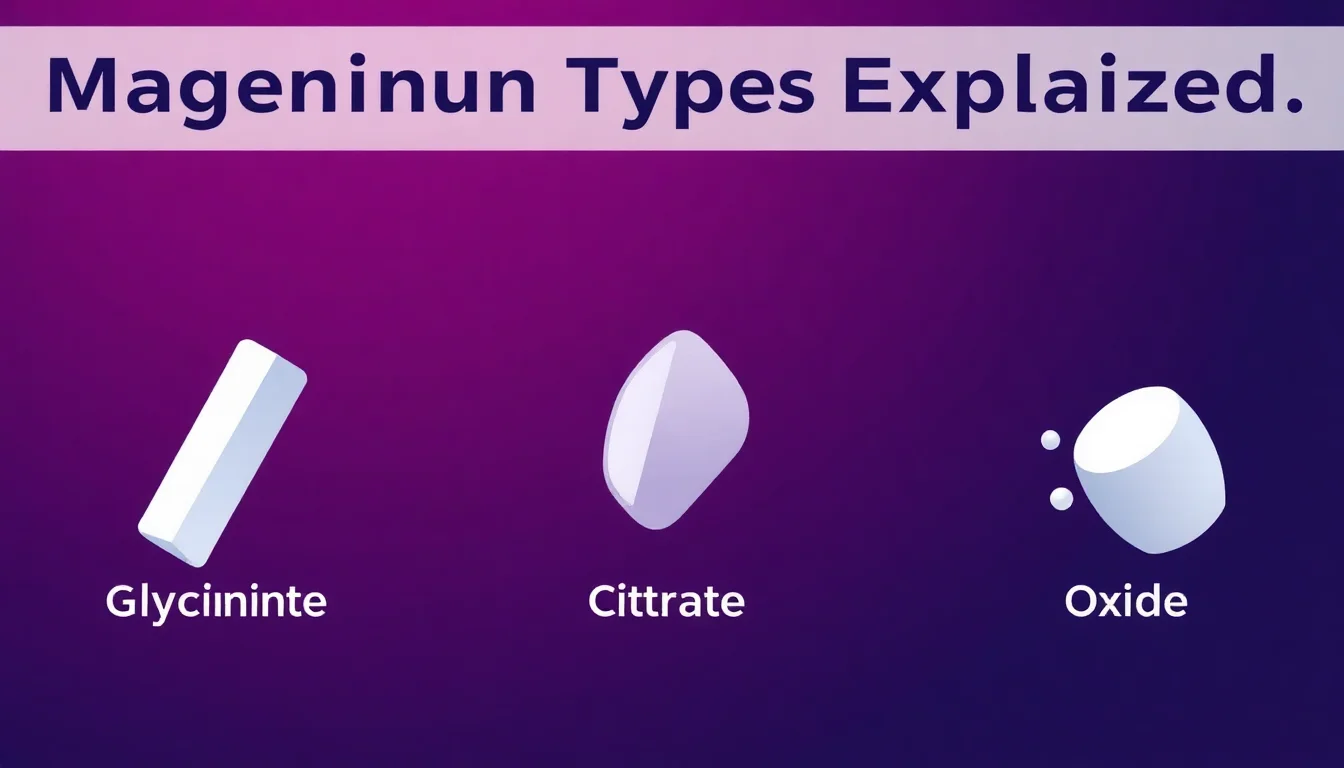
Magnesium is one of the most essential minerals for human health, involved in over 300 enzymatic reactions in the body. Yet despite its importance, studies suggest that nearly half of Americans don't meet their daily magnesium requirements. When supplementing, choosing the right form of magnesium can make a significant difference in effectiveness and tolerability.
Not all magnesium supplements are created equal. The form you choose affects how well your body absorbs it, what benefits you'll experience, and whether you'll encounter side effects. This comprehensive guide breaks down three of the most popular magnesium forms to help you make an informed decision for your health needs.
Why Magnesium Form Matters: Understanding Bioavailability
The effectiveness of any magnesium supplement depends on its bioavailability—how much of the mineral your body can actually absorb and use. Magnesium must be bound to another substance (called a chelate or salt) to remain stable in supplement form. This binding partner dramatically influences absorption rates.
Different forms of magnesium are created by combining elemental magnesium with various compounds. These compounds not only affect absorption but also determine how the supplement affects your digestive system and which health benefits it provides. Before choosing a supplement, it's crucial to verify its quality and ingredient interactions using a reliable supplement safety checker.
Magnesium Glycinate: The Gentle, Bioavailable Option
Magnesium glycinate is magnesium bound to the amino acid glycine. This form has gained popularity among healthcare practitioners for its superior absorption and minimal digestive side effects.
Research demonstrates that chelated forms like glycinate have significantly higher bioavailability compared to inorganic salts. The glycine component itself provides additional benefits, as this amino acid acts as a calming neurotransmitter that supports relaxation and sleep quality.
Best Uses for Magnesium Glycinate:
- Sleep support: The combination of magnesium and glycine helps calm the nervous system and improve sleep quality
- Anxiety and stress management: Both components have calming effects on the brain
- Muscle relaxation: Effective for reducing cramps and tension without laxative effects
- Sensitive digestive systems: Less likely to cause diarrhea or stomach upset
- Long-term daily supplementation: Gentle enough for ongoing use
Clinical studies show magnesium glycinate is particularly effective for individuals with magnesium deficiency who need to restore levels without digestive discomfort. For those interested in this form, explore our magnesium supplement options to find quality glycinate products.
Magnesium Citrate: The Digestive Aid
Magnesium citrate binds magnesium to citric acid, creating a highly soluble compound with good bioavailability. This form dissolves easily in water and is readily absorbed in the digestive tract.
The citrate component has a natural osmotic effect, drawing water into the intestines. While this makes magnesium citrate an excellent choice for certain applications, it also means this form has a notable laxative effect even at moderate doses.
Best Uses for Magnesium Citrate:
- Occasional constipation relief: The osmotic effect promotes bowel movements
- Pre-procedure bowel preparation: Sometimes used medically for colon cleansing
- Short-term magnesium supplementation: When quick absorption is needed
- Individuals without digestive sensitivity: For those who tolerate the laxative effect
Research published in the Journal of the American College of Nutrition found that magnesium citrate has absorption rates comparable to other highly bioavailable forms. However, the digestive effects mean it's not ideal for everyone seeking daily supplementation.
If you're considering magnesium citrate alongside other supplements, use our supplement interaction checker to ensure safe combinations, especially if you're taking medications that affect bowel function.
Magnesium Oxide: The High-Dose, Budget-Friendly Option
Magnesium oxide is an inorganic salt containing a high percentage of elemental magnesium by weight. It's one of the most common forms found in multivitamins and budget supplements due to its low cost and compact form factor.
However, magnesium oxide has significantly lower bioavailability compared to chelated forms. Studies show absorption rates as low as 4-5%, meaning your body can only use a small fraction of what you consume. The majority passes through the digestive system unabsorbed.
Best Uses for Magnesium Oxide:
- Heartburn and acid reflux: Acts as an antacid to neutralize stomach acid
- Constipation relief: The poorly absorbed magnesium has a laxative effect
- When high doses are needed: The high elemental magnesium content allows for smaller pill sizes
- Budget-conscious supplementation: Lower cost per dose than other forms
While magnesium oxide is less effective for addressing magnesium deficiency, it serves specific purposes in digestive health. The low absorption rate that makes it poor for systemic supplementation is actually beneficial when treating heartburn or constipation.
Comparing Bioavailability: What the Research Shows
Multiple studies have compared absorption rates of different magnesium forms. A frequently cited study in the Journal of the American College of Nutrition found that magnesium citrate, glycinate, and chloride had significantly higher bioavailability than magnesium oxide.
Another study measuring urinary magnesium excretion (an indicator of absorption) showed that organic magnesium salts like citrate and glycinate resulted in higher magnesium retention compared to inorganic forms like oxide.
The practical implication: you may need to take a higher dose of magnesium oxide to achieve the same blood magnesium levels as a lower dose of glycinate or citrate. This affects both cost-effectiveness and pill burden.
Side Effects and Tolerability Considerations
Understanding potential side effects helps you choose the most appropriate form for your needs:
Magnesium Glycinate: Typically well-tolerated with minimal side effects. Rarely causes diarrhea even at higher doses. May cause mild drowsiness in sensitive individuals, making it ideal for evening use.
Magnesium Citrate: Commonly causes loose stools or diarrhea, especially at doses above 300-400 mg. This laxative effect can be beneficial or problematic depending on your goals. May cause stomach cramping in sensitive individuals.
Magnesium Oxide: Frequently causes digestive upset and diarrhea due to poor absorption. The unabsorbed magnesium draws water into the colon. Not recommended for individuals with kidney problems due to potential accumulation.
All forms of magnesium can interact with certain medications, including antibiotics, bisphosphonates, and diuretics. Always check for potential supplement interactions before starting magnesium supplementation.
Dosage Recommendations by Form
The Recommended Dietary Allowance (RDA) for magnesium varies by age and gender, ranging from 310-420 mg daily for adults. However, supplementation needs depend on the form you're using:
Magnesium Glycinate: Typical supplemental dose ranges from 200-400 mg daily, usually taken in divided doses or before bed. Due to high absorption, lower doses are often effective.
Magnesium Citrate: For general supplementation, 200-300 mg daily. For constipation relief, some people use up to 400-500 mg, though this should be discussed with a healthcare provider.
Magnesium Oxide: Doses often range from 400-500 mg due to lower absorption. For antacid use, follow product-specific instructions, typically 400-800 mg as needed.
Remember that supplement labels list elemental magnesium content, which differs from the total compound weight. Always check the label for elemental magnesium to understand your actual dose.
Which Form Should You Choose?
Your ideal magnesium form depends on your specific health goals:
Choose Magnesium Glycinate if you:
- Need daily, long-term supplementation for deficiency
- Want to improve sleep quality and reduce anxiety
- Have a sensitive digestive system
- Experience muscle cramps or tension
- Prefer taking magnesium before bed
Choose Magnesium Citrate if you:
- Experience occasional constipation
- Want good absorption without the higher cost of glycinate
- Don't have issues with loose stools
- Need short-term supplementation
Choose Magnesium Oxide if you:
- Need an antacid for heartburn relief
- Want a budget-friendly laxative
- Are looking for the lowest-cost option
- Don't have significant magnesium deficiency concerns
Beyond the Big Three: Other Magnesium Forms
While glycinate, citrate, and oxide are the most common, other forms serve specific purposes:
Magnesium L-threonate crosses the blood-brain barrier effectively and shows promise for cognitive support and memory enhancement. Research suggests it may increase brain magnesium levels more effectively than other forms.
Magnesium malate combines magnesium with malic acid, which plays a role in energy production. Some practitioners recommend it for fibromyalgia and chronic fatigue.
Magnesium taurate binds magnesium to the amino acid taurine, potentially offering cardiovascular benefits beyond basic magnesium supplementation.
Magnesium chloride has good bioavailability and is often used in topical formulations, though it can also be taken orally.
Each specialized form may warrant consideration depending on your specific health concerns. For comprehensive information about magnesium and other essential minerals, visit our magnesium supplement guide.
Quality Matters: What to Look for in Magnesium Supplements
Regardless of which form you choose, quality should be a top priority. Look for supplements that:
- Are manufactured by reputable companies with third-party testing
- Clearly list elemental magnesium content
- Avoid unnecessary fillers, artificial colors, and allergens
- Come with certificates of analysis when possible
- Are appropriate for your dietary restrictions (vegan, gluten-free, etc.)
The supplement industry is largely self-regulated, making it essential to choose products from trustworthy manufacturers who voluntarily submit to quality testing by organizations like USP, NSF International, or ConsumerLab.
Combining Magnesium with Other Nutrients
Magnesium works synergistically with several other nutrients. Vitamin D and magnesium support each other's absorption and function, which is why many people benefit from taking both. Our vitamin D3 supplement guide provides more information about this important relationship.
Calcium and magnesium have a complex relationship. While they work together in bone health and muscle function, taking them simultaneously in high doses may reduce absorption of both. Consider spacing them several hours apart for optimal uptake. Learn more in our calcium supplement guide.
Vitamin B6 enhances magnesium absorption and helps transport magnesium into cells. Some high-quality magnesium supplements include B6 for this reason.
Signs You May Need Magnesium Supplementation
Before supplementing, it's helpful to recognize signs of inadequate magnesium intake:
- Muscle cramps, spasms, or twitching (especially in legs at night)
- Difficulty sleeping or staying asleep
- Anxiety, irritability, or mood changes
- Fatigue and low energy
- Constipation
- Migraines or frequent headaches
- High blood pressure
- Irregular heartbeat
While these symptoms can indicate magnesium insufficiency, they can also result from other health conditions. Laboratory testing can confirm magnesium status, though standard serum magnesium tests only reflect a small portion of total body stores. Some practitioners prefer red blood cell magnesium testing for a more accurate assessment.
Making an Informed Decision
Understanding the differences between magnesium glycinate, citrate, and oxide empowers you to choose the form that best matches your health goals, budget, and tolerance. Glycinate offers superior absorption with minimal side effects, making it ideal for addressing deficiency and supporting sleep. Citrate provides good bioavailability with a natural laxative effect, perfect for those with sluggish digestion. Oxide works well for heartburn relief and as a budget-friendly laxative, though it's less effective for systemic magnesium supplementation.
Remember that supplements are most effective as part of a comprehensive approach to health that includes a balanced diet, adequate sleep, stress management, and regular physical activity. Magnesium-rich foods like leafy greens, nuts, seeds, whole grains, and legumes should form the foundation of your intake, with supplements filling gaps as needed.
Before starting any new supplement regimen, especially if you have existing health conditions or take medications, consult with a qualified healthcare provider to determine the most appropriate form and dosage for your individual needs.
Disclaimer: This article is for informational purposes only and does not constitute medical advice. The information provided is not intended to diagnose, treat, cure, or prevent any disease. Always consult with a qualified healthcare professional before starting any new supplement regimen, especially if you are pregnant, nursing, taking medications, or have a medical condition. Individual results may vary, and the effectiveness of supplements depends on many factors including overall health, diet, and lifestyle. The statements regarding supplements have not been evaluated by the Food and Drug Administration.
Check Your Supplement Interactions
Use our AI-powered interaction checker to analyze your full supplement stack for safety, timing conflicts, and synergies.
PharmoniQ Editorial
Expert pharmaceutical content powered by AI and curated by industry professionals. Our team combines pharmaceutical science, clinical research, and data analytics to deliver accurate, evidence-based supplement information.
Building a Supplement Stack?
Get personalized workout plans that pair perfectly with your supplements. FitFixLife helps you train smarter.
Visit FitFixLife →Related Articles

Turmeric and Curcumin Bioavailability: The Piperine Connection
Discover why combining curcumin with piperine increases absorption by up to 2000%. Learn the science behind bioavailability and how to maximize turmeric benefits.

Ashwagandha: Mechanisms, Benefits, and Interaction Risks
Explore ashwagandha's adaptogenic mechanisms, evidence-based health benefits, and critical drug interactions. Essential reading for safe supplementation.
Comments (0)
Disclaimer: This article is for informational purposes only and does not constitute medical advice. Always consult a qualified healthcare professional before making changes to your supplement or medication regimen.