The Gut-Brain Axis: How Probiotics Affect Mental Health
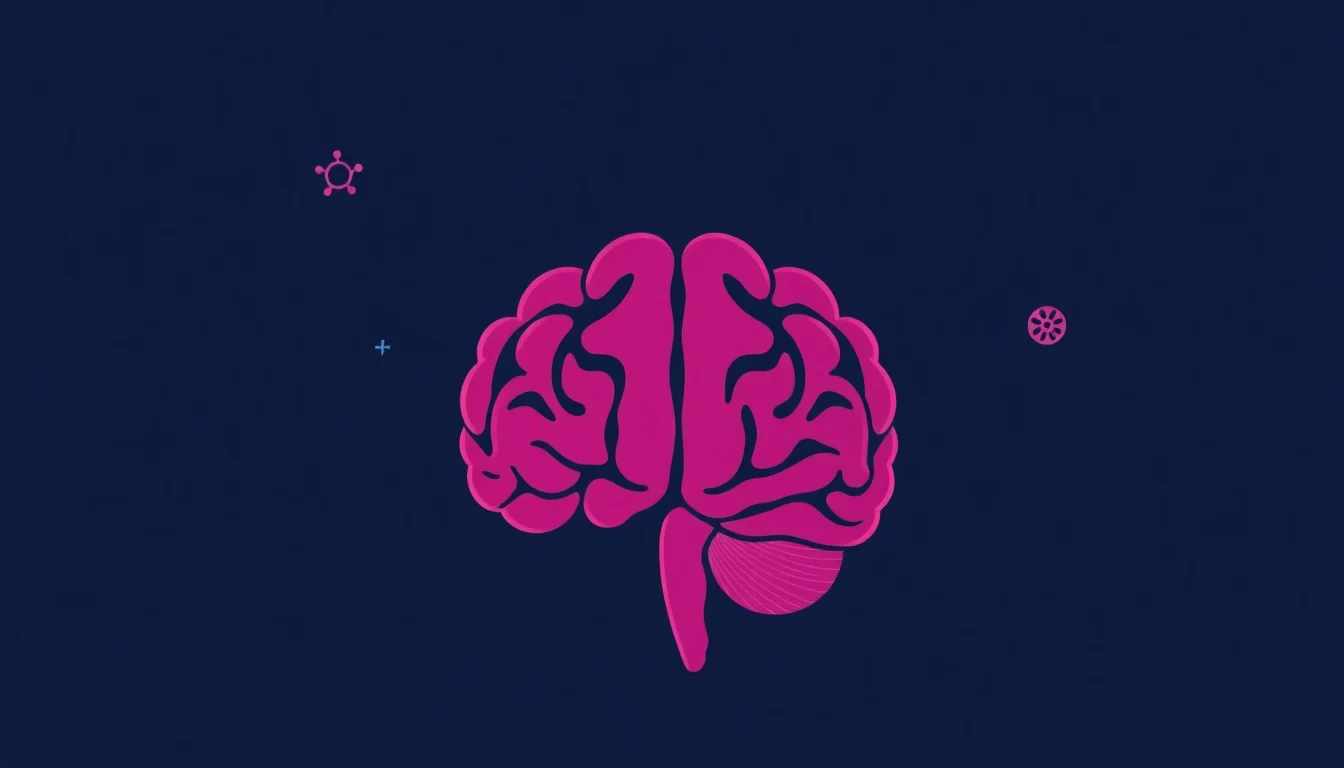
The connection between your gut and brain is far more profound than you might imagine. Recent scientific research has unveiled a complex communication network known as the gut-brain axis, revealing that the trillions of microorganisms living in your digestive system may significantly influence your mental health, mood, and cognitive function.
Understanding the Gut-Brain Axis
The gut-brain axis represents a bidirectional communication system linking your gastrointestinal tract with your central nervous system. This connection operates through multiple pathways, including the vagus nerve, immune system mediators, and various metabolites produced by gut bacteria.
Your gut contains approximately 100 trillion microorganisms—collectively called the gut microbiota—which produce neurotransmitters, including serotonin, dopamine, and gamma-aminobutyric acid (GABA). Remarkably, about 90-95% of your body's serotonin, a neurotransmitter crucial for mood regulation, is produced in the gut.
The Science Behind Psychobiotics
Psychobiotics are a specialized class of probiotics that produce measurable benefits for mental health when consumed in adequate amounts. These beneficial bacteria work through several mechanisms:
- Neurotransmitter Production: Certain probiotic strains directly synthesize neurotransmitters that influence brain function and emotional regulation
- Vagus Nerve Stimulation: Gut bacteria communicate with the brain through the vagus nerve, the longest cranial nerve connecting your gut to your brainstem
- Inflammation Reduction: Probiotics help reduce systemic inflammation, which has been linked to depression and anxiety disorders
- Stress Hormone Regulation: Beneficial bacteria can modulate the hypothalamic-pituitary-adrenal (HPA) axis, reducing cortisol levels and stress responses
- Gut Barrier Integrity: Probiotics strengthen the intestinal lining, preventing harmful substances from entering the bloodstream and affecting brain function
Clinical Evidence for Probiotics and Mental Health
Multiple clinical trials have demonstrated the potential of probiotics in supporting mental wellness. A 2020 meta-analysis published in Psychiatry Research found that probiotic supplementation significantly reduced symptoms of depression compared to placebo groups.
Research has identified several probiotic strains with particular promise for mental health:
- Lactobacillus helveticus and Bifidobacterium longum: Studies show this combination reduces anxiety and depression scores while lowering cortisol levels
- Lactobacillus rhamnosus: Animal studies indicate this strain may reduce anxiety-like behavior through GABA receptor modulation
- Bifidobacterium infantis: Research suggests it may help normalize inflammatory responses associated with depression
- Lactobacillus plantarum: Studies show potential benefits for cognitive function and memory
Before starting any supplement regimen, use our Drug Interaction Checker to ensure probiotics won't interfere with your current medications.
Probiotics for Anxiety and Stress
Anxiety disorders affect approximately 264 million people globally, and emerging research suggests that gut microbiota composition may play a role. Studies have found that individuals with anxiety disorders often exhibit different gut bacterial profiles compared to healthy controls.
A 2019 systematic review in General Psychiatry analyzed 21 studies and concluded that probiotic supplementation for 8-12 weeks significantly reduced anxiety symptoms in both healthy individuals and those with diagnosed anxiety disorders. The effect was particularly pronounced when probiotics contained multiple bacterial strains rather than single-strain formulations.
The Microbiome and Depression
Major depressive disorder represents one of the leading causes of disability worldwide. Research increasingly points to the role of gut dysbiosis—an imbalance in gut bacteria—in depression pathophysiology.
Depressed individuals frequently show reduced microbial diversity and lower levels of specific beneficial bacteria, including Bifidobacterium and Lactobacillus species. This dysbiosis can lead to increased intestinal permeability, allowing inflammatory compounds to enter circulation and potentially affect brain function.
A groundbreaking 2016 study found that transplanting gut bacteria from depressed patients into microbe-free rats induced depression-like behaviors in the animals, providing compelling evidence for the microbiome's causal role in mood regulation.
Cognitive Function and Memory
Beyond mood disorders, the gut-brain axis influences cognitive performance, learning, and memory. Research shows that probiotic supplementation may enhance cognitive function through multiple mechanisms, including reducing inflammation, improving nutrient absorption, and producing brain-derived neurotrophic factor (BDNF), a protein essential for neuron growth and survival.
Studies in older adults have found that specific probiotic strains improve memory recall and processing speed, suggesting potential applications for cognitive aging and neurodegenerative disease prevention.
Implementing Probiotics for Mental Health
If you're considering probiotics for mental health support, here are evidence-based recommendations:
- Choose multi-strain formulations: Research suggests combinations of different bacterial strains may be more effective than single-strain products
- Look for adequate CFUs: Most studies showing mental health benefits use probiotics containing 1-10 billion colony-forming units (CFUs) daily
- Prioritize researched strains: Select products containing Lactobacillus and Bifidobacterium species with documented psychobiotic effects
- Be consistent: Mental health benefits typically require 8-12 weeks of continuous supplementation
- Consider timing: Taking probiotics with meals may improve bacterial survival through stomach acid
Explore our comprehensive Probiotic supplement guide for detailed information on selecting quality formulations.
Supporting Your Microbiome Beyond Probiotics
While probiotics can be beneficial, supporting your gut microbiome requires a holistic approach:
- Consume prebiotic foods: Fiber-rich foods like onions, garlic, bananas, and whole grains feed beneficial gut bacteria
- Eat fermented foods: Yogurt, kefir, sauerkraut, and kimchi naturally contain probiotics
- Limit antibiotics: Use antibiotics only when medically necessary, as they disrupt gut microbiota
- Manage stress: Chronic stress negatively impacts gut bacteria composition
- Exercise regularly: Physical activity increases microbial diversity
- Prioritize sleep: Poor sleep quality disrupts the gut microbiome
The Future of Psychobiotic Research
The field of psychobiotics represents an exciting frontier in mental health treatment. Ongoing research is investigating personalized probiotic interventions based on individual microbiome profiles, potentially allowing for targeted treatments tailored to each person's unique bacterial composition.
Scientists are also exploring the potential of probiotics as adjunct treatments alongside traditional therapies for conditions including schizophrenia, bipolar disorder, and autism spectrum disorders. While research in these areas remains preliminary, early findings are encouraging.
Additionally, researchers are developing next-generation psychobiotics engineered to produce specific neurotransmitters or compounds with enhanced brain-health benefits, though these remain in experimental stages.
Important Considerations and Limitations
While the evidence for probiotics and mental health is growing, it's important to maintain realistic expectations. Probiotics should be viewed as one component of a comprehensive mental health strategy, not a standalone cure for psychological disorders.
Individual responses to probiotics vary considerably based on existing microbiome composition, genetics, diet, lifestyle factors, and the severity of mental health symptoms. What works for one person may not work for another.
Most research to date has been conducted over relatively short periods (8-12 weeks), and we need more long-term studies to understand sustained effects. Additionally, optimal dosing, strain combinations, and treatment durations remain areas of active investigation.
When to Seek Professional Help
If you're experiencing symptoms of depression, anxiety, or other mental health concerns, consult with a healthcare provider before relying solely on probiotic supplementation. Mental health conditions often require professional diagnosis and may benefit from psychotherapy, medication, or other evidence-based interventions.
Probiotics can complement—but should not replace—conventional mental health treatments. Always discuss any new supplements with your healthcare provider, particularly if you're taking medications or have underlying health conditions.
Conclusion
The gut-brain axis represents a paradigm shift in our understanding of mental health, revealing that the health of your digestive system profoundly influences your psychological well-being. While probiotics show promising potential as psychobiotic interventions, they work best as part of a comprehensive approach that includes proper nutrition, stress management, exercise, and professional mental health support when needed.
As research continues to uncover the intricate connections between our gut microbiome and brain function, probiotics may become an increasingly important tool in the mental health toolkit. By nurturing your gut health today, you're potentially investing in your mental wellness for years to come.
Disclaimer: This article is for informational purposes only and does not constitute medical advice. The information provided is based on current scientific research but should not replace professional medical consultation. Probiotics are generally considered safe for most people, but individuals with compromised immune systems, serious underlying health conditions, or those taking immunosuppressant medications should consult their healthcare provider before starting probiotic supplementation. If you're experiencing symptoms of depression, anxiety, or other mental health conditions, please seek professional help from a qualified mental health provider. Always use our Drug Interaction Checker before combining supplements with prescription medications.
Check Your Supplement Interactions
Use our AI-powered interaction checker to analyze your full supplement stack for safety, timing conflicts, and synergies.
PharmoniQ Editorial
Expert pharmaceutical content powered by AI and curated by industry professionals. Our team combines pharmaceutical science, clinical research, and data analytics to deliver accurate, evidence-based supplement information.
Building a Supplement Stack?
Get personalized workout plans that pair perfectly with your supplements. FitFixLife helps you train smarter.
Visit FitFixLife →Related Articles

Creatine Safety Review: What 30 Years of Research Shows
Comprehensive analysis of three decades of creatine research examining safety, side effects, and evidence-based recommendations for supplement users.

New Research on Magnesium Glycinate and Sleep Quality: What Science Says
Discover the latest scientific research on magnesium glycinate for sleep. Learn how this highly bioavailable form improves sleep quality, duration, and insomnia.
Comments (0)
Disclaimer: This article is for informational purposes only and does not constitute medical advice. Always consult a qualified healthcare professional before making changes to your supplement or medication regimen.